
Craving the delicate, airy crunch of authentic Japanese tempura? This recipe for Light & Crispy Japanese Chicken Tempura will guide you through each step, from preparing the chicken to achieving that perfect golden-brown finish. We’ll share all our tips and tricks for a truly restaurant-quality experience at home. Get ready to elevate your cooking and impress your friends and family with this classic Japanese dish!
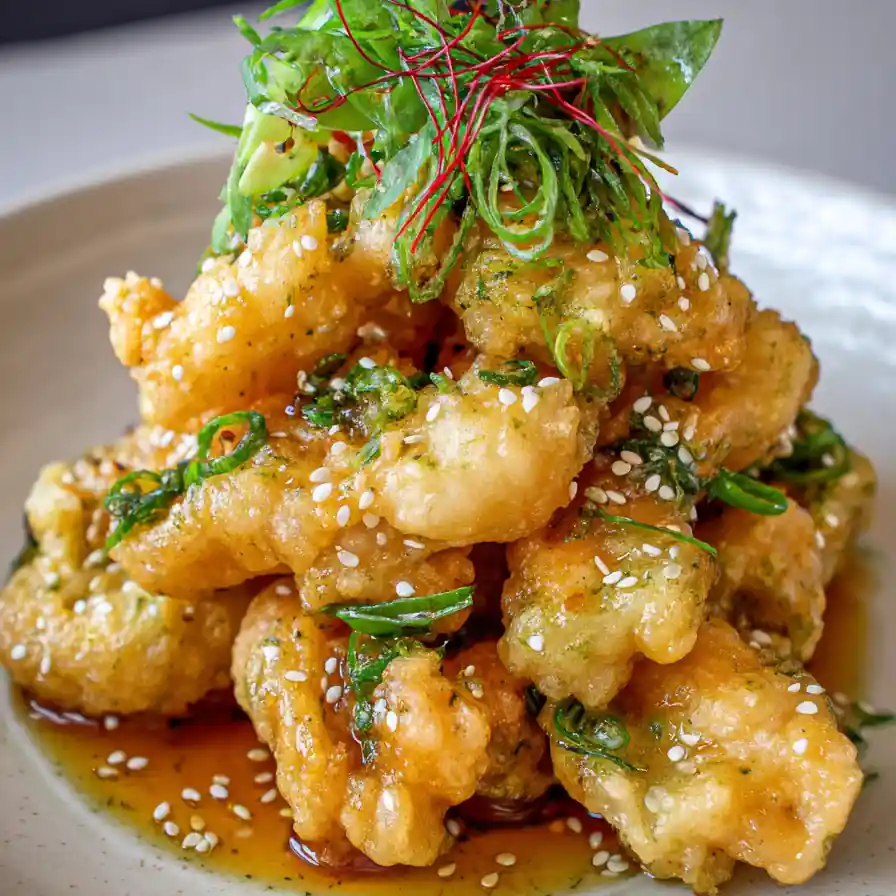
What You’ll Need: The Ingredient List
- Chicken Thigh (400g / 14oz): We use boneless, skinless chicken thigh meat cut into 2.5cm (1in) bite-sized pieces. Thigh meat remains incredibly tender and juicy even when fried, unlike breast meat which can dry out.
- Cake Flour (60g / 1/2 cup): Cake flour, with its lower protein content, is crucial for achieving a light and airy tempura batter. It prevents excessive gluten development, resulting in a delicate, crispy coating.
- Cornstarch (30g / 1/4 cup): Cornstarch adds extra crispness to the batter and helps create a beautiful golden-brown color. It also contributes to the light texture.
- Baking Powder (5g / 1 tsp): A touch of baking powder introduces tiny air bubbles into the batter, further enhancing its lightness and creating a more delicate texture.
- Fine Sea Salt (2g / 1/2 tsp): Seasoning the batter is essential! Fine sea salt dissolves easily and evenly distributes flavor throughout the tempura.
- White Pepper (1g / 1/4 tsp): White pepper offers a subtle heat and a clean flavor that complements the other ingredients without overpowering them.
- Culinary-Grade Matcha Powder (2g / 1/2 tsp): This isn’t just for flavor! Matcha adds a beautiful, subtle green hue to the batter, making your tempura visually appealing. Use culinary-grade matcha for the best flavor and color.
- Ice-Cold Sparkling Water (150ml / 2/3 cup): The key to a light batter is keeping everything cold! Sparkling water provides carbonation, which creates air pockets and contributes to the crispiness. Ensure it’s thoroughly chilled.
- Large Egg (1): Lightly beaten, the egg binds the batter together. It also adds a subtle richness and helps the coating adhere to the chicken.
- Rice Vinegar (30ml / 2 tbsp): A splash of rice vinegar in the marinade and batter adds a subtle tang and helps tenderize the chicken, contributing to a crisper final product.
- Vegetable Oil (1.5L / 6 cups): You’ll need a generous amount of oil for deep-frying. Canola oil is a good choice due to its neutral flavor and high smoke point.
- Low-Sodium Soy Sauce (60ml / 1/4 cup): The base of our dipping sauce, low-sodium soy sauce provides umami and a savory flavor.
- Sweet Rice Vinegar (15ml / 1 tbsp) + Granulated Sugar (5g / 1 tsp): This combination mimics the flavor of mirin, a sweet rice wine often used in Japanese cuisine.
- Yuzu Juice or Fresh Lemon Juice (15ml / 1 tbsp): Yuzu juice adds a bright, citrusy aroma and flavor to the dipping sauce. If yuzu isn’t available, fresh lemon juice is a good substitute.
- Toasted Sesame Oil (5ml / 1 tsp): A small amount of toasted sesame oil adds a nutty aroma and depth of flavor to the dipping sauce.
- Freshly Grated Ginger (5g / 1 tsp): Fresh ginger provides a warm, spicy kick to the dipping sauce, balancing the sweetness and saltiness.
- Toasted Sesame Seeds (1 tbsp / 6g): For garnish, toasted sesame seeds add a nutty flavor and a delightful textural contrast.
- Green Onions (2): Thinly sliced green onions (both green and white parts) provide a fresh, vibrant garnish.
- Shiso Leaves (2): Torn shiso leaves (or micro cilantro) offer a unique, herbaceous flavor and a beautiful visual element.
- Matcha Powder or Dried Chili Flakes (pinch): A final dusting of matcha powder or chili flakes adds a touch of color and subtle flavor.
Ingredient Substitutions
Don’t have everything on hand? Here are a few simple substitutions:
- Cake Flour: If you can’t find cake flour, you can make a substitute by measuring out 1 cup of all-purpose flour, removing 2 tablespoons, and replacing them with 2 tablespoons of cornstarch.
- Mirin: As mentioned, the sweet rice vinegar and sugar combination works well as a mirin substitute.
- Yuzu Juice: Lemon juice is a readily available and effective substitute for yuzu juice.
- Shiso Leaves: Micro cilantro provides a similar fresh, herbaceous flavor if shiso leaves are unavailable.
Step-by-Step Instructions for Perfect Chicken Tempura
- Prepare the Chicken: Begin by patting the chicken thigh pieces completely dry with paper towels. This is crucial for achieving a crispy coating, as excess moisture will hinder the batter’s ability to adhere and crisp up. Season generously with fine sea salt, white pepper, and a light drizzle of rice vinegar. The vinegar tenderizes the chicken and contributes to the final crispness. Allow the chicken to sit for 10 minutes; this allows the surface to dry further.
- Make the Tempura Batter: In a large bowl, lightly whisk the egg. Gradually add the ice-cold sparkling water, stirring gently to combine. This is where the magic happens! Slowly fold in the cake flour, cornstarch, baking powder, and matcha powder. Do not overmix! The batter should remain lumpy. Overmixing develops gluten, resulting in a tough, rather than light and airy, tempura. The lumps are your friend – they create air pockets that contribute to the signature crispness. Keep the batter as cold as possible throughout the process.
- Heat the Oil: Pour the vegetable oil into a deep-fat fryer or a heavy-bottomed pot. Heat the oil to 170°C (340°F). Maintaining the correct oil temperature is paramount. Use a thermometer to ensure accuracy. If the oil is too cool, the tempura will be greasy. If it’s too hot, the batter will burn before the chicken cooks through. Aim to keep the temperature between 165–175°C (330–347°F) throughout the frying process.
- Fry the Chicken: Working in batches (do not overcrowd the pot!), dip each chicken piece into the tempura batter, ensuring it’s fully coated. Allow any excess batter to drip back into the bowl before carefully lowering the chicken into the hot oil. Fry for 2–3 minutes, or until the coating is a pale golden color and the chicken is cooked through (internal temperature of 74°C / 165°F).
- Drain and Rest: Using a slotted spoon, carefully remove the fried chicken from the oil and transfer it to a wire rack set over a baking sheet. This allows excess oil to drain, preventing a greasy final product. Let the tempura rest for 2 minutes before serving. This resting period allows the crust to set and maintain its crunch.
- Prepare the Dipping Sauce: While the tempura is draining, prepare the dipping sauce. In a small saucepan, combine the low-sodium soy sauce, sweet rice vinegar (or mirin substitute), granulated sugar, yuzu juice (or lemon juice), toasted sesame oil, and freshly grated ginger. Warm the mixture over low heat for about 1 minute, just until the sugar dissolves. Do not boil!
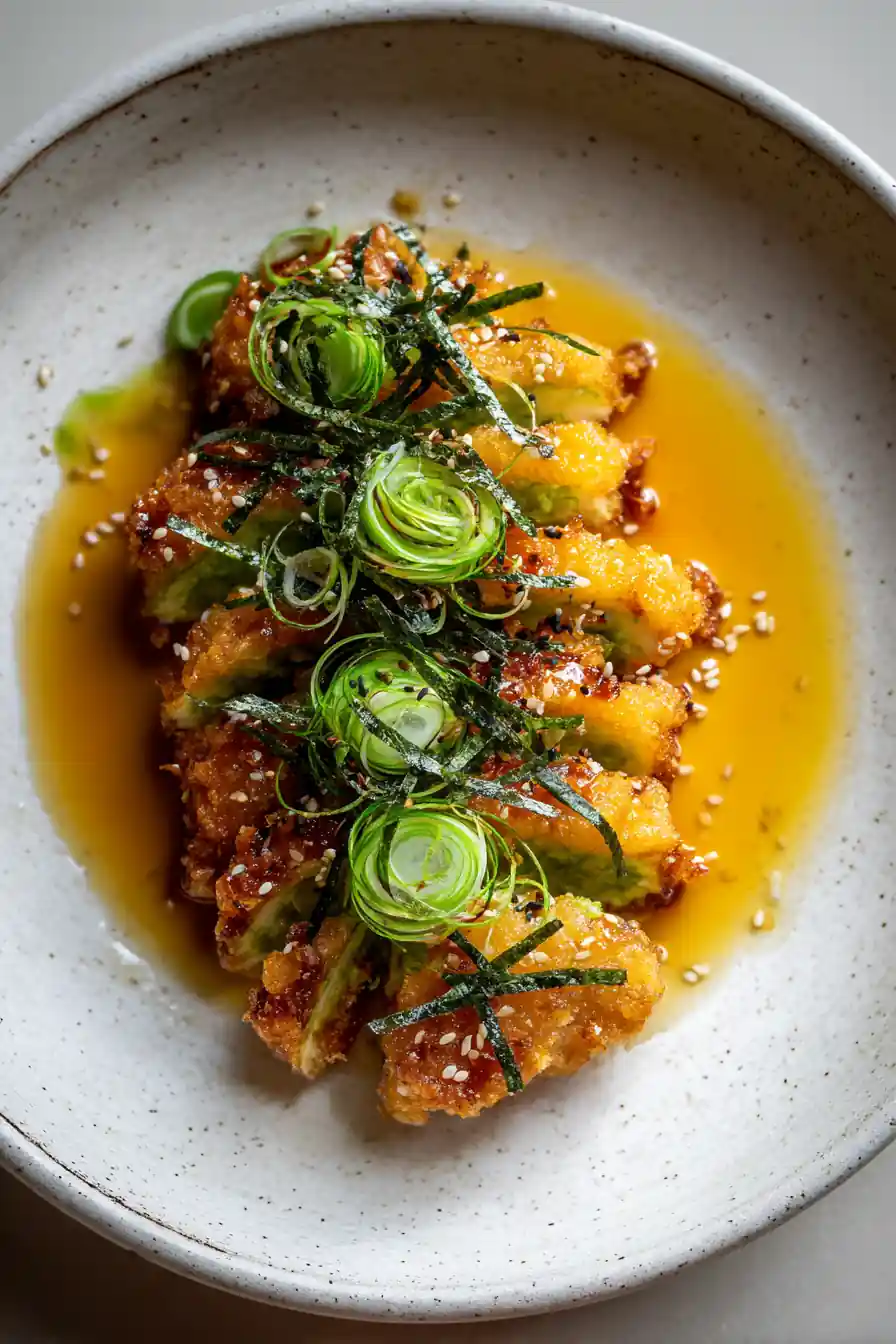
- Plate and Garnish: Arrange the chicken tempura on a white matte porcelain plate in a visually appealing manner – a fan shape works well. Drizzle the warm dipping sauce in a thin zig-zag pattern across the plate. Sprinkle with toasted sesame seeds and sliced green onions. Garnish with torn shiso leaves (or micro cilantro) for a pop of freshness and color. Finish with a light dusting of matcha powder or dried chili flakes for a final touch.
The Science of Lightness: Why This Tempura Works
The key to truly light and crispy tempura lies in a few crucial techniques. Using cake flour, which has a lower protein content than all-purpose flour, minimizes gluten development. Gluten creates a chewy texture, which is the opposite of what we want in tempura. The addition of cornstarch further inhibits gluten formation and contributes to a delicate, crispy crust. The ice-cold sparkling water is also vital. The carbonation creates tiny bubbles within the batter, resulting in a lighter, airier texture. Finally, maintaining the correct oil temperature ensures that the batter cooks quickly and crisps up beautifully without absorbing too much oil.
Choosing the Right Oil for Deep Frying
The type of oil you use significantly impacts the flavor and texture of your tempura. Vegetable oils with a high smoke point and neutral flavor are ideal. Canola oil is a great option, as is sunflower oil or peanut oil. Avoid using olive oil, as its lower smoke point and distinct flavor will negatively affect the final result. Ensure the oil is fresh and clean for the best flavor.
Mastering the Batter Consistency
The tempura batter should be noticeably lumpy. Resist the urge to stir it until smooth! Those lumps are essential for creating a light and airy crust. If the batter seems too thick, add a tiny splash more ice-cold sparkling water, but be careful not to overdo it. The batter should coat the chicken easily but not be overly runny. Keep the batter chilled throughout the process – a bowl placed inside a larger bowl filled with ice water is a helpful trick.
Serving Suggestions & Accompaniments
While this chicken tempura is delicious on its own, it pairs beautifully with other Japanese side dishes. Consider serving it with a side of steamed rice, a refreshing cucumber salad (sunomono), or a small bowl of miso soup. For a more substantial meal, add some vegetable tempura, such as sweet potato, eggplant, or green beans.
Frequently Asked Questions (FAQ)
- Can I use all-purpose flour instead of cake flour? While you can, the tempura won’t be as light and crispy. If you must substitute, try mixing all-purpose flour with a little cornstarch.
- Can I make the batter ahead of time? No, the batter is best used immediately. The carbonation from the sparkling water will dissipate over time, resulting in a less airy texture.
- What if I don’t have yuzu juice? Lemon juice is a perfectly acceptable substitute.
Enjoy this light and crispy Japanese Chicken Tempura! It’s a delightful dish that’s sure to impress. Don’t forget to save this recipe to Pinterest for later!
Print
Light & Crispy Japanese Chicken Tempura
- Total Time: 35 minutes
- Yield: 4 servings 1x
- Diet: General
Description
Enjoy light and crispy Japanese chicken tempura, a classic dish made with a delicate batter and flavorful dipping sauce. This recipe guides you through each step for a restaurant-quality experience at home.
Ingredients
- 400g (14oz) Chicken Thigh: Cut into 2.5cm (1in) pieces
- 60g (1/2 cup) Cake Flour
- 30g (1/4 cup) Cornstarch
- 5g (1 tsp) Baking Powder
- 2g (1/2 tsp) Fine Sea Salt
- 1g (1/4 tsp) White Pepper
- 2g (1/2 tsp) Matcha Powder
- 150ml (2/3 cup) Ice-Cold Sparkling Water
- 1 Large Egg: Lightly beaten
- 30ml (2 tbsp) Rice Vinegar
- 1.5L (6 cups) Vegetable Oil
- 60ml (1/4 cup) Low-Sodium Soy Sauce
- 15ml (1 tbsp) Sweet Rice Vinegar
- 5g (1 tsp) Granulated Sugar
- 15ml (1 tbsp) Yuzu Juice or Lemon Juice
- 5ml (1 tsp) Toasted Sesame Oil
- 5g (1 tsp) Freshly Grated Ginger
- 6g (1 tbsp) Toasted Sesame Seeds
- 2 Green Onions: Thinly sliced
- 2 Shiso Leaves: Torn (or micro cilantro)
- Pinch Matcha Powder or Dried Chili Flakes
Instructions
- Prepare Chicken: Dry chicken, season with salt, pepper, and vinegar; marinate for 10 minutes.
- Make Batter: Whisk egg, add sparkling water, then gently fold in flour, cornstarch, baking powder, and matcha. Do not overmix.
- Heat Oil: Heat oil to 170°C (340°F). Maintain temperature throughout frying.
- Fry Chicken: Dip chicken in batter, fry in batches for 2-3 minutes until golden and cooked through.
- Drain & Rest: Drain on a wire rack for 2 minutes.
- Make Sauce: Combine soy sauce, vinegar, sugar, juice, sesame oil, and ginger; warm gently.
- Plate & Garnish: Arrange tempura, drizzle with sauce, sprinkle with sesame seeds and green onions, garnish with shiso.
Notes
For extra crispiness, ensure the chicken is thoroughly dry before dipping in batter. Don’t overmix the batter – lumps are key for a light texture. Maintain oil temperature for optimal results.
- Prep Time: 20 minutes
- Cook Time: 15 minutes
- Category: Main Course
- Method: Deep Frying
- Cuisine: Japanese
Nutrition
- Serving Size: 150g
- Calories: 450 kcal
- Sugar: 10 g
- Sodium: 500 mg
- Fat: 25 g
- Saturated Fat: 5 g
- Unsaturated Fat: 15 g
- Trans Fat: 0 g
- Carbohydrates: 30 g
- Fiber: 2 g
- Protein: 25 g
- Cholesterol: 100 mg