
I’ve found that one of the most satisfying things to bake is a hearty loaf of artisan bread right at home.
The aroma of freshly baked bread, especially this particular gluten free artisan bread recipe, fills my kitchen with such comfort. This specific gluten free artisan bread recipe is perfect for dipping in olive oil, serving alongside soup, or building the ultimate sandwich.
This simple no-knead method creates a loaf with a beautifully crusty exterior and a soft, flavorful crumb. We’re infusing it with deeply roasted garlic and fragrant fresh rosemary for a truly special loaf that elevates any family dinner. Follow these steps for a foolproof loaf using a Dutch oven that rivals bakery quality.
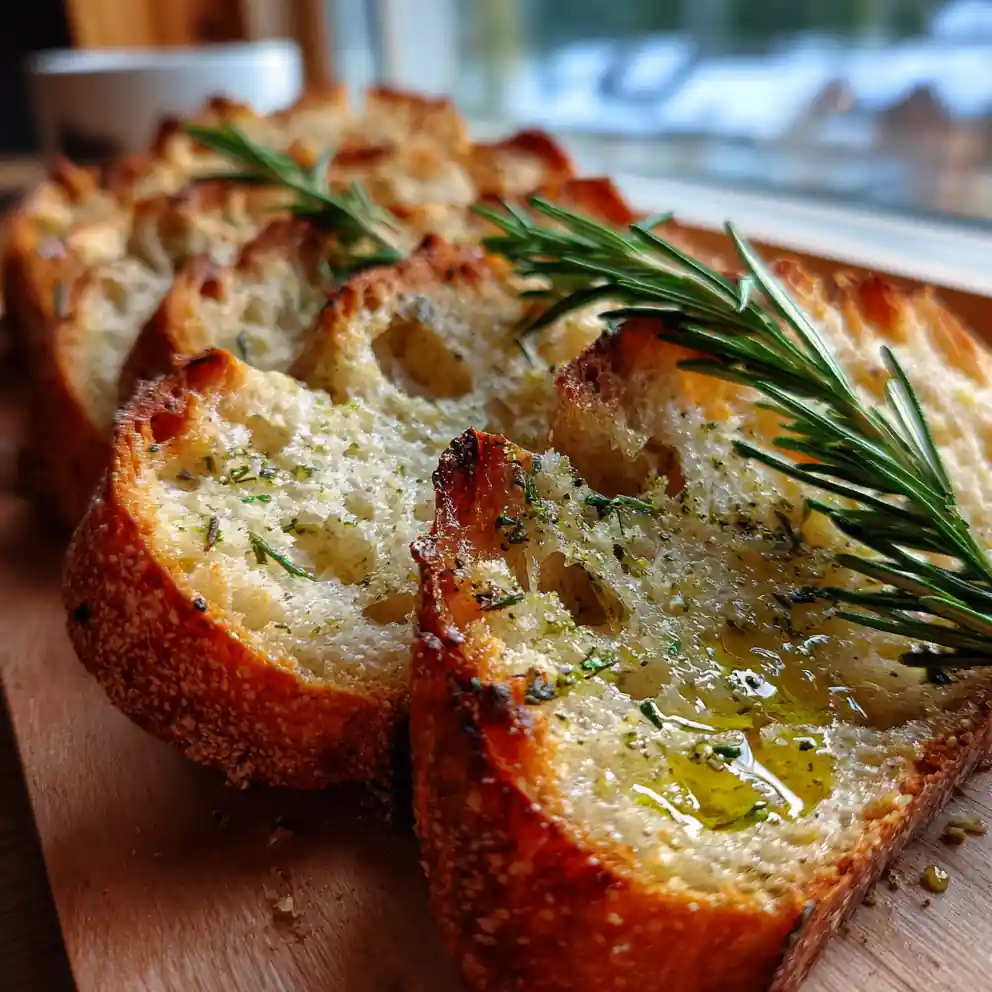
Ingredients
- 1 whole head garlic, cloves separated and peeled
Roasting the garlic mellows its sharpness and creates a sweet, savory base for the bread. The cloves should be peeled before roasting to make mashing easier later. - 15 ml (1 tablespoon) extra virgin olive oil, plus more for dough and drizzling
The oil adds richness to the dough and is necessary for roasting the garlic. Choose a high-quality olive oil for the finishing drizzle to enhance the flavor. - 300 g (2 cups) gluten-free all-purpose flour blend (containing xanthan gum)
Ensure your blend contains xanthan gum, as this acts as the crucial binder for structure. If your blend doesn’t have xanthan gum, you must add it separately as directed on the packaging (typically 1 tsp per cup of flour blend). - 5 g (1 ½ teaspoons) instant dry yeast
Instant yeast allows you to mix it directly into the dry ingredients without pre-activating. Always ensure your yeast is fresh by checking the expiration date on the package, or try a small test to ensure it’s active. - 5 g (1 teaspoon) fine sea salt
Salt balances the flavor and controls the yeast’s activity; avoid coarse salt. - 2 g (½ teaspoon) granulated sugar
A small amount of sugar acts as food for the yeast to facilitate rising and proofing. - 360 ml (1 ½ cups) warm water (105-115°F / 40-46°C)
The temperature must be precise; use a thermometer to avoid killing the yeast (too hot) or preventing activation (too cold). Warm water helps to activate the yeast quickly and hydrate the gluten-free flour blend effectively. - 15 g (3 tablespoons) fresh rosemary, finely chopped
Fresh rosemary provides a vibrant, aromatic flavor that pairs beautifully with the roasted garlic. Avoid substituting dried rosemary, as the flavor profile and texture are significantly different.
Instructions
- Roast the Garlic
Preheat oven to 400°F (200°C). Toss the peeled garlic cloves with 15 ml (1 tablespoon) of olive oil and a pinch of salt on a small baking sheet. Roast for 15-20 minutes, or until the cloves are deeply tender and slightly caramelized, then remove from the oven. Let cool slightly, then mash roughly with a fork and set aside to cool completely. - Combine Dry Ingredients
In a large mixing bowl, whisk together the gluten-free all-purpose flour blend, instant dry yeast, fine sea salt, and granulated sugar. Make sure the ingredients are evenly distributed, as this ensures consistent activation of the yeast and flavor throughout the bread. - Mix the Wet Dough
Add the warm water and 30 ml (2 tablespoons) of extra virgin olive oil to the dry ingredients. Stir with a wooden spoon or spatula until a shaggy, very wet dough forms; gluten-free dough will look different from traditional dough. Avoid overmixing, as there is no gluten to develop; simply combine until no dry streaks remain. - Fold in Flavor
Gently fold in the mashed roasted garlic and finely chopped fresh rosemary until evenly distributed throughout the dough. The goal is to incorporate the flavor without overly handling the dough and deflating the air bubbles that have started to form. The garlic will create visible dark specks throughout the dough, infusing every slice with savory flavor. - First Proof (Long Fermentation)
Cover the bowl tightly with plastic wrap or a damp kitchen towel. Let the dough proof at room temperature (ideally 68-75°F / 20-24°C) for 12-18 hours, or until it has noticeably risen and is bubbly on the surface. This extended proofing time (known as the no-knead method) is essential for developing flavor and structure in this specific gluten free artisan bread recipe. I usually start this process in the evening and let it sit overnight on the kitchen counter for baking in the morning. - Shape the Dough
Once proofed, lightly flour a clean work surface with additional gluten-free flour. Gently scrape the dough onto the floured surface. Fold the edges of the dough towards the center a few times to create a rustic, round shape for this gluten free artisan bread recipe. Do not knead aggressively; handle gently to preserve the air pockets created during proofing. Place the shaped dough onto a piece of parchment paper. If the dough seems too sticky to handle, try adding a light dusting of gluten-free flour to your hands, but avoid adding too much extra flour. - Final Proof and Preheat
Cover the dough loosely with a damp kitchen towel and let it rest for a final proof for 30-45 minutes while you prepare the oven. Place a large Dutch oven (with its lid) into the cold oven. Preheat the oven to 450°F (230°C) for at least 30 minutes, ensuring the Dutch oven is very hot. - Bake (Lid On)
Carefully remove the hot Dutch oven from the oven. Using the parchment paper, gently lift and transfer the dough into the hot Dutch oven. Cover with the lid and bake for 30 minutes; the lid traps steam, which prevents the crust from hardening too fast and allows for maximum oven spring. - Bake (Lid Off) and Cool
Remove the lid and continue baking for an additional 15-20 minutes, or until the crust is a deep golden brown and sounds hollow when tapped. Carefully remove the bread from the Dutch oven and transfer it to a wire rack to cool completely for at least 1-2 hours before slicing. This cooling period is crucial for the internal structure of gluten free artisan bread to set properly; slicing while hot will result in a gummy texture.
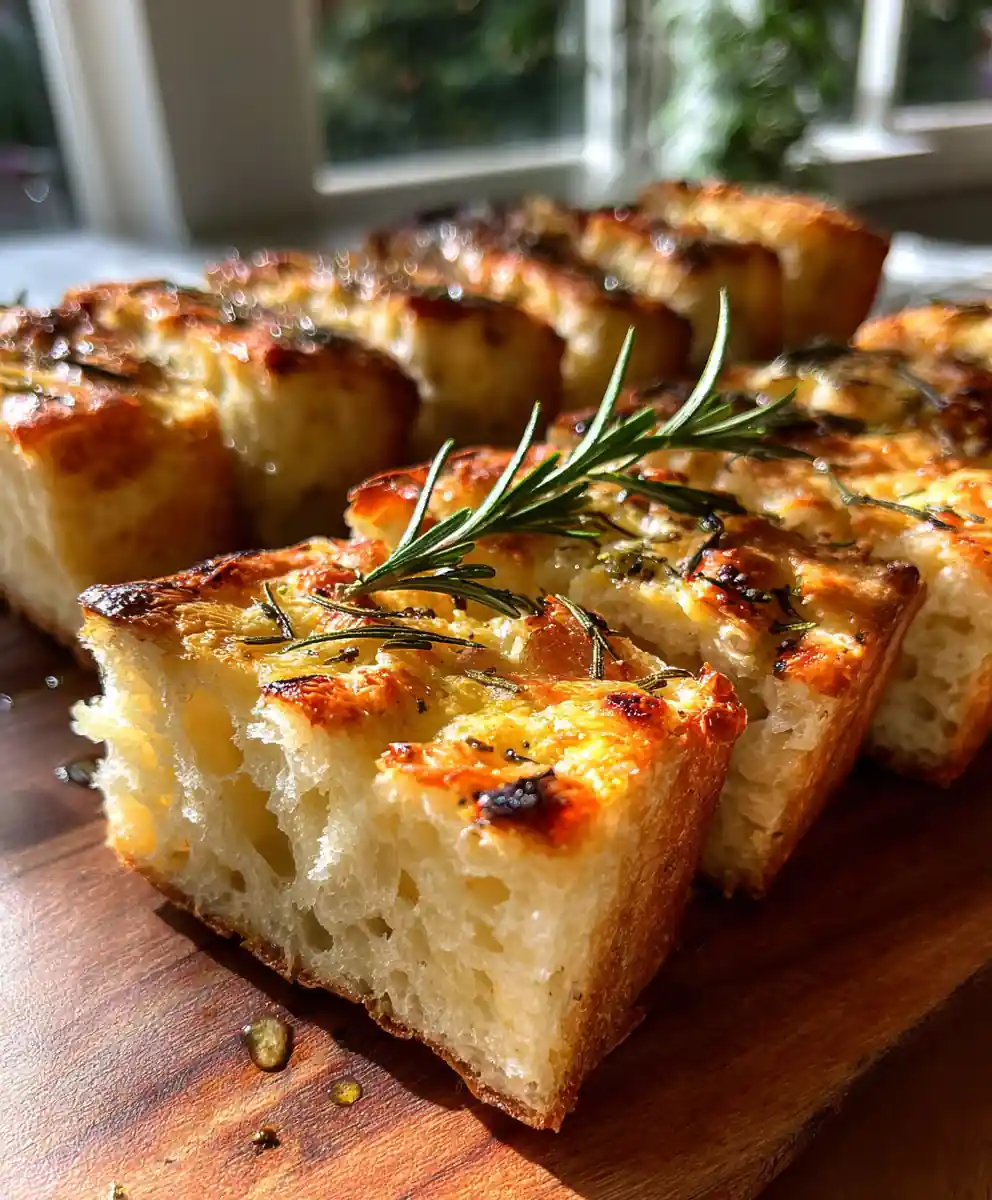
Troubleshooting Your Gluten-Free Artisan Bread
When you’re first learning to bake with a gluten-free flour blend, some things can look a little different than traditional bread making. Here are solutions to the most common issues you might encounter when baking this gluten free artisan bread recipe.
Problem: The dough won’t rise or doesn’t bubble during the long proofing period.
Check your water temperature; too hot (over 115°F / 46°C) will kill the yeast, and too cold (under 105°F / 40°C) will slow it down too much. Also, confirm your instant dry yeast is fresh and active before mixing, as old yeast won’t activate properly.
Problem: The bread has a gummy or dense center after baking.
This common issue is often caused by slicing the bread too early. You MUST let gluten-free bread cool completely for 1–2 hours before cutting into it, or the internal structure will not set properly. Patience is key for this gluten free artisan bread.
Problem: The crust isn’t crisp and hard.
Ensure your Dutch oven was preheated thoroughly at 450°F (230°C) for at least 30 minutes before placing the dough inside; the initial high heat and steam are critical for crust formation.
FAQs about This Gluten Free Artisan Bread Recipe
Why does this recipe require a 12-hour proof?
The long, no-knead method allows the gluten-free flours to properly hydrate and develops complex flavors that mimic traditional artisan bread. This extended fermentation process is essential for creating a stable structure and tender crumb without traditional gluten development. It’s a core feature of this gluten free artisan bread recipe.
Can I substitute dried herbs for fresh rosemary?
It is strongly recommended to use fresh rosemary in this recipe; dried herbs will not provide the same aromatic oil or texture. Fresh herbs are essential for infusing the bread with vibrant flavor during the baking process.
What if I don’t have a Dutch oven?
While a Dutch oven provides the best results for a crusty exterior, you can use a pizza stone or a preheated baking sheet. Cover the loaf with an inverted metal bowl for the first 30 minutes to trap steam, then remove the bowl for the last 15-20 minutes to crisp the crust.
How do I store leftover bread?
Once completely cooled, store the bread at room temperature in an airtight container for up to 3 days. To freeze, slice the cooled loaf and store in a freezer bag for up to 3 months. To reheat, toast individual slices or warm the loaf in a 350°F (175°C) oven for 10-15 minutes.
Can I add other ingredients to the dough?
Yes, you can experiment with additions like sun-dried tomatoes, black olives, or toasted walnuts. Fold them in gently at the same time as the garlic and rosemary. For a savory twist, I sometimes add a sprinkle of nutritional yeast for a cheesy flavor.
Conclusion
Making homemade artisan bread can seem intimidating, especially when baking gluten-free, but this recipe makes it simple and foolproof for family dinners. The combination of roasted garlic and fresh rosemary creates an incredibly savory loaf perfect for a healthy eating lifestyle. Save this gluten free artisan bread recipe to your Pinterest board for quick access to delicious family-friendly baking.
Print
gluten free artisan bread recipe
- Total Time: 80 minutes
- Yield: 1 loaf 1x
- Diet: Gluten-Free, Vegetarian
Description
This gluten-free artisan bread uses a simple no-knead method to create a loaf with a beautifully crusty exterior and a soft, flavorful crumb. Infused with deeply roasted garlic and fragrant fresh rosemary, it’s perfect for dipping in olive oil or making sandwiches.
Ingredients
- 1 head garlic, peeled
- 3 tablespoons extra virgin olive oil, plus more for drizzling
- 2 cups (300g) gluten-free all-purpose flour blend (containing xanthan gum)
- 1.5 teaspoons instant dry yeast
- 1 teaspoon fine sea salt
- 0.5 teaspoon granulated sugar
- 1.5 cups (360ml) warm water (105-115°F)
- 3 tablespoons fresh rosemary, finely chopped
Instructions
- Roast the Garlic: Preheat the oven to 400°F (200°C). Toss peeled garlic cloves with 1 tablespoon of olive oil and a pinch of salt. Roast for 15-20 minutes, or until tender and lightly caramelized. Mash roughly with a fork and set aside to cool completely.
- Combine Dry Ingredients: In a large mixing bowl, whisk together the gluten-free flour blend, instant dry yeast, salt, and sugar.
- Mix the Dough: Add the warm water and 2 tablespoons of extra virgin olive oil to the dry ingredients. Stir until a wet, shaggy dough forms, ensuring no dry streaks remain.
- Add Flavorings: Gently fold in the cooled, mashed roasted garlic and chopped fresh rosemary until evenly distributed.
- First Proof: Cover the bowl and let the dough rise at room temperature for 12-18 hours, or until bubbly and noticeably risen.
- Shape the Dough: Lightly flour a work surface and scrape the dough onto it. Gently fold the edges of the dough toward the center several times to form a round shape. Place the shaped dough on a piece of parchment paper.
- Final Proof and Preheat: Cover the dough and let rest for 30-45 minutes. Simultaneously, place a Dutch oven with its lid into the cold oven. Preheat the oven to 450°F (230°C) and let it heat for at least 30 minutes, ensuring the Dutch oven is very hot.
- Bake (Covered): Carefully transfer the dough in the parchment paper into the hot Dutch oven. Cover with the lid and bake for 30 minutes.
- Bake (Uncovered) and Cool: Remove the lid and continue baking for another 15-20 minutes, or until the crust is deep golden brown. Transfer the bread to a wire rack to cool completely for 1-2 hours before slicing.
Notes
Allow the bread to cool completely for 1-2 hours on a wire rack before slicing; slicing while hot results in a gummy texture. Ensure yeast is fresh and water temperature is precise (105-115°F) for proper rising.
- Prep Time: 30 minutes
- Cook Time: 50 minutes
- Category: Bread
- Method: Baking
- Cuisine: General
Nutrition
- Serving Size: 1 slice (1/12th loaf)
- Calories: 105 kcal
- Sugar: 0.5 g
- Sodium: 190 mg
- Fat: 3.5 g
- Saturated Fat: 0.5 g
- Unsaturated Fat: 3.0 g
- Trans Fat: 0 g
- Carbohydrates: 22 g
- Fiber: 2 g
- Protein: 2 g
- Cholesterol: 0 mg
FREE PRINTABLE RECIPE
Get the Printable Recipe PDF (Free)
Enter your email and we’ll send you the ingredients + step-by-step instructions as a clean PDF you can save to your phone.
- ✅ Printable PDF (ingredients + steps)
- ✅ Save it to your phone (no long scrolling)
- ✅ Includes cook time + servings
- ✅ Easy to follow
FAQ
Where’s the full recipe?
It’s delivered as a printable PDF so you can save it and cook without scrolling.
I didn’t get the email.
Check Spam/Promotions and search your inbox for your site name. Then click Confirm to receive the PDF.