
I find that there’s nothing more comforting than a deeply savory curry on a cold evening. This Gochujang Beef Curry offers the hearty texture and rich flavor you might expect from a traditional japanese curry cubes recipe, but we’re creating that luxurious thickness from scratch using a homemade roux.
This method allows for full control over the ingredients, resulting in a fresher, richer sauce that bypasses the additives sometimes found in store-bought cubes. This is a family-friendly favorite that’s great for meal prep and satisfying everyone at the table. The gochujang adds a hint of sweet heat and savory complexity that elevates traditional Japanese curry to a whole new level of deliciousness, creating a truly memorable meal.
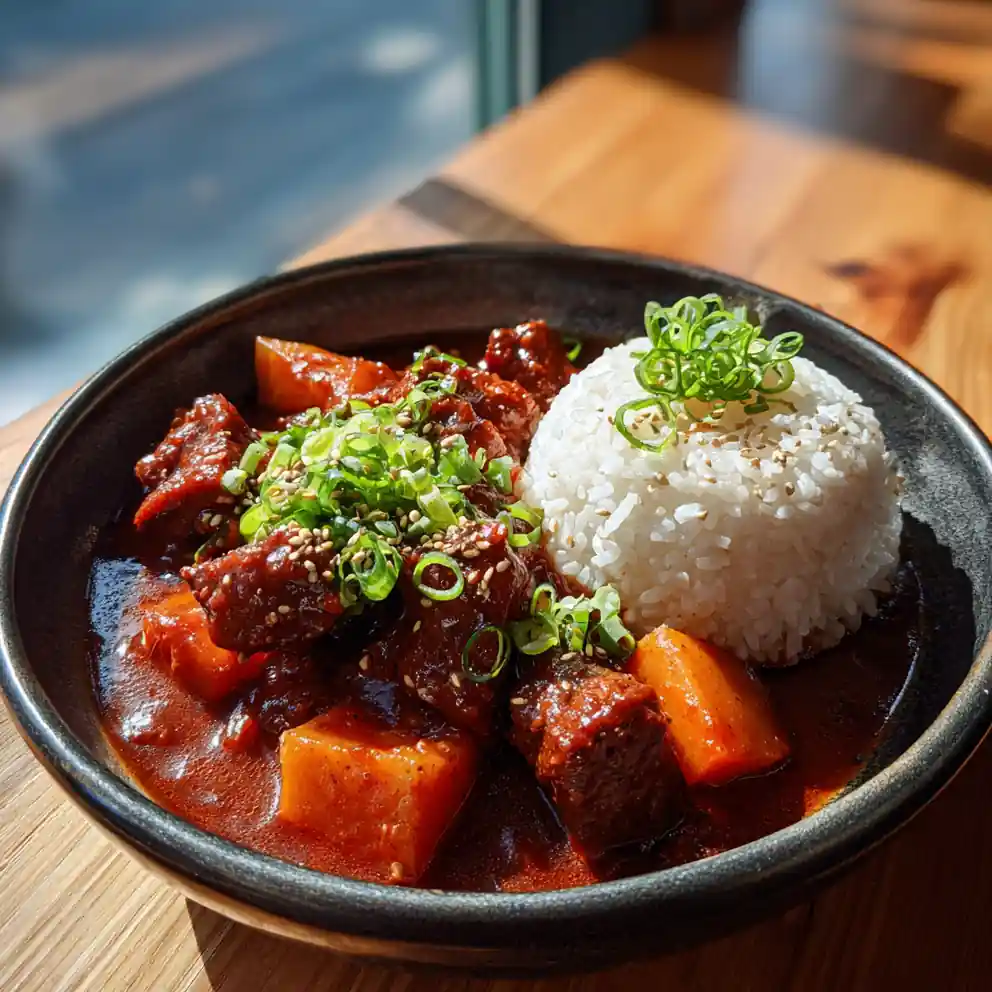
Ingredients
- 30 ml (2 tablespoons) vegetable oil: Use a neutral cooking oil like canola or sunflower oil for high-heat searing. This ensures the beef achieves a deep, flavorful crust.
- 500 g (1.1 lb) halal beef stew meat: Choose cuts like chuck roast or shoulder, which are perfect for slow simmering and become fork-tender. Ensure the beef is cut into uniform 3 cm (1.2 inch) cubes for even cooking.
- 1 large yellow onion, roughly chopped: The onion forms the sweet base of the sauce and adds essential aromatic flavor. Roughly chopped pieces melt down during the long simmer, naturally thickening the sauce.
- 2 medium carrots, peeled and cut into 2 cm (0.8 inch) pieces: Carrots add a touch of sweetness and vibrant color to the curry. Cut them slightly smaller than the potatoes to ensure they cook through at the same time.
- 2 medium potatoes, peeled and cut into 2.5 cm (1 inch) cubes: Potatoes provide a hearty base and absorb the rich flavors of the sauce. Use starchy potatoes like Russets for a classic, comforting texture that softens nicely.
- 2 cloves garlic, minced: Provides a sharp, aromatic counterpoint to the sweetness of the carrots and honey. Mince fresh garlic for a better flavor.
- 15 g (1 tablespoon) grated fresh ginger: Adds a warm, pungent flavor that is characteristic of Asian curries. Use a microplane or fine grater to incorporate the ginger smoothly into the sauce.
- 40 g (3 tablespoons) unsalted butter (from halal-certified dairy or vegetable-based): The butter is combined with flour to create a rich roux base for the curry sauce. Ensure the butter is fully melted before adding the flour to create a smooth roux.
- 40 g (1/4 cup) all-purpose flour: This is the thickening agent that replaces the traditional japanese curry cubes recipe base, creating a silky sauce. Cooking the flour with butter (roux) eliminates the raw flour taste before adding liquid.
- 20 g (2 tablespoons) Japanese curry powder: The core seasoning for the authentic japanese curry cubes recipe flavor profile, a blend of spices like coriander, cumin, and fenugreek. Look for brands specifically labeled Japanese curry powder for the right taste profile.
- 5 ml (1 teaspoon) turmeric powder: Adds a bright golden color and earthy notes to the curry sauce. Turmeric also enhances the overall flavor complexity of the dish.
- 720 ml (3 cups) halal beef broth or vegetable broth: The liquid base for the stew; choose a high-quality broth for maximum flavor. Warm broth before adding to the roux to prevent lumps from forming.
- 45 ml (3 tablespoons) alcohol-free soy sauce: Adds savory umami depth to the sauce without the sharp saltiness of regular salt alone. Use an alcohol-free variety for a clean flavor profile suitable for a halal diet.
- 30 ml (2 tablespoons) honey or brown sugar: Balances the savory elements and heat from the gochujang and curry powder. Adjust to taste based on your preferred level of sweetness.
- 60 g (1/4 cup) gochujang (Korean chili paste): The secret ingredient providing a unique savory, sweet, and moderately spicy kick. Gochujang adds a complex depth not found in traditional Japanese cubes.
- 10 ml (2 teaspoons) toasted sesame oil, plus extra for drizzling: Used for finishing the dish, adding a fragrant and nutty aroma. Toasted sesame oil should be added at the end, as heat can diminish its flavor.
- Steamed short-grain rice, for serving: Short-grain rice, like sushi rice, is preferred for its sticky texture, which pairs well with the thick curry sauce.
- 15 ml (1 tablespoon) toasted sesame seeds, for garnish: Provides visual appeal and a crunchy texture contrast to the soft beef and vegetables.
- 2 green onions (scallions), thinly sliced, for garnish: Adds a fresh, sharp bite and vibrant green color at the end. Slice thinly on a bias for a professional presentation.
Instructions
- Sear the Beef: Heat the vegetable oil in a large heavy-bottomed pot or Dutch oven over medium-high heat. Pat the beef cubes dry with paper towels; this is essential for achieving a deep brown crust. Sear the beef in batches until deeply browned on all sides, about 3-4 minutes per batch, then remove seared beef and set aside.
- Sauté Aromatics and Vegetables: Add the chopped onion to the pot, reducing heat to medium, and sauté until softened and translucent, about 5-7 minutes. Add carrots and potatoes, cooking for another 5 minutes while stirring occasionally. Stir in minced garlic and grated ginger, cooking for 1 minute until fragrant.
- Build the Roux Base: Push vegetables to one side of the pot and add butter to the cleared space, letting it melt. Sprinkle all-purpose flour over the melted butter and cook, stirring constantly, for 2 minutes to cook out the raw flour taste and create a roux. This method avoids store-bought japanese curry cubes recipe and creates a silky, thick texture from scratch. Gradually whisk the curry powder and turmeric powder into the roux, cooking for another minute until fragrant.
- Simmer the Curry: Slowly pour in the beef or vegetable broth while whisking constantly to prevent lumps from forming in the roux. Stir in the alcohol-free soy sauce, honey or brown sugar, gochujang, and the seared beef cubes. Bring the mixture to a gentle simmer, reduce heat to low, cover the pot, and simmer for 60-90 minutes. If the sauce seems too thick during simmering, add a splash of extra broth or water to reach the desired consistency. I always set a timer for 60 minutes, then check the tenderness every 15 minutes, as a little extra time ensures the beef in this japanese curry cubes recipe is fork-tender.
- Finish and Serve: Continue simmering until the beef is very tender and the sauce has thickened; stir occasionally to prevent sticking. Stir in 10 ml (2 teaspoons) toasted sesame oil and taste to adjust seasoning with salt, pepper, or more sugar if necessary. The gochujang twist makes this japanese curry cubes recipe unique. Ladle generously over steamed short-grain rice and garnish with toasted sesame seeds and sliced green onions.
FAQs
What is the benefit of making this japanese curry cubes recipe without actual cubes?
The main advantage of creating your own japanese curry cubes recipe at home is having total control over the ingredients. Store-bought cubes often contain high sodium, hydrogenated oils, and artificial colorings. By building the roux from scratch, you ensure a fresh, rich, and more natural flavor profile for a healthier family meal. I personally prefer this method because it creates a deeper flavor that develops overnight.
Can I make this Gochujang Beef Curry less spicy for kids?
Yes, absolutely. The heat in this recipe comes primarily from the gochujang. For a milder version, start by reducing the amount of gochujang by half, or omit it completely if you need a non-spicy dish for younger kids. The honey and curry powder still provide plenty of flavor depth even without the chili paste.
Can I use chicken or pork instead of beef in this recipe?
You can definitely substitute the beef stew meat with chicken thighs or firm tofu for a vegetarian option. Chicken thighs work well with a reduced simmer time of about 45-60 minutes, or until the chicken is tender. If using tofu, cube and sear the pieces before adding them, then reduce the simmer time significantly to prevent them from breaking apart.
What kind of rice pairs best with Japanese curry?
Short-grain rice, often labeled as sushi rice or Japanese short-grain rice, pairs best with this dish. Its sticky texture makes it ideal for scooping up the thick sauce. Brown rice or quinoa are also great high-protein alternatives for a healthier meal prep option.
How do I thicken the curry sauce if it’s too thin?
If your sauce is too thin after simmering, create a cornstarch slurry. Mix 1 tablespoon of cornstarch with 1 tablespoon of cold water, then pour the mixture into the simmering curry. Whisk constantly for 1-2 minutes, allowing the sauce to thicken before serving.
Is this recipe suitable for meal prepping?
This japanese curry cubes recipe is excellent for meal prep, as the flavors deepen overnight in the refrigerator. Store in airtight containers for up to 4 days in the fridge or freeze portions for up to 3 months. To reheat, thaw overnight if frozen and gently warm on the stovetop, adding a splash of broth if necessary to restore consistency.
How does gochujang change the flavor profile compared to traditional Japanese curry?
Gochujang (Korean chili paste) adds a unique savory, sweet, and moderately spicy element that significantly changes the flavor profile. Traditional Japanese curry cubes are typically milder and sweeter. The gochujang adds a complex depth and umami that elevates the dish beyond a standard japanese curry cubes recipe.
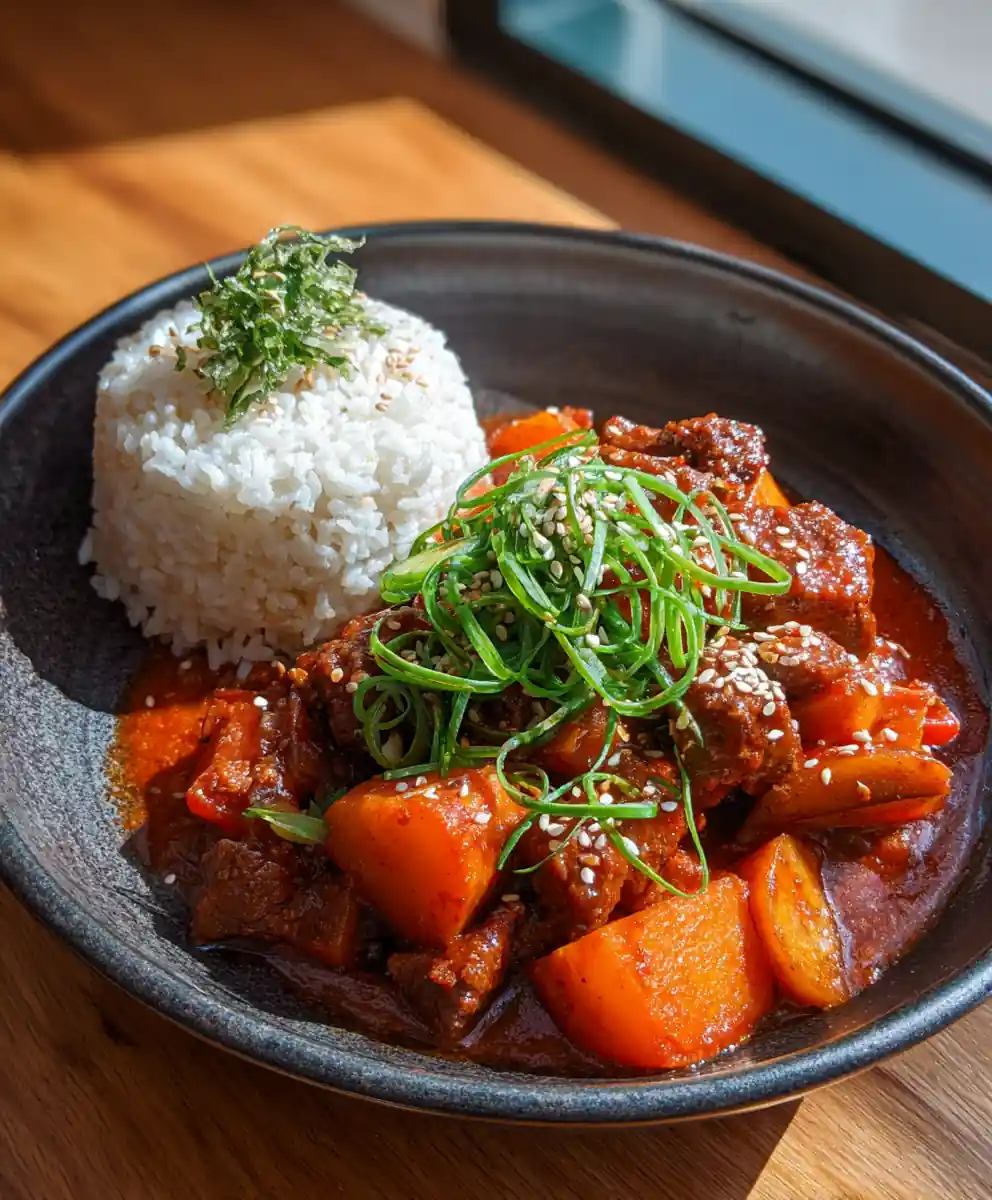
Customizing Your Homemade Japanese Curry
This homemade japanese curry cubes recipe is highly customizable. Here are some options:
- Protein Swaps: This recipe works well with other proteins. Try using cubed chicken thighs for a faster-cooking alternative (reduce simmer time to 45 minutes), or use firm tofu or chickpeas for a vegetarian-friendly option.
- Vegetable Additions: Feel free to add other root vegetables or hearty greens. Mushrooms (add with onions) or broccoli florets (add during the last 20 minutes of simmering) are excellent choices that soak up the curry flavor.
- Heat Adjustment: Control the spice level by adjusting the gochujang. For extra heat, add a pinch of cayenne pepper or red pepper flakes alongside the curry powder. For a milder version, omit the gochujang and increase the honey slightly for sweetness.
- Roux Variations: If you prefer a lighter sauce, you can reduce the amount of flour used in the roux. However, for a classic, thick Japanese curry, the given ratio of flour and butter is ideal for replicating the store-bought cube texture.
Make-Ahead Tips and Freezing Instructions
These make-ahead tips ensure this japanese curry cubes recipe is convenient for quick weeknight dinners.
- Refrigeration: This curry improves in flavor after sitting overnight in the refrigerator. Store in an airtight container for up to 3-4 days.
- Freezing: To freeze, ensure the curry has completely cooled, then transfer to a freezer-safe container. Freeze for up to 3 months. When reheating, thaw in the refrigerator overnight and gently warm on the stovetop, adding a splash of broth or water if needed to adjust consistency.
- Preparation Tips: You can prepare the vegetables (chopping onions, carrots, and potatoes) up to 2 days ahead of time and store them in the refrigerator to speed up the cooking process.
Conclusion
If you’ve been searching for a better japanese curry cubes recipe, this homemade version with gochujang is a game-changer for quick meals. Make this satisfying family dinner this weekend, and save the recipe to your Pinterest board for later.
Print
japanese curry cubes recipe
- Total Time: 110 minutes
- Yield: 4 servings 1x
- Diet: General
Description
A comforting Gochujang Beef Curry featuring fork-tender beef and vegetables in a rich sauce. This homemade recipe uses a scratch-made roux instead of traditional cubes, allowing for better ingredient control, while the gochujang adds a complex sweet heat to the classic Japanese flavor profile.
Ingredients
- 30 ml (2 tbsp) vegetable oil
- 500 g (1.1 lb) beef stew meat, cut into 3 cm cubes
- 1 large yellow onion, roughly chopped
- 2 medium carrots, cut into 2 cm pieces
- 2 medium potatoes, cut into 2.5 cm cubes
- 2 cloves garlic, minced
- 15 g (1 tbsp) grated fresh ginger
- 40 g (3 tbsp) unsalted butter
- 40 g (1/4 cup) all-purpose flour
- 20 g (2 tbsp) Japanese curry powder
- 5 ml (1 tsp) turmeric powder
- 720 ml (3 cups) beef broth
- 45 ml (3 tbsp) alcohol-free soy sauce
- 30 ml (2 tbsp) honey or brown sugar
- 60 g (1/4 cup) gochujang
- 10 ml (2 tsp) toasted sesame oil
- Steamed short-grain rice, for serving
- 15 ml (1 tbsp) toasted sesame seeds, for garnish
- 2 green onions (scallions), thinly sliced, for garnish
Instructions
- Sear the Beef: Pat beef dry and sear in batches in hot oil until deeply browned, about 3-4 minutes per side. Remove seared beef from the pot.
- Sauté Aromatics and Vegetables: Add onion, carrots, and potatoes to the pot. Cook until vegetables soften, then stir in minced garlic and grated ginger for 1 minute.
- Build the Roux Base: Push vegetables aside, melt butter, and whisk in flour for 2 minutes to cook out the raw flavor. Add curry powder and turmeric, cooking for 1 minute until fragrant.
- Simmer the Curry: Slowly pour in broth while whisking continuously. Stir in soy sauce, honey, gochujang, and seared beef. Bring to a simmer, cover, and cook on low for 60-90 minutes, until beef is fork-tender.
- Finish and Serve: Stir in sesame oil and adjust seasoning if necessary. Ladle generously over steamed short-grain rice and garnish with sesame seeds and green onions.
Notes
This curry improves overnight, making it ideal for meal prep. Store leftovers for up to 4 days in the fridge or freeze portions for up to 3 months. If the sauce is too thick during simmering, add a splash of extra broth or water to reach the desired consistency.
- Prep Time: 20 minutes
- Cook Time: 90 minutes
- Category: Main course
- Method: Simmer, Stew
- Cuisine: Japanese, Korean
Nutrition
- Serving Size: 1 serving
- Calories: 450 kcal
- Sugar: 12 g
- Sodium: 900 mg
- Fat: 18 g
- Saturated Fat: 7 g
- Unsaturated Fat: 11 g
- Trans Fat: 0 g
- Carbohydrates: 35 g
- Fiber: 5 g
- Protein: 28 g
- Cholesterol: 65 mg
FREE PRINTABLE RECIPE
Get the Printable Recipe PDF (Free)
Enter your email and we’ll send you the ingredients + step-by-step instructions as a clean PDF you can save to your phone.
- ✅ Printable PDF (ingredients + steps)
- ✅ Save it to your phone (no long scrolling)
- ✅ Includes cook time + servings
- ✅ Easy to follow
FAQ
Where’s the full recipe?
It’s delivered as a printable PDF so you can save it and cook without scrolling.
I didn’t get the email.
Check Spam/Promotions and search your inbox for your site name. Then click Confirm to receive the PDF.