
I’ve always believed that making a truly great pizza starts with a great crust.
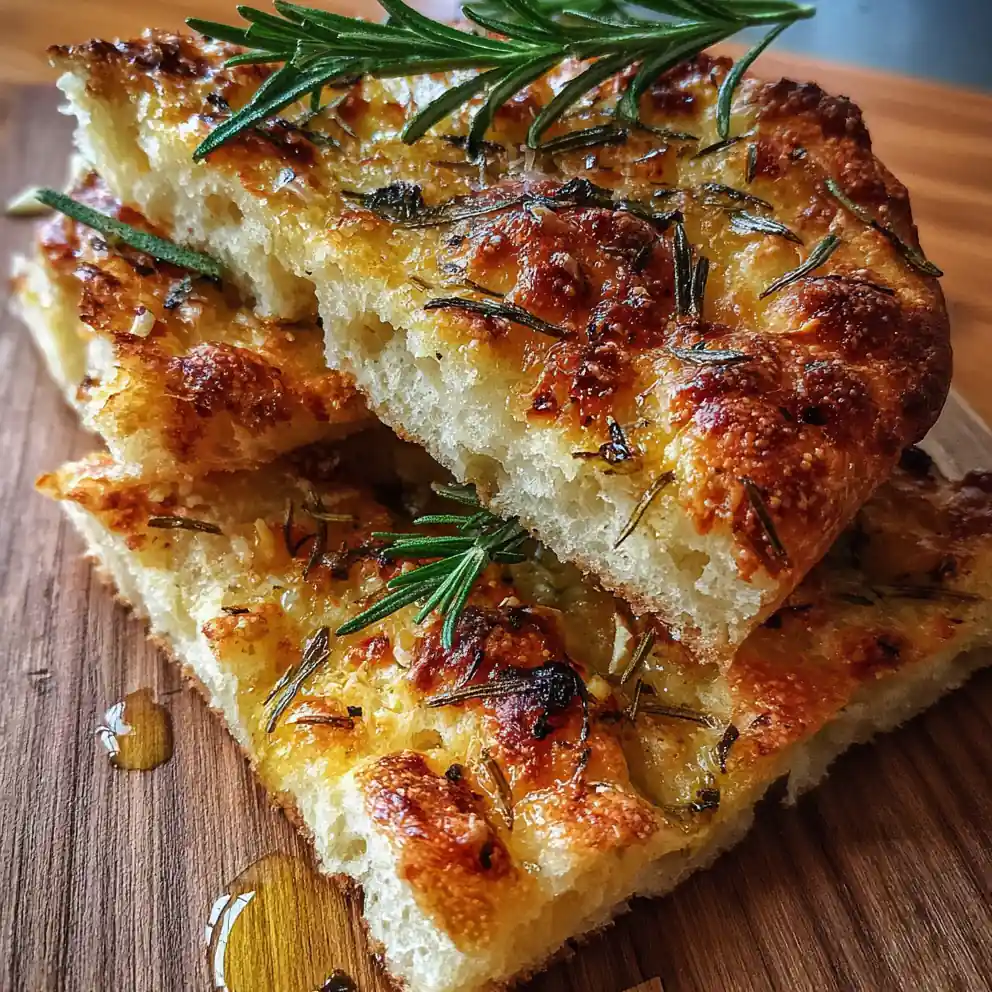
There’s nothing quite like the aroma of fresh rosemary and sweet, roasted garlic infused right into a homemade chewy pizza dough recipe. This isn’t just another crust; it’s the foundation of a hearty, flavor-packed meal that rivals any restaurant. This recipe transforms a basic weeknight dinner into something special for the whole family, focusing on texture and aroma rather than complex techniques. It’s designed for home cooks who want maximum flavor payoff for minimal extra effort. Get ready to upgrade your next pizza night with a crust that’s guaranteed to earn compliments, especially when made using this chewy pizza dough recipe.
Ingredients
- 375 g (3 cups) All-Purpose Flour
Use standard all-purpose flour for consistent results. Measure carefully by weight (375g) for the best dough consistency. Ensure extra flour is on hand for dusting during kneading. - 7 g (2 teaspoons) Instant Dry Yeast
Instant yeast can be mixed directly with the dry ingredients. Ensure the yeast is fresh and active; older yeast may prevent rising. If using active dry yeast, proof it separately in warm water first (add 1 teaspoon sugar). - 10 g (2 teaspoons) Granulated Sugar
Feeds the yeast to help activate it and promote a robust rise. Helps achieve golden-brown crust color during baking. This small amount won’t make the dough taste sweet. - 8 g (1.5 teaspoons) Fine Sea Salt
Essential for flavor and texture, but controls the yeast’s activity. Use fine sea salt for even distribution in the dough. Do not let salt come into direct contact with yeast before adding water. - 250 ml (1 cup) Warm Water (40-45°C / 105-115°F)
The ideal temperature is 40-45°C (105-115°F) for yeast activation. Water that is too hot will kill the yeast; water too cold won’t activate it properly. Use a kitchen thermometer to ensure accuracy for best results. - 60 ml (1/4 cup) Olive Oil, divided
Adds richness and elasticity to the dough for a chewy texture. Used for both roasting the aromatics (30ml) and incorporating into the dough (30ml). Choose a good quality extra virgin olive oil for best flavor. - 1 Head Garlic, separated into cloves
Use one entire head of garlic, separated into individual cloves. Do not peel the cloves before roasting; the skin protects them from burning. Roasting transforms the garlic into a sweet, mild paste that infuses the dough. - 3 Sprigs Fresh Rosemary, leaves finely chopped (about 2 tablespoons)
Use fresh rosemary for a strong aromatic flavor in the crust. The sprigs are roasted first, then the leaves are finely chopped and added during kneading. About 2 tablespoons of chopped leaves are needed from the roasted sprigs.
Instructions
To truly master this chewy pizza dough recipe, follow these simple steps, paying attention to the kneading time for best results.
- Roast the Aromatics: Preheat oven to 200°C (390°F). Place the unpeeled garlic cloves and 3 fresh rosemary sprigs on a small baking dish. Drizzle with 30 ml (2 tablespoons) of olive oil and roast for 20-25 minutes. The garlic cloves should be very soft and fragrant when done; let cool slightly before peeling and mashing into a paste. This step gives this chewy pizza dough recipe its unique flavor.
- Combine Dry Ingredients: In a large bowl, whisk together the 375g flour, 7g instant dry yeast, 10g sugar, and 8g salt. Ensure ingredients are evenly distributed, especially the yeast, for a uniform rise. Whisking prevents clumping and ensures the yeast is ready to activate for the chewy pizza dough recipe.
- Mix and Knead the Dough: Gradually add the 250ml warm water and remaining 30ml olive oil to the dry mixture. Mix with a wooden spoon or spatula until a shaggy, cohesive dough forms. Turn the dough out onto a lightly floured surface and knead for 5 minutes. Incorporate the mashed roasted garlic and chopped rosemary, then continue kneading for another 5-7 minutes until smooth and elastic. What can go wrong: If the dough feels overly dry and stiff after kneading, add a teaspoon of water at a time until it reaches a manageable, slightly tacky consistency.
- First Rise (Proofing): Lightly grease a clean bowl with olive oil. Place the kneaded dough inside, turning to coat all sides. Cover the bowl with a clean kitchen towel or plastic wrap. Let rise in a warm spot for 1 to 1.5 hours, or until the dough has doubled in size. This rise is essential for creating the light, airy structure of this chewy pizza dough recipe.
- Shape the Dough: Gently punch down the dough to release the air. Divide the dough into two equal portions for two medium pizzas, or keep as one larger ball for a sheet pan pizza. For a large family, I like to use a standard baking sheet to make one big rectangular pizza to simplify serving. Form each portion into a smooth ball and let rest for 10 minutes. On a lightly floured surface, stretch or roll out the dough to your desired thickness and shape (round or rectangular).
- Par-Bake or Top Immediately: Transfer the shaped dough to a baking sheet lined with parchment paper or a pizza peel dusted with semolina. For a crispier crust, par-bake for 8-10 minutes at 220°C (425°F) before adding toppings. Alternatively, add toppings immediately and bake for 12-18 minutes, or until the crust is golden brown and the toppings are cooked through. This high heat ensures a nice, chewy pizza dough recipe outcome.
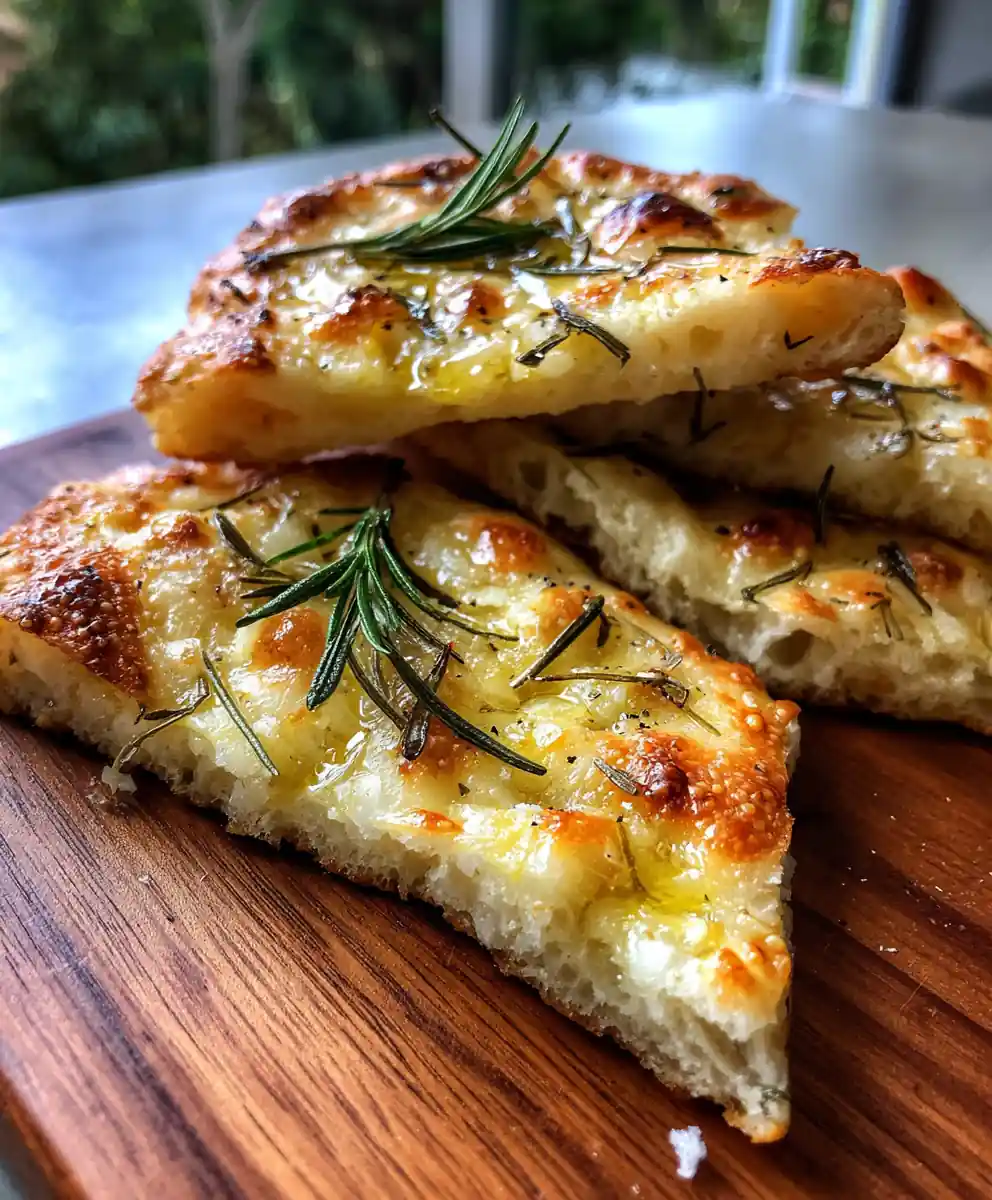
- Finish and Garnish (Optional): Once baked, carefully transfer the pizza to a cutting board. For an extra flavor boost, drizzle the warm crust generously with a teaspoon of the remaining roasted garlic and rosemary infused olive oil. Arrange a few fresh rosemary sprigs artistically on one side for visual appeal before serving. This chewy pizza dough recipe is even better when served immediately.
Tips for a Truly Chewy Pizza Dough Texture
Getting that perfect balance of a light interior and a crispy exterior requires attention to a few key details during preparation. These small adjustments will ensure you have a truly great base for your family pizza night.
Don’t Be Shy with Kneading
Kneading the dough for a full 10 to 12 minutes is perhaps the most critical step for developing a chewy texture. The process builds gluten strength, which traps air bubbles during the rise, giving the dough its signature elasticity and chew. Stop kneading only when the dough feels completely smooth and elastic, not when it just forms a ball. This extra effort is what separates a good crust from a great one for this chewy pizza dough recipe.
Use the Right Flour and Hydration
All-purpose flour provides the perfect balance of chew and softness for a family-style pizza crust. Resist the urge to add too much extra flour during kneading. A slightly sticky dough results in a much chewier crust, as the high hydration keeps the interior soft during baking. If you prefer a crispier crust, reduce the water slightly or add a small amount of oil to the dough before kneading for this chewy pizza dough recipe.
Let It Rise in a Warm Place
A warm environment encourages robust yeast activity, leading to larger air pockets and a light, airy texture. If your kitchen is cool, place the covered bowl in a slightly warmed, turned-off oven or near a sunny window. A warm rise promotes chewiness by allowing the dough to inflate properly. While a long, slow rise in the fridge develops flavor, a shorter warm rise optimizes for that soft, chewy texture we’re looking for here.
Topping Pairings for Garlic Rosemary Pizza Crust
Keep it Simple
Since this crust is highly flavorful with roasted garlic and rosemary, avoid overwhelming it with too many ingredients. A classic Margherita-style pizza (fresh mozzarella, tomatoes, basil) works beautifully with the savory base. Alternatively, consider a white sauce base like Alfredo or a simple garlic butter instead of tomato sauce to complement the infused crust for a quick meal.
Complementary Flavors
Pair this flavorful crust with ingredients that match the aromatic base. Roasted mushrooms, caramelized onions, goat cheese, or thinly sliced chicken are excellent choices. Avoid heavy, acidic sauces or toppings that might clash with the delicate rosemary and garlic flavor, as they can overpower the crust’s unique character.
Meal Prep: Storing and Freezing Homemade Pizza Dough
Refrigerating Dough
To prepare ahead for easy dinner ideas, follow all recipe instructions through the first rise. Punch down the risen dough and place it in an airtight container or a greased bowl covered tightly with plastic wrap. Store in the refrigerator for up to 3 days. Allow the dough to warm up slightly on the counter (about 30 minutes) before shaping.
Freezing Dough for Later
Shape the dough into balls, lightly grease them, and place them on a baking sheet to freeze for 1 hour. Once frozen solid, transfer the dough balls to a freezer-safe zip-top bag; freeze for up to 3 months. To thaw, place the dough in a greased bowl in the refrigerator overnight, then let it come to room temperature before shaping for your next family dinner.
FAQs
Can I use active dry yeast instead of instant dry yeast?
Yes, simply swap it out, but you must proof it first. Mix the active dry yeast and sugar with a small amount of warm water (from the 250ml total) and let it stand for 5-10 minutes until foamy before adding it to the flour mixture. This extra step activates the yeast before it’s combined with the flour.
Why didn’t my dough rise?
The water might have been too hot (killing the yeast) or too cold (preventing activation). Your yeast may be expired, or your kitchen might be too cold during proofing. Ensure a warm, draft-free spot for rising and check the yeast expiration date before starting. A common mistake I see in my kitchen is placing the bowl near a drafty window; a warm, turned-off oven works great in winter.
Can I make this chewy pizza dough recipe without roasting the garlic?
You can use raw minced garlic, but the flavor will be much sharper and less sweet. Roasting transforms the garlic, mellowing its harshness and enhancing its natural sweetness, which pairs better with the dough for this specific chewy pizza dough recipe. For best results and flavor, stick to the roasting method outlined.
How do I get a crispy bottom and a chewy center?
High-heat baking (220°C / 425°F or higher) is key; use a pizza stone or preheated baking steel if available. Par-baking the crust for 8-10 minutes before adding toppings helps set the crust and prevents a soggy bottom. Brushing with a little infused olive oil before baking also aids in achieving a golden, crispy edge on this chewy pizza dough.
Conclusion
Making homemade pizza dough might seem daunting, but this chewy pizza dough recipe simplifies the process with a flavor-forward twist. This recipe guarantees a crust that’s far superior to store-bought options, making family pizza night truly special. Save this recipe for your next weekend meal plan and transform your pizza experience; it’s a must-try for healthy eating.
Print
chewy pizza dough recipe
- Total Time: 135 minutes
- Yield: 2 medium pizzas 1x
- Diet: Vegetarian
Description
A homemade pizza dough recipe featuring roasted garlic and fresh rosemary for a flavorful and chewy crust.
Ingredients
- 3 cups all-purpose flour
- 2 teaspoons instant dry yeast
- 2 teaspoons granulated sugar
- 1.5 teaspoons fine sea salt
- 1 cup warm water (105-115°F)
- 0.25 cup olive oil, divided
- 1 head garlic, separated into cloves
- 3 sprigs fresh rosemary, leaves finely chopped (about 2 tablespoons)
Instructions
- Roast Aromatics: Preheat oven to 390°F (200°C). Place unpeeled garlic cloves and rosemary sprigs on a baking dish. Drizzle with 2 tablespoons (30ml) olive oil. Roast for 20-25 minutes until soft and fragrant. Let cool slightly, then peel and mash the garlic cloves into a paste.
- Combine Dry Ingredients: In a large bowl, whisk together the flour, instant dry yeast, sugar, and salt.
- Mix and Knead Dough: Gradually add the warm water and remaining 2 tablespoons (30ml) olive oil to the dry mixture. Mix until a shaggy dough forms. Turn onto a lightly floured surface and knead for 5 minutes. Incorporate the mashed roasted garlic and chopped rosemary, then continue kneading for another 5-7 minutes until the dough is smooth and elastic.
- First Rise (Proofing): Place the kneaded dough in a lightly oiled bowl, turning to coat. Cover with a kitchen towel and let rise in a warm spot for 1 to 1.5 hours, or until doubled in size.
- Shape Dough: Gently punch down the dough to release air. Divide into two equal portions for medium pizzas or keep as one large portion for a sheet pan pizza. Form each portion into a smooth ball and let rest for 10 minutes. Roll out the dough to your desired thickness and shape.
- Par-Bake or Top Immediately: Transfer shaped dough to a baking sheet lined with parchment paper. For a crispier crust, par-bake for 8-10 minutes at 425°F (220°C) before adding toppings. Alternatively, add toppings immediately and bake for 12-18 minutes until golden brown.
- Finish and Garnish: Drizzle the warm crust with a teaspoon of the remaining infused oil and garnish with fresh rosemary before serving immediately.
Notes
Ensure water temperature is 105-115°F for optimal yeast activation. For a crispier crust, par-bake the dough before adding toppings. If using active dry yeast, proof it separately in warm water first.
- Prep Time: 30 minutes
- Cook Time: 15 minutes
- Category: Bread/Dough
- Method: Baking
- Cuisine: Italian-American
Nutrition
- Serving Size: 1 slice (about 1/16th of recipe)
- Calories: 120 calories
- Sugar: 1 g
- Sodium: 200 mg
- Fat: 4 g
- Saturated Fat: 0.5 g
- Unsaturated Fat: 3.5 g
- Trans Fat: 0 g
- Carbohydrates: 23 g
- Fiber: 1 g
- Protein: 2 g
- Cholesterol: 0 mg
FREE PRINTABLE RECIPE
Get the Printable Recipe PDF (Free)
Enter your email and we’ll send you the ingredients + step-by-step instructions as a clean PDF you can save to your phone.
- ✅ Printable PDF (ingredients + steps)
- ✅ Save it to your phone (no long scrolling)
- ✅ Includes cook time + servings
- ✅ Easy to follow
FAQ
Where’s the full recipe?
It’s delivered as a printable PDF so you can save it and cook without scrolling.
I didn’t get the email.
Check Spam/Promotions and search your inbox for your site name. Then click Confirm to receive the PDF.