
I’ve always loved making fudge, especially when I can add a unique twist to a classic dessert.
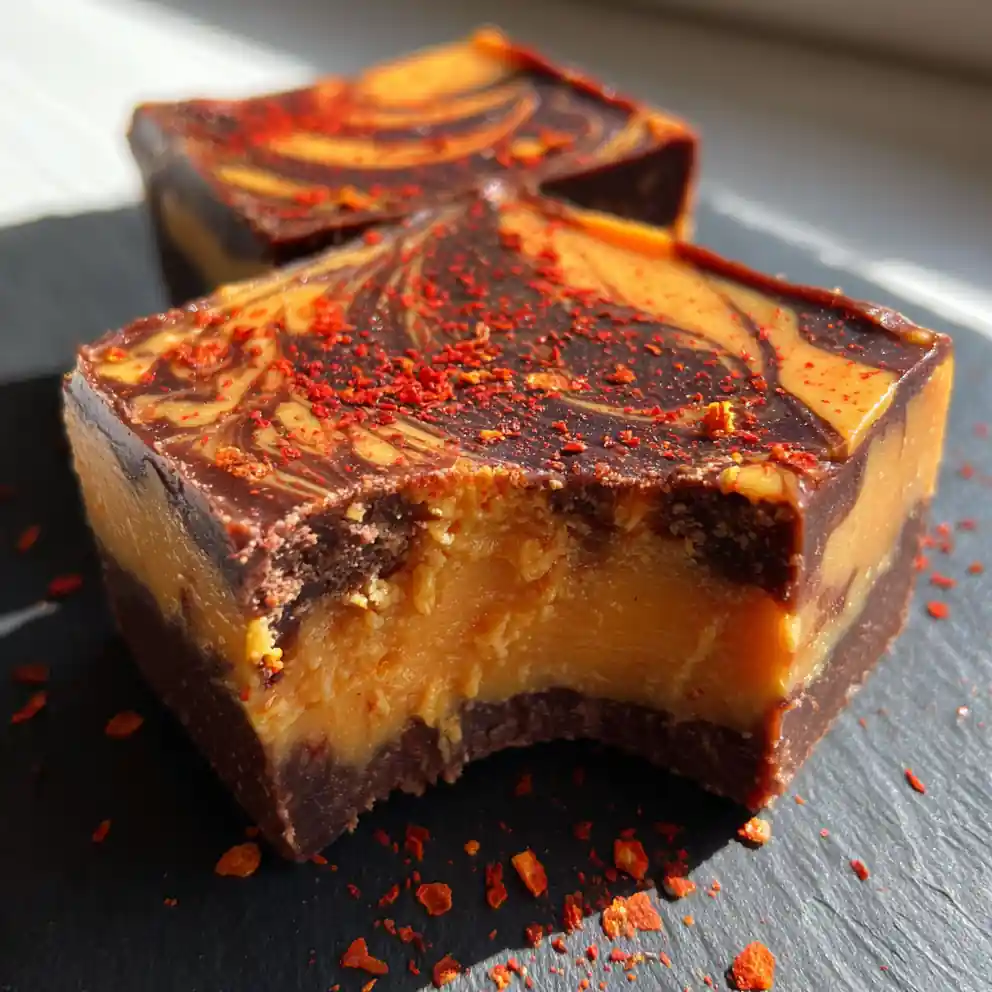
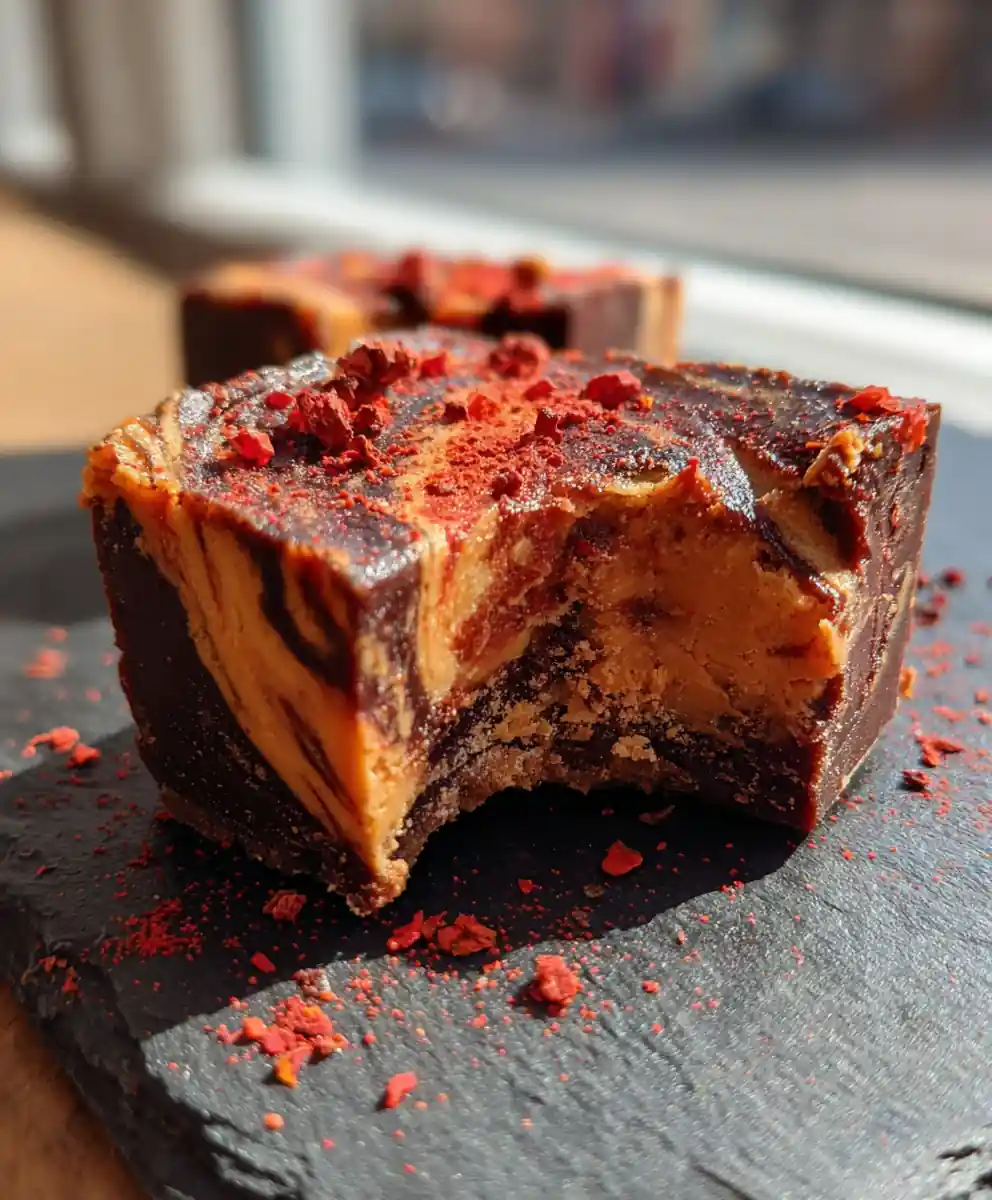
This **fudge recipe with cocoa powder** takes a simple base and elevates it with a surprising combination of bright citrus and subtle smokiness. The resulting fudge has a dark, rich color from the cocoa, perfectly balanced by the vibrant pink swirl of blood orange and a hint of smoked paprika. While it sounds complex, we’re building on simple pantry staples to create a make-ahead treat that’s perfect for holidays or family gatherings. Don’t worry if you’re new to making candy; the candy thermometer guides us to that smooth, creamy texture every time. This unique **fudge recipe with cocoa powder** relies on careful steps, but the result is truly worth the effort.
Ingredients
- 3 cups (600 g) granulated sugar: This provides the essential structure and sweetness for the fudge. Do not reduce the amount of sugar, as it is crucial for achieving the correct texture and set. Standard white sugar works best here for consistency.
- 3/4 cup (170 g) unsalted butter: Adds richness and creaminess to the final product. Unsalted butter allows you to control the exact amount of salt in the recipe. Cut into cubes for faster melting during the initial cooking phase.
- 2/3 cup (160 mL) evaporated milk: Evaporated milk provides concentrated creaminess and aids in crystal formation, giving the fudge its signature smooth texture. Avoid substituting with standard milk or cream; the higher concentration of solids in evaporated milk is necessary here.
- 1/2 cup (50 g) unsweetened cocoa powder: Use high-quality Dutch-process cocoa powder for a deep, rich chocolate flavor and dark color. This is the primary chocolate element; avoid using sweetened hot chocolate mixes. Sifting the cocoa powder before adding helps prevent lumps in this **fudge recipe with cocoa powder**.
- 1/4 teaspoon fine sea salt: Enhances the chocolate flavor and balances the sweetness of the sugar. Fine sea salt dissolves easily in the mixture.
- 1 teaspoon alcohol-free vanilla extract: Adds depth and rounds out the overall flavor profile. Use high-quality extract for best results, avoiding imitation vanilla. Add only after removing from heat to preserve its flavor.
- 1/2 cup (120 mL) freshly squeezed blood orange juice: Provides the vibrant citrus component for the swirl and a natural pinkish hue. Blood oranges have a distinct flavor, but you can use standard navel oranges in a pinch if they aren’t available. Squeeze fresh for the brightest flavor.
- 1 tablespoon finely grated blood orange zest: Contains the majority of the aromatic oils from the orange. Grate carefully, avoiding the white pith, which can add bitterness. This enhances the citrus flavor in the swirl significantly.
- 1/4 cup (50 g) granulated sugar: Used to create the thick, syrupy consistency of the blood orange swirl. This amount ensures the swirl reduces properly without being too watery.
- 1 teaspoon mild smoked paprika: Adds a subtle, earthy, smoky complexity that complements the chocolate and orange. Use mild smoked paprika (Pimentón de la Vera dulce) for a gentle flavor, not hot paprika. A little goes a long way to add depth.
- 1/4 teaspoon mild smoked paprika (for dusting garnish): Reserved for decorating the finished fudge pieces. Adds a visual contrast and final aromatic touch.
- 1/2 teaspoon finely grated blood orange zest (for sprinkling garnish): Reserved for decorating the finished fudge pieces. Provides a pop of vibrant color and fresh aroma upon serving.
Instructions
Step 1: Prepare the Swirl Base
Combine the blood orange juice, 1 tablespoon of zest, 1/4 cup sugar, and 1 teaspoon smoked paprika in a small saucepan over medium-low heat. Simmer gently, stirring constantly until the sugar dissolves completely. Continue to simmer for 10-15 minutes, or until the mixture reduces to a thick, syrupy consistency; it should coat the back of a spoon. Remove from heat and set aside to cool.
Step 2: Prepare the Baking Pan
Line an 8×8 inch square baking pan with parchment paper, allowing an overhang on two sides. The overhang serves as handles to easily lift the finished **fudge recipe with cocoa powder** from the pan. Grease the pan lightly before lining to help the parchment paper adhere smoothly.
Step 3: Cook the Fudge Base to Temperature
In a heavy-bottomed 3-quart saucepan, combine the 3 cups sugar, butter, evaporated milk, cocoa powder, and salt. Place over medium heat, stirring constantly until the butter melts and the sugar dissolves. Bring the mixture to a rolling boil. This forms the base for a successful **fudge recipe with cocoa powder**.
Step 4: Reach Soft-Ball Stage
Insert a candy thermometer, ensuring it does not touch the bottom of the pan. Continue to boil without stirring until the thermometer registers 112-115°C (234-239°F), which is the soft-ball stage. If the mixture overcooks past 115°C (239°F), it will become too hard and brittle like toffee; immediately pull from the heat if this happens.
Step 5: Cool and Beat the Fudge
Immediately remove the saucepan from the heat once the temperature is reached. Stir in the vanilla extract. Allow the mixture to cool undisturbed for about 5-10 minutes, or until it reaches approximately 60°C (140°F). Once cooled, beat vigorously with a wooden spoon or electric mixer on medium speed for 5-7 minutes until it loses its glossy sheen and thickens substantially.
Step 6: Swirl and Set
Quickly pour about two-thirds of the beaten fudge into the prepared pan and spread evenly. Dollop half of the cooled Blood Orange Swirl mixture over the fudge, then add the remaining fudge and top with the rest of the swirl. Use a butter knife or skewer to create gentle swirls, making sure not to overmix to maintain distinct color variations.
Step 7: Chill and Cut
Refrigerate the fudge for at least 2 hours, or until completely firm. Once firm, use the parchment overhangs to lift the fudge onto a cutting board. Cut carefully into 1-inch squares. This family-friendly dessert is perfect for a special occasion.
Step 8: Garnish and Serve
Arrange the cut pieces on a serving platter or slate board. Lightly dust each piece with a whisper of the reserved smoked paprika and sprinkle with the remaining blood orange zest. This unique **fudge recipe with cocoa powder** is ready to share.
Tips for Creamy, Non-Crystallized Fudge
Achieving a perfectly smooth, non-grainy texture is the main goal when making this fudge recipe with cocoa powder. The key is precise temperature control and proper cooling. If you rush the process, you risk crystallization, which results in gritty fudge.
- Avoid Stirring During Boiling: Once the mixture comes to a boil, stop stirring completely. Stirring at this stage can cause sugar crystals to form, leading to a grainy texture.
- Monitor Temperature Closely: Use a candy thermometer to ensure the mixture reaches exactly 112-115°C (234-239°F), the ‘soft-ball’ stage. This precision determines if the fudge will set correctly.
- Cool Before Beating: Remove the mixture from the heat and allow it to cool undisturbed to approximately 60°C (140°F). Beating hot fudge can cause large sugar crystals to form; cooling helps facilitate the development of small, fine crystals for a smooth consistency.
- Beat Vigorously: Once cooled, beat the fudge vigorously for several minutes. This agitation encourages proper crystallization and causes the mixture to thicken and lose its glossy sheen.
Understanding Blood Orange and Smoked Paprika Flavor Pairing
The combination of rich chocolate and vibrant citrus is a classic pairing that provides a lovely contrast of sweet and tart. The addition of smoked paprika, however, takes this fudge recipe to a new level.
The mild smoked paprika adds a subtle, earthy, smoky complexity that cuts through the richness of the fudge. It enhances the depth of the cocoa powder and creates a sophisticated flavor profile that’s unexpected and memorable. If you can’t find blood oranges, standard navel oranges provide a similar flavor profile, though without the deep color.
Make-Ahead and Storage Tips for Fudge
This fudge recipe is an excellent make-ahead dessert for holidays or special occasions. It requires a few hours to set, but it can be prepared up to three days in advance. Once set, store the fudge in an airtight container at room temperature for up to two weeks, layering pieces between parchment paper to prevent sticking.
For longer-term storage, cut the fudge into squares and place them in an airtight freezer bag or container. Freeze for up to three months. To thaw, move the container to the refrigerator overnight before serving.
FAQs
Can I make this fudge without a candy thermometer?
No, a candy thermometer is essential for this recipe. It ensures the mixture reaches the exact soft-ball stage required for the fudge to set properly. This precision prevents both grainy fudge and overly brittle candy.
What happens if I overcook the fudge?
If you cook the mixture past 115°C (239°F), the fudge will become too hard and brittle, similar to toffee. If you undercook it, the fudge won’t set firmly and will be too soft to cut and serve.
Why did my fudge turn out grainy?
Grainy fudge is typically caused by sugar crystallization. Avoid stirring the mixture while boiling, and ensure you cool it adequately to 60°C before beating. For the cleanest results, I also recommend wiping down the sides of the pan with a wet pastry brush before heating to remove any stray sugar crystals.
Can I use chocolate chips instead of cocoa powder?
No, this fudge recipe with cocoa powder relies on a different ratio of ingredients to achieve the proper set. Substituting chocolate chips would require a completely different recipe, as their fat and sugar contents are formulated differently for melting, not boiling to soft-ball stage.
How do I get clean cuts on the fudge?
To get perfectly clean cuts, ensure the fudge is completely cold and firm from the refrigerator. Use a long, sharp knife, running it under hot water and drying it between cuts for neat squares.
Can I substitute the evaporated milk?
Evaporated milk is crucial for the texture in this fudge recipe. Do not substitute with standard milk or cream; the fudge will not set correctly due to the lower concentration of milk solids.
Conclusion
This unique fudge recipe with cocoa powder proves that a little creativity can elevate simple ingredients into a show-stopping dessert. The combination of rich chocolate, zesty blood orange, and smoky paprika creates a memorable flavor experience that’s truly special. Save this recipe to Pinterest for your next family gathering or holiday event.
Print
fudge recipe with cocoa powder
- Total Time: 165 minutes
- Yield: 64 pieces 1x
- Diet: General
Description
A rich cocoa fudge with a unique blood orange and smoked paprika swirl, offering a sophisticated twist on a classic candy. This recipe requires a candy thermometer for a smooth, creamy texture.
Ingredients
- 3 cups granulated sugar
- 3/4 cup unsalted butter, cubed
- 2/3 cup evaporated milk
- 1/2 cup unsweetened cocoa powder
- 1/4 teaspoon fine sea salt
- 1 teaspoon vanilla extract
- 1/2 cup fresh blood orange juice
- 1 1/2 teaspoons blood orange zest, divided
- 1/4 cup granulated sugar (for swirl)
- 1 1/4 teaspoons smoked paprika, divided
Instructions
- Prepare Swirl Mixture: Simmer blood orange juice, 1 tablespoon zest, 1/4 cup sugar, and 1 teaspoon smoked paprika in a small saucepan. Reduce heat and cook for 10-15 minutes until thick and syrupy. Set aside to cool.
- Set Up Pan: Line an 8×8 inch square pan with parchment paper, allowing overhang on two sides, and grease lightly.
- Cook Fudge Base: In a heavy saucepan, combine 3 cups sugar, butter, evaporated milk, cocoa powder, and salt. Cook over medium heat, stirring until the butter melts and sugar dissolves. Bring to a rolling boil.
- Reach Soft-Ball Stage: Insert a candy thermometer and boil without stirring until the mixture reaches 234-239°F (112-115°C). Immediately remove from heat.
- Cool and Beat: Stir in the vanilla extract. Let the mixture cool undisturbed to about 140°F (60°C). Beat vigorously with a wooden spoon or electric mixer for 5-7 minutes until the fudge loses its glossy shine and thickens.
- Swirl and Set: Pour two-thirds of the fudge into the pan and spread evenly. Dollop half of the cooled swirl mixture over it. Add the remaining fudge, then top with the rest of the swirl. Create gentle swirls with a knife.
- Chill and Cut: Refrigerate for at least 2 hours until firm. Lift the fudge using the parchment overhangs and cut into 1-inch squares.
- Garnish: Dust each piece with remaining smoked paprika and sprinkle with remaining blood orange zest before serving.
Notes
A candy thermometer is crucial for achieving the correct texture. Do not stir while boiling to avoid crystallization, and cool the mixture to 140°F before beating. For clean cuts, ensure the fudge is completely cold and use a hot, sharp knife, drying it between cuts.
- Prep Time: 15 minutes
- Cook Time: 30 minutes
- Category: Dessert
- Method: Boiling
- Cuisine: American
Nutrition
- Serving Size: 1 piece
- Calories: 60 kcal
- Sugar: 10 g
- Sodium: 10 mg
- Fat: 2.5 g
- Saturated Fat: 1.5 g
- Unsaturated Fat: 1 g
- Trans Fat: 0 g
- Carbohydrates: 10 g
- Fiber: 0.5 g
- Protein: 0.5 g
- Cholesterol: 5 mg
FREE PRINTABLE RECIPE
Get the Printable Recipe PDF (Free)
Enter your email and we’ll send you the ingredients + step-by-step instructions as a clean PDF you can save to your phone.
- ✅ Printable PDF (ingredients + steps)
- ✅ Save it to your phone (no long scrolling)
- ✅ Includes cook time + servings
- ✅ Easy to follow
FAQ
Where’s the full recipe?
It’s delivered as a printable PDF so you can save it and cook without scrolling.
I didn’t get the email.
Check Spam/Promotions and search your inbox for your site name. Then click Confirm to receive the PDF.