
I always keep a jar of gochujang in my pantry, because it’s the secret weapon for quick weeknight dinners. This quick vegetable stir fry recipe is a game-changer for weeknights, combining fresh, crisp vegetables with a bold, sticky glaze. The aroma of garlic and ginger hitting the hot wok, combined with the sweet and savory gochujang glaze, fills the kitchen with warmth. Forget boring stir fries; this version uses a unique gochujang-maple sauce that delivers big flavor without a long ingredient list. It’s a guaranteed hit with family members, balancing spicy heat, savory soy, and sweet maple syrup for a perfect balance. From start to finish, you can have this healthy, satisfying meal on the table in under 20 minutes. We’ll focus on high-heat stir-frying techniques to keep your vegetables crisp-tender and full of vibrant color.
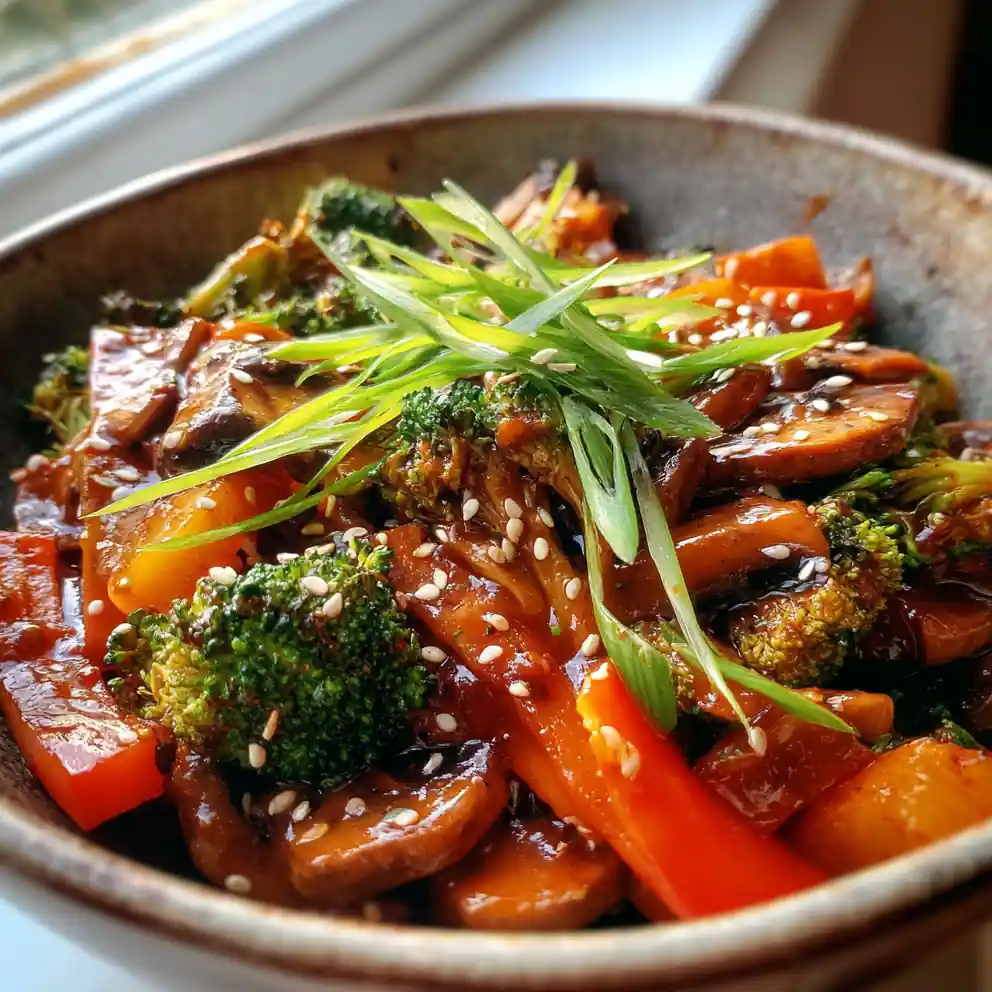
Ingredients
The ingredients for this vegetable stir fry recipe focus on achieving balance between heat, sweetness, and savory umami. This simple list provides a delicious and healthy base for your meal.
- 300g (2 cups) Broccoli Florets: Cut into bite-sized pieces; ensure florets are roughly uniform for even cooking. These are the core hardy vegetable, providing great texture and nutritional value. Do not overcook; we want them to retain a firm bite when done.
- 1 Large Carrot (150g): Peeled and thinly sliced into rounds or matchstick juliennes. Thin slicing is essential for quick cooking in the wok. Carrots add sweetness and color, balancing the savory and spicy flavors.
- 1 Red Bell Pepper (150g) and 1 Yellow Bell Pepper (150g): Cored, seeded, and sliced into strips (about 1 cm wide). Provides vibrant color and sweet, juicy texture to the final dish. The yellow pepper adds a slightly milder sweetness compared to the red.
- 100g (1 cup) Snap Peas: Trimmed and kept whole; ensure strings are removed for better texture. These add a fresh, sweet crunch and cook very quickly. Add these near the end to maintain their bright green color and crispness.
- 150g (1 ½ cups) Cremini Mushrooms: Wipe clean and slice thinly (about 3 mm). Mushrooms add savory, umami flavor that deepens the sauce. Ensure they are sliced thin enough to cook down quickly and absorb the glaze.
- ½ Medium Red Onion (75g): Thinly sliced; provides a sharp, savory base for the aromatics. Red onions hold their texture better during stir-frying than yellow onions. A small amount adds significant flavor without overwhelming the dish.
- 2 Cloves Garlic and 15g (1 tbsp) Fresh Ginger: Finely minced garlic and grated ginger are essential aromatics. They form the foundation of the stir fry’s flavor profile. Use fresh ginger for the best results, as dried powder lacks the same pungency.
- 30ml (2 tbsp) Vegetable Oil: Use high-smoke point oil like canola, grapeseed, or avocado oil. Do not use olive oil; high-heat cooking requires a neutral oil. This amount ensures even cooking without making the stir fry greasy.
- 60ml (¼ cup) Gochujang (Korean chili paste): The star of the glaze; provides fermented heat and savory depth. Adjust quantity based on desired spice level, but a full ¼ cup provides medium heat. Gochujang can be found in the international aisle or Asian markets.
- 60ml (¼ cup) Maple Syrup: Adds sweetness and helps create a thick, glossy glaze. The sweetness balances the heat of the gochujang perfectly. Can use honey or brown sugar as a substitute if necessary.
- 60ml (¼ cup) Light Soy Sauce: Provides essential saltiness and umami; use a low-sodium version if preferred. Light soy sauce (not dark) ensures the flavor isn’t overly heavy. Ensure it is alcohol-free if adhering to certain dietary requirements.
- 30ml (2 tbsp) Rice Vinegar: Adds necessary acidity to cut through the richness of the glaze. Balance is key; the vinegar provides a bright finish to the sauce. Apple cider vinegar can be used as a non-traditional substitute in a pinch.
- 15ml (1 tbsp) Toasted Sesame Oil: Adds a deep, nutty aroma at the very end. Do not cook with this oil; add it to the final sauce for maximum impact. The flavor is very concentrated; a little goes a long way.
- 15ml (1 tbsp) Water and 5g (1 tsp) Cornstarch: Combined to create a slurry for thickening the sauce. The slurry gives the stir fry its signature glossy coating. Ensure the cornstarch is fully dissolved in cold water before adding to the hot pan.
- 5ml (1 tsp) Toasted Sesame Seeds and 15g (2 tbsp) Fresh Scallions: Used for final garnish; provides texture and fresh flavor. Toast the sesame seeds lightly in a dry pan for better flavor. Slice scallions thinly, using only the green parts.
Instructions
Follow these steps for a perfect vegetable stir fry recipe every time. The key is to work quickly and prepare your vegetables beforehand.
- Prepare all vegetables: Cut broccoli into bite-sized florets, thinly slice carrot, bell peppers, mushrooms, and red onion. Mince garlic and grate fresh ginger. Ensure all vegetables are prepped and ready before you start cooking; stir-frying is very fast once heat is applied.
- Make the glaze and slurry: In a small bowl, whisk together the gochujang, maple syrup, light soy sauce, rice vinegar, and toasted sesame oil for the glaze. In a separate small bowl, combine the water and cornstarch to create a slurry; set aside. The slurry will be added at the end to thicken the sauce rapidly.
- Heat the wok: Heat a large wok or a 30 cm (12-inch) non-stick skillet over high heat until smoking lightly. Add the vegetable oil and swirl to coat the pan. High heat is critical for stir-frying; avoid overcrowding the pan or the vegetables will steam instead of sear.
- Add aromatics and initial vegetables: Add the minced garlic and grated ginger to the hot oil and stir-fry for 15-30 seconds until fragrant, being careful not to burn. Add the broccoli and carrots to the wok; these hardy vegetables need more time. Stir-fry for 2-3 minutes until they begin to soften and brighten in color.
- Add remaining vegetables: Add the red onion, bell peppers, and mushrooms to the wok. Continue to stir-fry for another 3-4 minutes until all vegetables are crisp-tender. The mushrooms should release their moisture and begin to brown slightly. If your vegetables look dry at this stage, add a small splash of water or extra soy sauce to create more moisture for the cornstarch to bind to.
- Add the glaze and thicken: Pour the prepared Gochujang-Maple Glaze over the vegetables. Bring to a simmer, then immediately stir in the cornstarch slurry. Cook, stirring constantly, for 1-2 minutes until the glaze thickens and coats the vegetables beautifully, creating a glossy sheen. The gochujang-maple glaze elevates this vegetable stir fry recipe significantly.
- Plate and serve: To plate, transfer the glossy stir-fried vegetables into a deep, wide ceramic bowl. Drizzle any remaining glaze from the wok over the top of the stir-fry. Garnish generously with toasted sesame seeds and freshly sliced scallion greens.
FAQs
How can I prevent my vegetables from becoming soggy in the stir fry?
Use high heat and ensure your wok or pan is fully heated before adding oil and vegetables. Work in batches if necessary; overcrowding the pan lowers the temperature and causes steaming. Make sure vegetables are dry when added to the pan.
Can I make this vegetable stir fry recipe ahead of time?
Stir fries are best served immediately, as the texture of the vegetables degrades over time. If you must meal prep, store the sauce separately and cook the vegetables just before eating to maintain crispness. Reheat leftovers gently to retain texture.
What protein additions work best with this Gochujang glaze?
Firm tofu (pressed and cubed), chicken breast, or beef strips are excellent choices. Add the protein first, cook it until nearly done, remove it from the pan, stir-fry the vegetables, then re-add the protein with the sauce. This gochujang vegetable stir fry recipe easily handles extra protein.
Is gochujang very spicy, and can I adjust the heat level?
Gochujang (Korean chili paste) has a medium, rounded heat. To reduce the spice for this vegetable stir fry recipe, use only 2 tablespoons of gochujang instead of ¼ cup. For extra spice, add a pinch of cayenne pepper or extra chili flakes along with the gochujang.
What kind of rice or noodles should I serve with this dish?
This vegetable stir fry recipe pairs beautifully with fluffy jasmine rice, brown rice, or a nutty quinoa base. For noodles, try thick udon noodles or wide rice noodles (Banh Pho). The thick glaze clings perfectly to larger noodle shapes.
How do I store leftovers, and how long do they last?
Store leftovers in an airtight container in the refrigerator for up to 3-4 days. Reheat gently in a skillet over medium heat to avoid overcooking the vegetables. Avoid microwaving if you want to keep some of the crisp-tender texture.
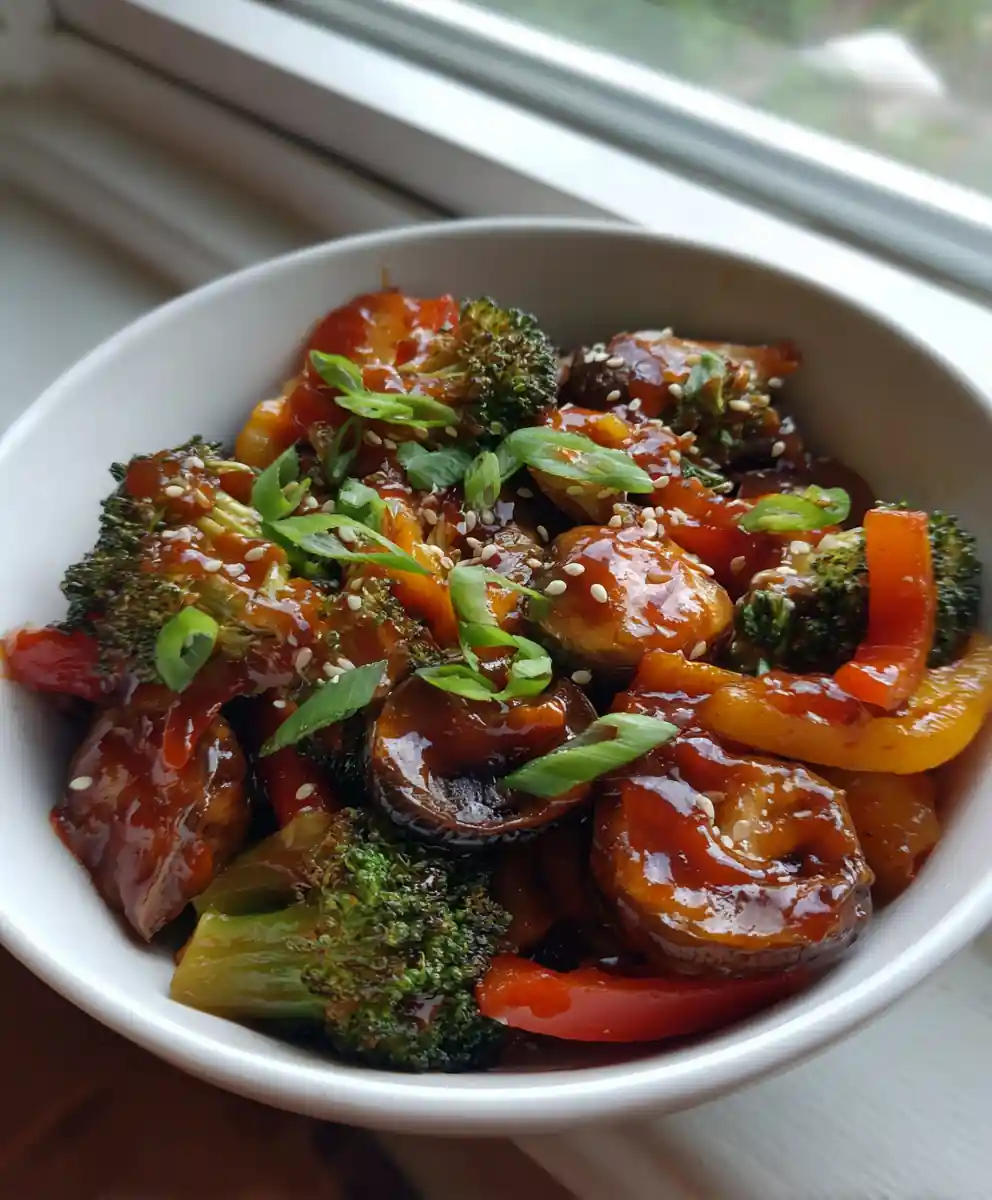
Make It Your Own: Protein Add-Ins and Vegetable Swaps
This vegetable stir fry recipe is incredibly versatile and allows for easy customization to fit your family’s preferences. Feel free to swap vegetables based on what you have on hand or what is in season. My kids prefer when I use green beans instead of broccoli, so I often make this adjustment to get them to eat more healthy vegetables.
Protein Power
If you want to add a source of protein to this family-friendly meal, consider adding pre-cooked chicken, shrimp, or firm tofu. Cut the protein into bite-sized pieces and cook them first until browned, then remove them before starting the vegetable stir fry process.
Seasonal Swaps
Substitute broccoli and carrots with green beans, bok choy, zucchini, or cabbage wedges. The key is to add hardy vegetables first (like green beans) and softer vegetables later (like zucchini). This ensures even cooking and prevents a soggy vegetable stir fry.
Spice Level Adjustments
Adjust the gochujang amount to control the heat. For a milder flavor, reduce the gochujang to 2 tablespoons and increase the maple syrup slightly. For extra heat, add a pinch of red pepper flakes or a dash of hot sauce to the glaze.
What to Serve with Your Vegetable Stir Fry
The sticky gochujang glaze makes a fantastic coating for classic white rice (like jasmine) or noodles. Prepare rice or noodles ahead of time for a truly fast weeknight meal. For extra crunch, garnish with chopped peanuts, cashews, or extra sesame seeds. A sprinkle of fresh cilantro or extra scallions adds brightness.
Conclusion
This gochujang-maple vegetable stir fry recipe proves that quick weeknight meals can also be rich in flavor and satisfying. The unique blend of sweet, spicy, and savory notes makes this a new family favorite. Pin this delicious vegetable stir fry recipe for later and try making this quick dinner idea this week; it’s a perfect way to add more color and flavor to your family dinners.
Print
vegetable stir fry recipe
- Total Time: 20 minutes
- Yield: 4 servings 1x
- Diet: Vegetarian
Description
This quick gochujang vegetable stir fry recipe combines crisp vegetables with a bold, sticky glaze. The unique sauce balances spicy heat from gochujang with sweet maple syrup for a healthy and satisfying meal ready in under 20 minutes.
Ingredients
- 300g (2 cups) broccoli florets
- 1 large carrot (150g), thinly sliced
- 1 red bell pepper (150g), sliced
- 1 yellow bell pepper (150g), sliced
- 100g (1 cup) snap peas, trimmed
- 150g (1.5 cups) cremini mushrooms, sliced
- 75g (0.5 medium) red onion, sliced
- 2 cloves garlic, minced
- 15g (1 tbsp) fresh ginger, grated
- 30ml (2 tbsp) vegetable oil
- 60ml (0.25 cup) gochujang (Korean chili paste)
- 60ml (0.25 cup) maple syrup
- 60ml (0.25 cup) light soy sauce
- 30ml (2 tbsp) rice vinegar
- 15ml (1 tbsp) toasted sesame oil
- 15ml (1 tbsp) water
- 5g (1 tsp) cornstarch
- 5ml (1 tsp) toasted sesame seeds, for garnish
- 15g (2 tbsp) fresh scallions, sliced, for garnish
Instructions
- Prepare Vegetables: Cut broccoli into florets, slice carrots, peppers, mushrooms, and onion. Mince garlic and grate ginger, keeping them ready for quick cooking.
- Mix Sauce and Slurry: Whisk gochujang, maple syrup, soy sauce, rice vinegar, and sesame oil together for the glaze. Separately, mix water and cornstarch to create a slurry.
- Stir-Fry Aromatics: Heat a wok with vegetable oil over high heat. Add garlic and ginger, stir-frying briefly (15-30 seconds) until fragrant.
- Cook Hardy Vegetables: Add broccoli and carrots to the wok. Continue stir-frying for 2-3 minutes until they begin to soften and brighten in color.
- Add Remaining Vegetables: Incorporate red onion, bell peppers, and mushrooms, cooking for another 3-4 minutes until all vegetables reach a crisp-tender texture.
- Thicken Glaze: Pour the prepared glaze over the vegetables and bring to a simmer. Stir in the cornstarch slurry and cook, stirring constantly, for 1-2 minutes until the sauce thickens and coats the vegetables evenly.
- Serve Immediately: Transfer the stir-fry to a bowl and garnish generously with toasted sesame seeds and sliced scallions before serving.
Notes
To achieve a crisp texture, ensure high heat, avoid overcrowding the pan, and prepare all ingredients before cooking. The stir-fry is best served immediately but can be stored for 3-4 days; reheat gently to preserve texture.
- Prep Time: 10 minutes
- Cook Time: 10 minutes
- Category: Dinner
- Method: Stir-frying
- Cuisine: Korean
Nutrition
- Serving Size: 1 serving
- Calories: 280 kcal
- Sugar: 12 g
- Sodium: 500 mg
- Fat: 11 g
- Saturated Fat: 1.5 g
- Unsaturated Fat: 9.5 g
- Trans Fat: 0 g
- Carbohydrates: 30 g
- Fiber: 5 g
- Protein: 5 g
- Cholesterol: 0 mg
FREE PRINTABLE RECIPE
Get the Printable Recipe PDF (Free)
Enter your email and we’ll send you the ingredients + step-by-step instructions as a clean PDF you can save to your phone.
- ✅ Printable PDF (ingredients + steps)
- ✅ Save it to your phone (no long scrolling)
- ✅ Includes cook time + servings
- ✅ Easy to follow
FAQ
Where’s the full recipe?
It’s delivered as a printable PDF so you can save it and cook without scrolling.
I didn’t get the email.
Check Spam/Promotions and search your inbox for your site name. Then click Confirm to receive the PDF.