
I’ve tried a lot of good french toast recipes over the years, but this brown butter caramel swirl version is the one my family asks for every weekend.
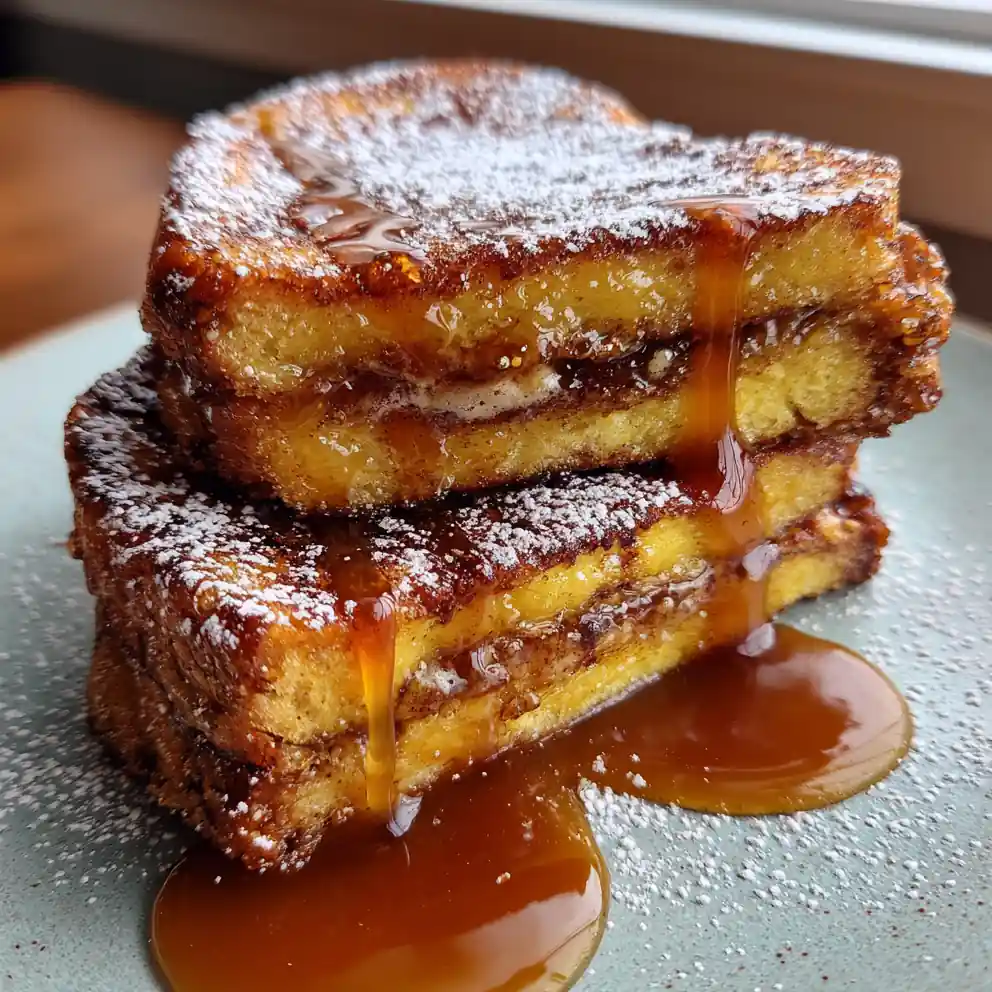
The secret to this good french toast recipe lies in infusing the egg batter itself with rich, nutty brown butter caramel, creating a beautiful marbled pattern that cooks right into the bread. It offers perfectly crispy edges, a fluffy interior, and layers of decadent flavor in every bite. It’s the perfect recipe for a slow Saturday morning or to impress guests without stressing over complex techniques, making it a new favorite for easy family meals.
Ingredients
- 200 g (7 oz) thick-cut brioche or challah bread, cut into 2.5 cm (1 inch) slices: Choose a high-quality, dense bread that’s at least 1 inch thick. Thicker slices prevent the toast from falling apart when soaked and give a better interior texture. For best results, use day-old bread, which absorbs less batter than fresh bread.
- 115 g (8 tablespoons) unsalted butter, divided: Used for both the brown butter caramel sauce and cooking the french toast. Unsalted butter allows for better control over the final flavor profile. The browning process adds a complex, nutty flavor to the caramel base.
- 100 g (½ cup) granulated sugar: Forms the base of the caramel sauce when combined with water. Ensures a smooth, consistent caramel texture when cooked to the deep amber stage.
- 60 ml (¼ cup) water: Prevents the sugar from crystallizing during the initial heating stage and helps create a clear syrup base before caramelization begins.
- 5 ml (1 teaspoon) alcohol-free vanilla extract, divided: Adds warmth and depth to both the caramel and the egg batter. Use high-quality vanilla for a better flavor profile. The alcohol-free version won’t steam off as quickly in the hot caramel.
- 2.5 ml (½ teaspoon) ground cinnamon, divided: A classic spice that complements the french toast and caramel notes. Divided between the caramel and the egg batter for layered flavor. Can be swapped with pumpkin pie spice for a seasonal twist.
- 1.25 ml (¼ teaspoon) ground nutmeg: Adds a subtle warmth that pairs perfectly with cinnamon and caramel. Prefer freshly ground nutmeg for a stronger aromatic boost.
- 0.5 ml (⅛ teaspoon) ground cardamom (optional): Adds a complex, slightly floral note that deepens the flavor profile. Cardamom pairs exceptionally well with brown butter and cinnamon.
- 3 large eggs: The key binder for the batter; ensure they are fresh and large. Provide structure and richness to the french toast when cooked.
- 120 ml (½ cup) whole milk: Creates a rich and creamy batter base. Avoid using low-fat milk, as the final french toast won’t have the same decadent texture. Can be substituted with heavy cream for an even richer result or non-dairy alternatives like oat milk.
- 15 g (2 tablespoons) powdered sugar, for dusting: Used as a finishing garnish to add visual appeal and a touch of sweetness. Dust just before serving to prevent it from dissolving into the toast surface.
Instructions
- Prepare the Brown Butter Caramel: Melt 55g (4 tablespoons) unsalted butter in a small saucepan over medium heat, stirring occasionally. Continue cooking for 5-7 minutes until the butter foams, then browns, releasing a nutty aroma and forming amber flecks at the bottom. Immediately pour the browned butter into a separate heatproof bowl to stop the cooking process and prevent burning, then set aside to cool slightly.
- Make the Caramel Sauce: Return the brown butter solids from the bowl back to the saucepan, add granulated sugar and water. Cook over medium-low heat, stirring constantly, until the sugar completely dissolves. Increase the heat to medium-high and boil without stirring for 5-8 minutes until the mixture turns a deep amber caramel color.
- Finish and Reserve the Caramel: Carefully remove from heat and stir in half of the vanilla extract, half of the cinnamon, all of the nutmeg, and the optional cardamom. Immediately reserve 60 ml (¼ cup) of this warm caramel sauce for drizzling later. Allow the remaining caramel in the saucepan to cool slightly before proceeding to the next step.
- Prepare the Egg Batter: In a shallow dish or pie plate, whisk together the eggs, whole milk, the remaining half of the vanilla extract, and the remaining half of the cinnamon. Whisk thoroughly until the mixture is completely smooth and no streaks of egg white remain. The wide, shallow dish makes dipping the bread easier and ensures even saturation.
- Create the Swirl Batter: Gently pour the slightly cooled, remaining brown butter caramel sauce into the prepared egg batter. Use a spoon or skewer to swirl the caramel into the batter a few times, creating distinct ribbons and marbled patterns. Do not fully incorporate the caramel; the goal is to have visible streaks that will appear in the final cooked toast.
- Dip the Bread: Working one slice at a time, immerse a slice of thick-cut bread into the caramel-swirled egg batter for 20-30 seconds per side. Ensure the bread is fully saturated but not soggy, lifting to let any excess batter drip off. The thickness of the bread allows it to absorb the batter without becoming mushy during cooking. If the bread seems too dry after dipping, soak for an extra 10 seconds per side.
- Cook the French Toast: Heat a large non-stick skillet or griddle over medium heat and melt 15 g (1 tablespoon) of the remaining unsalted butter. Place the dipped bread slices in the pan, ensuring not to overcrowd, and cook for 3-4 minutes per side. Cook until golden brown, cooked through, and the internal temperature reaches at least 70°C (160°F), adding more butter as needed. I use my 10-inch non-stick skillet to make this good french toast recipe in batches; it helps maintain a consistent heat across the cooking surface.
- To Serve and Style: Arrange two warm slices of French toast stacked slightly offset on a light-colored plate. Reheat the reserved brown butter caramel sauce slightly, then generously drizzle over the stack. Dust the entire stack and plate with powdered sugar, adding a pinch of cinnamon to the top for a contrasting color and aroma.
Getting the Perfect Texture
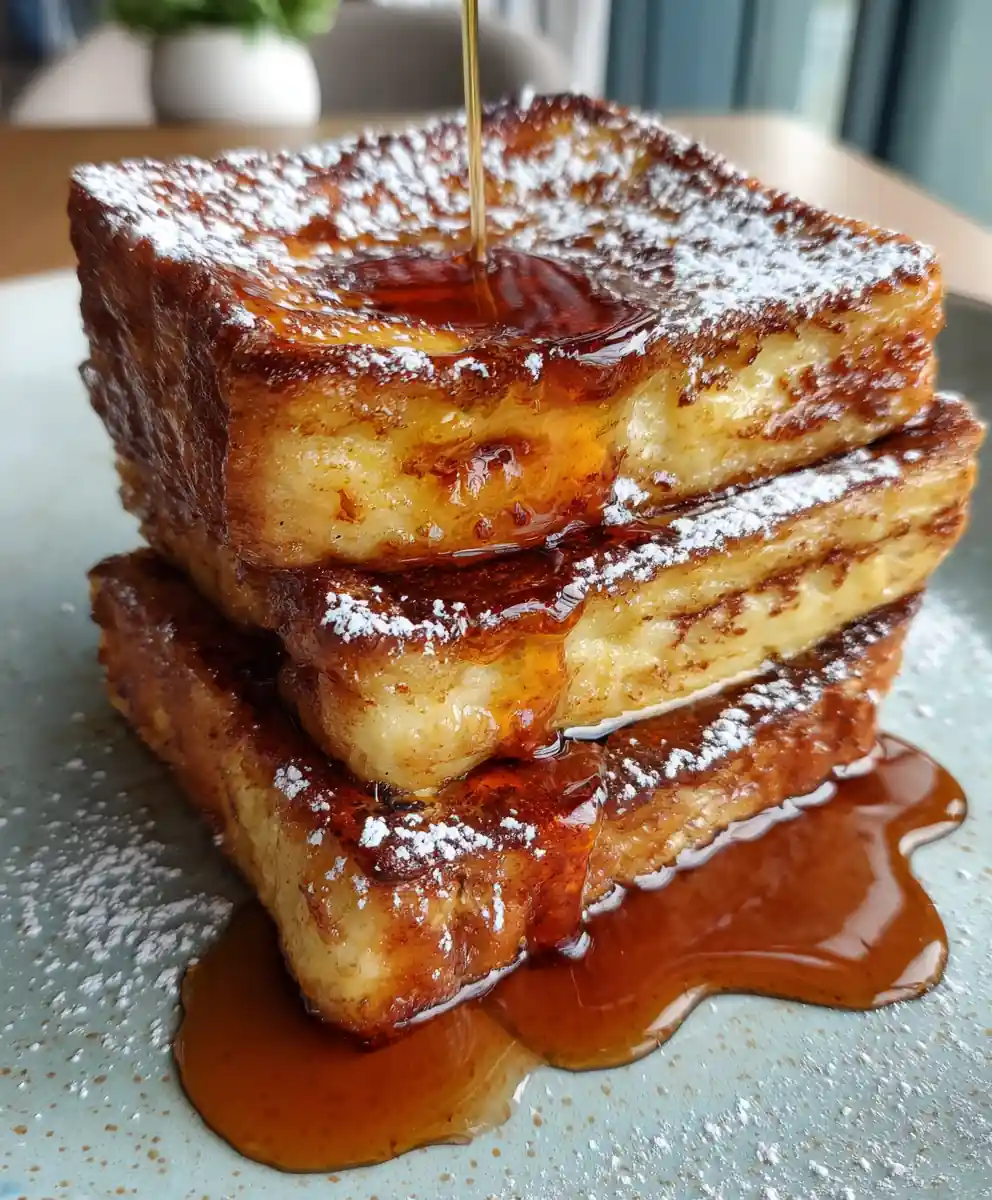
A really good french toast recipe relies heavily on the quality of the bread and the soaking process. Using thick-cut brioche or challah is essential for this recipe. A thin slice will fall apart, while a standard sandwich bread will result in a soggy middle because it can’t handle the heavy caramel batter.
Soak time is key for thick-cut bread. 20-30 seconds per side allows the custard to penetrate without turning the center to mush. A shorter soak time (10-15 seconds) is usually required for thinner bread, but for this specific recipe, ensure full saturation.
For cooking, pan temperature control is critical. Cook over medium heat, not high. High heat will burn the outside before the center cooks through and sets the custard properly. The goal is a golden brown exterior and a creamy, cooked center.
Don’t overcrowd the skillet. Cook in batches to ensure even browning and to avoid cooling down the pan too quickly. Overcrowding results in steamed toast rather than crispy, caramelized edges.
Make-Ahead and Storage Tips
For convenience and meal prep recipes, you can make a full batch of this french toast ahead of time. While you can prepare the batter ahead, it’s not recommended due to the caramel swirl. The caramel will fully dissolve if left standing too long in the egg mixture, losing the swirl effect.
For storage, cooked french toast can be frozen after cooling. Place slices on a baking sheet, freeze for an hour, then transfer to a freezer-safe bag with parchment paper between slices to prevent sticking. This makes for easy breakfasts or quick family dinners later.
Reheat frozen french toast in a toaster oven at 350°F (175°C) for 10-15 minutes, or in a regular oven for 15-20 minutes, until warmed through and crispy on the outside. Avoid the microwave, which can make the texture rubbery.
FAQs
Can I use a different type of bread for this good french toast recipe?
Yes, good alternatives include Texas toast or pain de mie, which are both sturdy and thick. Avoid thin sandwich bread or very rustic, dense loaves that won’t absorb the batter properly. This specific good french toast recipe works best with a soft, thick bread base.
How do I prevent my french toast from being soggy?
The two main causes are soaking too long and pan temperature being too low. Use thick-cut bread (at least 1 inch thick) and ensure your pan is preheated to medium before adding the slices. This specific good french toast recipe minimizes sogginess through specific soak times for thick-cut bread.
Can I make this recipe dairy-free?
Yes, use a high-quality non-dairy milk (like oat milk or cashew milk) for the batter, and use a plant-based butter alternative for the caramel and cooking. The resulting flavor and texture will be very similar to the original version.
What other toppings work well with this brown butter caramel french toast?
Fresh fruit (like sliced bananas or berries), toasted nuts (pecans or walnuts), or a dollop of whipped cream are excellent complements to the rich caramel flavor. For a truly decadent good french toast recipe, I like adding a sprinkle of sea salt to balance the sweetness.
How do I make sure the caramel stays swirled and doesn’t dissolve?
The caramel must be slightly cooled before swirling into the cold egg batter. Gently swirl just a few times; over-mixing will incorporate it fully. I find giving it just three gentle swirls with a skewer creates the perfect marble effect without losing definition in the final product.
What temperature should the french toast be when finished?
A good indication that the center is cooked through is when the internal temperature reaches 70°C (160°F). The outside will be golden brown and the center will be set, not runny.
Why did my brown butter burn?
Brown butter requires constant attention. Use a light-colored pan so you can see the color change from pale yellow to light brown. As soon as the amber flecks form and it smells nutty, remove it immediately from the heat to prevent burning.
Can I substitute granulated sugar with brown sugar in the caramel?
No, brown sugar contains molasses, which changes the caramelization process and results in a different, less desirable flavor and texture for this specific recipe. This good french toast recipe requires pure caramel for the best results.
Conclusion
This good french toast recipe with brown butter caramel swirl is a true family favorite for a reason: it elevates a simple breakfast into something truly special for family dinners. We hope you give this recipe a try this weekend and create new memories around the breakfast table; save this good french toast recipe on Pinterest for future family-friendly meals.
Print
good french toast recipe
- Total Time: 30 minutes
- Yield: 4 servings 1x
- Diet: General
Description
This good french toast recipe features thick-cut brioche or challah bread soaked in an egg batter infused with rich, nutty brown butter caramel. The technique creates a beautiful marbled pattern and results in perfectly crispy edges and a fluffy interior with decadent layers of flavor.
Ingredients
- 200 g (7 oz) thick-cut brioche or challah bread, cut into 1 inch slices
- 115 g (8 tablespoons) unsalted butter, divided
- 100 g (0.5 cup) granulated sugar
- 60 ml (0.25 cup) water
- 5 ml (1 teaspoon) alcohol-free vanilla extract, divided
- 2.5 ml (0.5 teaspoon) ground cinnamon, divided
- 1.25 ml (0.25 teaspoon) ground nutmeg
- 0.5 ml (0.125 teaspoon) ground cardamom (optional)
- 3 large eggs
- 120 ml (0.5 cup) whole milk
- 15 g (2 tablespoons) powdered sugar, for dusting
Instructions
- Prepare Brown Butter: Melt 55g unsalted butter in a small saucepan over medium heat, stirring for 5-7 minutes until foamy, then brown and nutty. Immediately transfer the browned butter to a heatproof bowl to cool slightly.
- Make Caramel Sauce: Return brown butter solids to the saucepan, add granulated sugar and water. Cook over medium-low heat, stirring until sugar dissolves. Increase heat to medium-high and boil without stirring for 5-8 minutes until deep amber.
- Finish Caramel and Reserve: Remove from heat and stir in half of the vanilla extract, half of the cinnamon, all nutmeg, and optional cardamom. Reserve 60 ml (0.25 cup) of warm caramel for drizzling later. Allow the remaining caramel in the saucepan to cool slightly.
- Prepare Egg Batter: In a shallow dish, whisk together eggs, whole milk, remaining vanilla extract, and remaining cinnamon until completely smooth.
- Create Caramel Swirl Batter: Gently pour the cooled, remaining caramel into the egg batter. Use a spoon or skewer to swirl the caramel, creating distinct ribbons and marbled patterns without fully incorporating it.
- Dip Bread: Working one slice at a time, immerse a slice of thick-cut bread into the caramel-swirled egg batter for 20-30 seconds per side. Lift to allow excess batter to drip off.
- Cook French Toast: Heat a large non-stick skillet over medium heat and melt 15 g (1 tablespoon) of the remaining unsalted butter. Cook dipped bread slices for 3-4 minutes per side until golden brown and cooked through, adding more butter as needed.
- Serve and Style: Stack warm French toast slices on a plate, generously drizzle with reheated reserved caramel sauce, and dust with powdered sugar before serving.
Notes
Use day-old thick-cut brioche or challah bread for best results; this prevents the french toast from becoming soggy during the soaking process. The recipe can be prepared ahead and frozen for easy reheating in a toaster oven. For extra decadence, serve with fresh fruit, toasted nuts, or a dollop of whipped cream.
- Prep Time: 15 minutes
- Cook Time: 15 minutes
- Category: Breakfast
- Method: Stovetop
- Cuisine: American
Nutrition
- Serving Size: 1 slice
- Calories: 525 kcal
- Sugar: 28 g
- Sodium: 100 mg
- Fat: 29 g
- Saturated Fat: 18 g
- Unsaturated Fat: 8 g
- Trans Fat: 0 g
- Carbohydrates: 52 g
- Fiber: 2 g
- Protein: 11 g
- Cholesterol: 145 mg
FREE PRINTABLE RECIPE
Get the Printable Recipe PDF (Free)
Enter your email and we’ll send you the ingredients + step-by-step instructions as a clean PDF you can save to your phone.
- ✅ Printable PDF (ingredients + steps)
- ✅ Save it to your phone (no long scrolling)
- ✅ Includes cook time + servings
- ✅ Easy to follow
FAQ
Where’s the full recipe?
It’s delivered as a printable PDF so you can save it and cook without scrolling.
I didn’t get the email.
Check Spam/Promotions and search your inbox for your site name. Then click Confirm to receive the PDF.