
I truly believe that the secret to truly restaurant-quality sushi isn’t just the fish; it’s the rice.
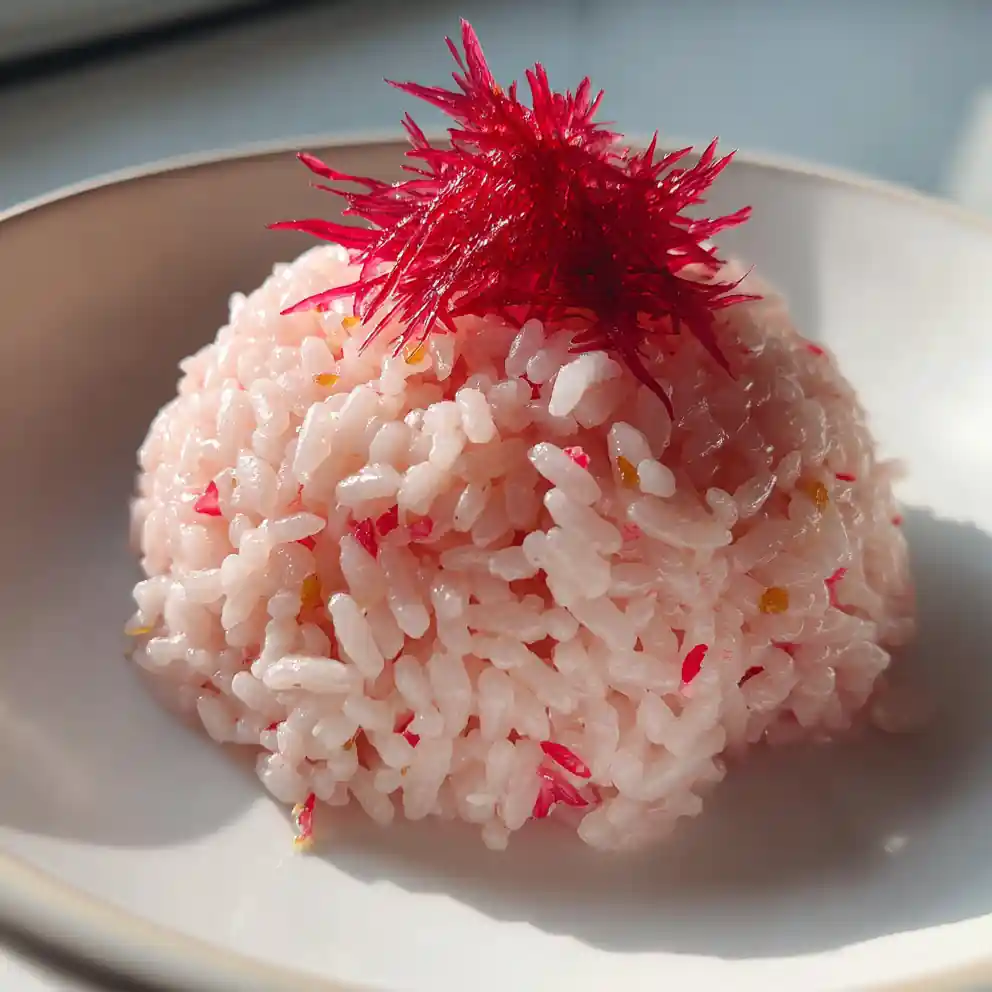
A perfectly seasoned batch of sushi rice should be glossy, slightly sticky, and full of flavor. This specific sushi rice seasoning recipe transforms your homemade sushi with a bright, subtle, and slightly fruity flavor profile. The infusion of fresh ruby shiso and bright yuzu zest gives this rice a gorgeous light pink color and complexity that beats store-bought versions. It’s a simple process that guarantees success for your next family sushi night or easy dinner idea.
Ingredients
- 750 g (3 cups) uncooked sushi rice. Use high-quality short-grain Japanese sushi rice, like Nishiki or Koshihikari. The correct starch content is essential for stickiness and texture; avoid medium-grain or jasmine rice. This recipe makes enough seasoning for approximately 9 cups of cooked rice (from 3 cups dry).
- 250 ml (1 cup) rice vinegar. Choose unseasoned rice vinegar for the best flavor control in this recipe. Do not substitute with distilled white vinegar; it is too harsh and lacks the necessary sweetness. This is the primary liquid base that carries the flavor of the seasoning mixture.
- 60 g (1/4 cup) granulated sugar. Provides essential sweetness to balance the acidity of the vinegar. Use standard white granulated sugar for a clear flavor profile. The sugar needs to fully dissolve into the hot vinegar mixture to prevent graininess.
- 10 g (2 teaspoons) fine sea salt. Enhances the overall flavor of the rice and helps balance the acidity and sweetness. Fine salt dissolves quickly in the hot liquid; avoid coarse kosher salt as it may not fully integrate. Adjust the amount slightly to personal taste, but start with the recommended measurement.
- 7 large fresh red shiso leaves, divided. The key ingredient for the unique flavor and ruby color; source fresh leaves from an Asian market. These provide notes of cinnamon, clove, and mint that perfectly complement sushi. The recipe uses 7 large leaves total: 5 minced for infusion and 2 chiffonaded for garnish.
- Zest of 1 whole yuzu (or 1 medium lemon). A bright, aromatic citrus note that complements the shiso and enhances the overall flavor. Yuzu is preferred for its complexity, but the zest of one medium lemon is a suitable substitute. Ensure you carefully avoid the bitter white pith when zesting.
Instructions
1. Rinse and Cook the Rice Properly
Rinse the uncooked sushi rice in a fine-mesh sieve under cold running water for several minutes. Continue rinsing until the water runs completely clear. This removes excess starch, resulting in distinct grains rather than a gluey mess. Cook the rice in a rice cooker or stovetop pot following the specific package instructions, then keep it warm.
2. Prepare the Shiso and Yuzu Infusion Ingredients
Wash and pat dry the fresh red shiso leaves thoroughly. Finely mince 5 leaves to release their flavor and color into the vinegar, and chiffonade the remaining 2 leaves for garnish. Carefully zest the yuzu or lemon, ensuring you only get the aromatic yellow part and avoid the bitter white pith.
3. Heat the Seasoning Base
Combine the rice vinegar, granulated sugar, and fine sea salt in a small, non-reactive saucepan. Heat gently over medium-low heat, stirring constantly until the sugar and salt are fully dissolved. Do not allow the mixture to boil; overheating changes the vinegar’s flavor profile and reduces the flavor infusion. Making your own sushi rice seasoning recipe from scratch provides a flavor advantage over store-bought options.
4. Steep the Flavor Infusion
Once dissolved, remove the mixture from the heat and stir in the minced red shiso leaves and yuzu zest. Allow the homemade sushi rice seasoning recipe to steep for 20-30 minutes at room temperature to infuse the vinegar with the shiso’s vibrant color and flavor. Keep the solids (shiso/zest) in the mixture; do not strain them out.
5. Season the Rice and Fan
Transfer the hot, freshly cooked rice to a large, wide bowl, preferably wooden or non-reactive. Pour the infused seasoning mixture over the hot rice. Using a cutting motion with a flat paddle or spatula, gently fold it in. Simultaneously, fan the rice vigorously as you mix. This helps the rice cool quickly, creates a shiny texture, and prevents gumminess. Continue mixing and fanning until the grains are shiny, each grain is evenly coated with the sushi rice seasoning recipe, and cooled to body temperature. If you find the seasoning isn’t distributing evenly, make sure you’re working with hot rice, not cold rice.
6. Garnish and Serve
Transfer the prepared rice to your serving dish, mounding it slightly. Garnish with the reserved chiffonaded red shiso leaves for a beautiful visual presentation. This specific sushi rice seasoning recipe with ruby shiso offers a beautiful presentation. Serve immediately or at room temperature; do not refrigerate before serving.
The Secret to Perfect Sushi Rice Texture (Fanning Technique)
The fanning technique is critical for achieving professional-grade sushi rice texture, which is a key component of a successful sushi rice seasoning recipe. Fanning helps the rice cool quickly, preventing it from overcooking in its own steam, which causes gumminess. It also evaporates excess moisture and coats each grain evenly with the seasoning, resulting in a glossy, shiny texture. Use a handheld fan, a piece of cardboard, or even a hair dryer set to cool to achieve this effect while mixing.
Tips for Working with Red Shiso and Yuzu Zest
Red shiso is a key flavor component in this sushi rice seasoning recipe; look for it at local Asian grocery stores or farmers’ markets during the summer months. If fresh shiso is unavailable, you can omit it, but you will lose the unique cinnamon/mint notes and the beautiful ruby color. Yuzu zest provides a bright, complex citrus note that is different from lemon; if substituting lemon, use organic to ensure a good quality zest flavor. The shiso and yuzu add a delicate aroma that elevates the entire dish beyond standard sushi.

Serving Suggestions for Ruby Shiso and Yuzu Sushi Rice
This vibrant ruby rice made with our specific sushi rice seasoning recipe is extremely versatile. Here are some family-friendly serving ideas for easy dinner ideas:
- Temaki (Hand Rolls): The delicate flavor of the seasoning doesn’t overpower other fillings, making it perfect for custom hand rolls.
- Poke Bowls: Use it as the base for a quick meal prep poke bowl, adding high-protein options like sashimi-grade fish, avocado, cucumber, and soy sauce.
- Simple Nigiri: Form simple nigiri by hand and top with tuna or salmon for a sophisticated presentation.
- Buffet Centerpiece: The beautiful color makes this rice a lovely centerpiece for a buffet or family-style meal.
FAQs for Homemade Sushi Rice Seasoning
Q: Can I make this seasoning in advance?
A: Yes, you can prepare the seasoning mixture (Steps 3 and 4) up to a week in advance. Store it in an airtight jar in the refrigerator for quick access when making family dinners. The flavors will continue to deepen as it sits.
Q: Why does my rice get sticky or gummy after seasoning?
A: This usually happens from overmixing or a lack of proper fanning during the cooling process. Avoid mashing the grains together with the spatula; use a gentle cutting motion. The rice needs to cool quickly to maintain its glossy texture, which is key to a successful sushi rice seasoning recipe.
Q: What is the ideal temperature to serve sushi rice?
A: Sushi rice should be served at room temperature or slightly above body temperature for the best flavor and texture. This allows the seasoning to shine and prevents the rice from feeling hard or overly starchy. I personally find the flavor best when it’s just barely warm.
Q: How long will seasoned sushi rice last?
A: For best quality, use seasoned sushi rice within 4 hours of preparation. Avoid storing it in the refrigerator for long periods, as it hardens and loses its glossy texture. For meal prep recipes, use this within the initial four-hour window for best results.
Q: Can I use brown rice instead of white sushi rice?
A: No, brown rice doesn’t have the proper starch content or stickiness required for sushi rice. Stick to short-grain white sushi rice for this sushi rice seasoning recipe, as the specific starches in sushi rice react differently with the seasoning to create the sticky texture needed for rolls.
Q: Can I freeze seasoned sushi rice?
A: Freezing seasoned sushi rice is not recommended. It significantly changes the texture when thawed, making it mushy and undesirable for sushi rolls. The texture is a key component of a good sushi rice seasoning recipe.
Conclusion
Making your own sushi rice seasoning recipe, especially this one with ruby shiso and yuzu, is a small effort that yields huge results in flavor and presentation. Try this unique method for your next sushi night, and be sure to save this recipe on Pinterest for quick access to easy dinner ideas later.
Print
sushi rice seasoning recipe
- Total Time: 40 minutes
- Yield: 9 cups (cooked) 1x
- Diet: Vegetarian
Description
A simple homemade sushi rice seasoning recipe that uses fresh ruby shiso and bright yuzu zest to create a glossy, flavorful, and slightly pink rice, elevating basic sushi with a complex flavor profile.
Ingredients
- 3 cups uncooked sushi rice, short-grain
- 1 cup unseasoned rice vinegar
- 1/4 cup granulated sugar
- 2 teaspoons fine sea salt
- 7 fresh large red shiso leaves, divided
- Zest of 1 yuzu or 1 medium lemon
Instructions
- Prepare Rice: Rinse the sushi rice under cold water until clear; cook according to package directions in a rice cooker or stovetop pot.
- Infuse Seasoning: In a small saucepan, combine unseasoned rice vinegar, granulated sugar, and salt. Heat gently over medium-low heat, stirring until dissolved; do not boil.
- Steep Flavors: Remove from heat and stir in 5 minced red shiso leaves and yuzu zest. Let steep for 20-30 minutes at room temperature to infuse color and flavor.
- Season Rice: Transfer the hot, cooked rice to a large bowl. Pour the seasoning mixture over the rice, gently folding with a cutting motion. Simultaneously fan the rice vigorously to cool it quickly and ensure a shiny texture.
- Garnish and Serve: Garnish the prepared rice with the reserved chiffonaded red shiso leaves and serve at room temperature immediately.
Notes
For best results, rinse rice thoroughly to remove excess starch before cooking. Use a cutting motion when mixing the seasoning into hot rice, avoiding mashing. Fan vigorously while mixing to cool the rice quickly and achieve a glossy texture.
- Prep Time: 20 minutes
- Cook Time: 20 minutes
- Category: Side Dish
- Method: Stirring, Seasoning
- Cuisine: Japanese
Nutrition
- Serving Size: 1 cup
- Calories: 220 kcal
- Sugar: 5 g
- Sodium: 1100 mg
- Fat: 0 g
- Saturated Fat: 0 g
- Unsaturated Fat: 0 g
- Trans Fat: 0 g
- Carbohydrates: 45 g
- Fiber: 1 g
- Protein: 4 g
- Cholesterol: 0 mg
FREE PRINTABLE RECIPE
Get the Printable Recipe PDF (Free)
Enter your email and we’ll send you the ingredients + step-by-step instructions as a clean PDF you can save to your phone.
- ✅ Printable PDF (ingredients + steps)
- ✅ Save it to your phone (no long scrolling)
- ✅ Includes cook time + servings
- ✅ Easy to follow
FAQ
Where’s the full recipe?
It’s delivered as a printable PDF so you can save it and cook without scrolling.
I didn’t get the email.
Check Spam/Promotions and search your inbox for your site name. Then click Confirm to receive the PDF.