
I’m always looking for ways to elevate a simple weeknight meal, and this roasted chicken recipe has become a family favorite. The moment it comes out of the oven, the aroma of bright lemon and tangy sumac fills the kitchen, promising juicy meat and crispy skin.
This recipe simplifies the process of making a truly flavorful whole chicken by focusing on a compound butter technique that works like magic, even on busy weeknights when I’m short on time. We’ll show you how to get perfectly crispy skin and incredibly moist meat by using a simple technique: spreading a flavorful compound butter under the skin. The combination of tangy sumac, bright lemon zest, and fresh herbs creates an aromatic crust that elevates this simple dish to something truly special. Skip the bland, dry chicken and get ready for a family favorite that’s juicy from the inside out, complete with a rich pan sauce.
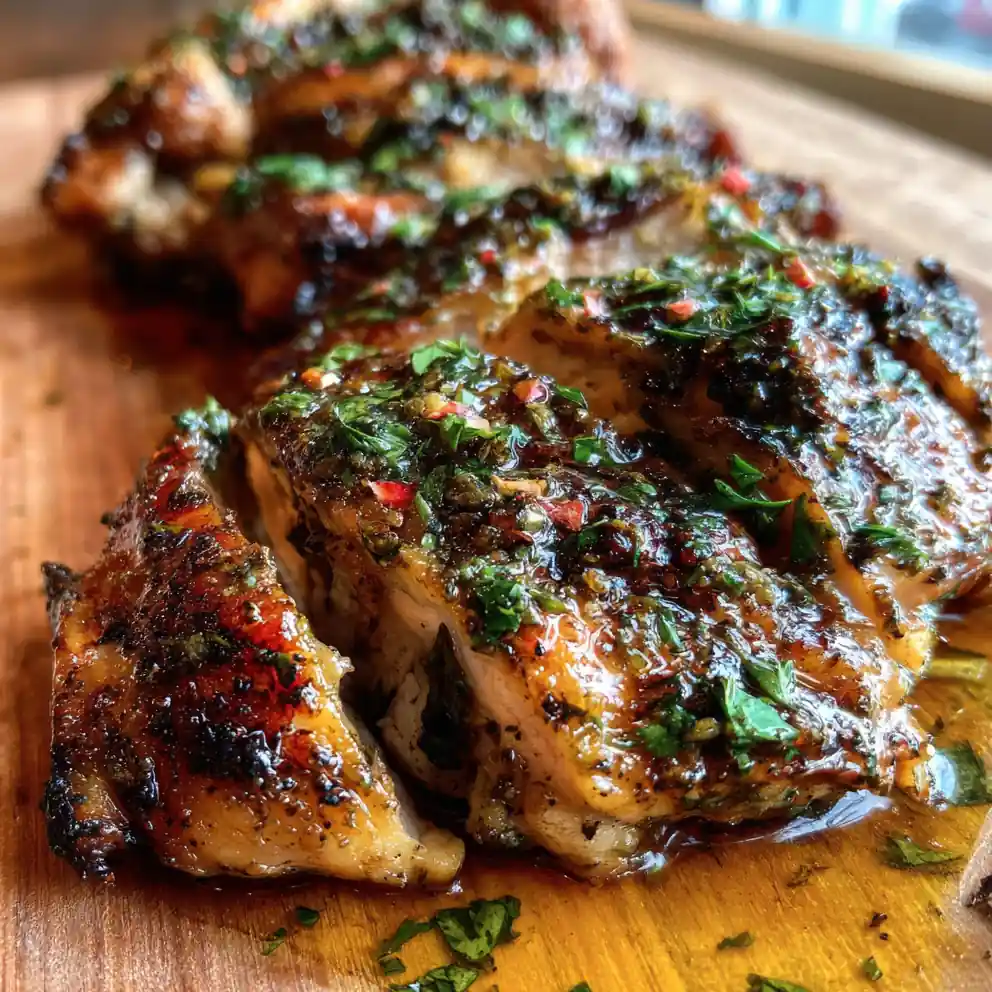
Ingredients
- 1.6 kg (3.5 lb) whole chicken: Choose this size for a typical family meal; ensure it is fully thawed and pat dry before starting. Check the internal cavity for giblets; removing these before roasting is essential for even cooking. This size typically serves 4-6 people, but larger birds (up to 2 kg) will work by adjusting cooking time accordingly.
- 115 g (1/2 cup) unsalted butter, softened: Use unsalted butter so you can control the salt level yourself; make sure it is softened to room temperature so it can be easily spread under the skin. This butter will melt directly into the meat, infusing the chicken with flavor and keeping it moist; avoid using hard, cold butter as it will tear the skin.
- 4 cloves garlic, minced: Use fresh garlic for the best flavor; mince finely so it distributes evenly in the butter mixture. If you don’t have fresh garlic, you can substitute 1 teaspoon of garlic powder, but the flavor won’t be as robust.
- 15 g (1 tablespoon) ground sumac: This is the star ingredient; sumac adds a tangy, slightly acidic, and fruity flavor that complements chicken perfectly. Find sumac in the spice section of most grocery stores or Middle Eastern markets; it provides a unique flavor profile different from lemon or vinegar.
- 1 lemon, zested and halved: Zest the whole lemon for intense aromatic oils in the butter mixture; cut the lemon in half and place the halves in the chicken cavity during roasting. The lemon halves steam from the inside, contributing to the chicken’s internal moisture and flavor; avoid using bottled lemon juice, as it lacks the necessary zest oils.
- 30 g (1/4 cup, packed) fresh parsley, finely chopped: Fresh parsley adds a bright, slightly grassy note; use flat-leaf parsley for a stronger flavor. Finely chop the herbs so they blend seamlessly into the compound butter and distribute evenly under the skin.
- 30 g (1/4 cup, packed) fresh cilantro, finely chopped: Cilantro provides a fresh, citrusy flavor that pairs well with the sumac; ensure the leaves are washed and dried before chopping. If you dislike cilantro, you can substitute with extra parsley or fresh oregano, but the overall flavor profile will change.
- 7.5 mL (1/2 tablespoon) salt and 2.5 mL (1/2 teaspoon) black pepper: Use kosher salt for best results; adjust seasoning to taste as a final step. The salt and pepper provide the basic seasoning foundation for both the butter rub and the outside of the chicken.
- 30 mL (2 tablespoons) olive oil: Drizzle over the exterior of the chicken to help achieve a crispy, golden-brown skin. Any neutral cooking oil can be used here; avoid oils with strong flavors like extra virgin olive oil for roasting.
- 240 mL (1 cup) vegetable broth: Used to create the pan sauce; vegetable broth adds a layer of savory flavor to the pan drippings. Chicken broth can be substituted for vegetable broth for a more intense chicken flavor; ensure it’s low-sodium to control the salt content.
- 5 g (1 teaspoon) cornstarch (optional, for sauce): Used to thicken the pan sauce if desired; mix it with cold water to form a slurry first. A slurry ensures the sauce thickens without lumps; if you prefer a thinner, au jus-style sauce, omit this ingredient.
- 30 mL (2 tablespoons) cold water (optional, for slurry): Used to dissolve the cornstarch; cold water prevents immediate clumping when mixing the slurry.
- Fresh herb sprigs (for cavity): A few sprigs of parsley or cilantro to place inside the chicken cavity for extra aroma during cooking.
Instructions
Here are the steps to make this delicious roasted chicken recipe, ensuring a juicy, flavor-packed result every time.
- Prep the Chicken and Oven: Preheat oven to 220°C (425°F). Remove the chicken from packaging, take out giblets, and pat the chicken very dry inside and out using paper towels; this step is critical for developing crispy skin. Place the chicken on a roasting rack set over a sturdy roasting pan.
- Make the Sumac-Lemon Herb Butter: In a small bowl, combine the softened butter, minced garlic, 1 tablespoon ground sumac, lemon zest, chopped parsley, and chopped cilantro. Add 1/2 tablespoon salt and 1/2 teaspoon black pepper to the mixture; mix thoroughly until all ingredients are fully incorporated and evenly distributed.
- Apply Butter Under the Skin: Using your fingers, carefully loosen the skin over the chicken breasts and thighs, being careful not to tear it. Take about two-thirds of the sumac-lemon herb butter mixture and gently spread it evenly under the skin over the breast and thigh meat. This technique ensures the meat stays juicy and gets directly infused with flavor as the butter melts.
- Finish Prepping for Roasting: Rub the remaining butter mixture all over the outside of the chicken skin; drizzle with 2 tablespoons of olive oil. Season generously with additional salt and black pepper over the exterior; place the halved lemon and fresh herb sprigs inside the chicken cavity. If desired, tie the chicken legs together with kitchen twine to ensure even cooking and a neater presentation.
- Roast the Chicken: Place the roasting pan in the preheated oven and roast at 220°C (425°F) for 15-20 minutes, or until the skin begins to turn golden brown and crisp up. Reduce the oven temperature to 190°C (375°F) and continue roasting for an additional 45-60 minutes, or until a meat thermometer inserted into the thickest part of the thigh reads 74°C (165°F). If the skin starts to darken too quickly during the low-heat stage, loosely tent with aluminum foil to prevent burning. Baste the chicken every 20-30 minutes with the pan drippings to keep it moist and infuse more flavor.
- Rest and Make Sauce: Once cooked, transfer the roasted chicken to a cutting board; tent loosely with foil and let it rest for 10-15 minutes. While the chicken rests, prepare the pan sauce by removing the roasting rack and skimming off excess fat from the pan drippings, leaving about 2 tablespoons of fat and all the browned bits. Place the pan over medium heat on the stovetop, add the vegetable broth, and scrape up all the browned bits (fond) from the bottom of the pan, bringing the sauce to a simmer.
- Thicken and Serve: To thicken the sauce, whisk together 1 teaspoon cornstarch and 2 tablespoons cold water in a small bowl to form a slurry; pour the slurry into the simmering broth and whisk constantly until slightly thickened. Carve the rested chicken into pieces and arrange on a platter; drizzle the pan sauce over the carved chicken and garnish with fresh herbs and a light dusting of extra ground sumac for a vibrant finish.
The Two-Stage Roasting Secret to Tender Chicken and Crispy Skin
The secret to this succulent roasted chicken recipe lies in a simple two-stage roasting technique. We start with high heat (220°C / 425°F) for the first 15-20 minutes. This initial burst of heat is essential for quickly crisping up the skin, creating that appealing golden-brown color and locking in the juices. After the skin sets, we reduce the temperature to 190°C (375°F) to finish cooking. The lower temperature allows the chicken to cook through gently without drying out the delicate breast meat, ensuring a juicy, tender result every time. Always verify doneness by checking the internal temperature of the thigh, aiming for 74°C (165°F) to ensure food safety and perfect texture.
Serving Suggestions and Pairings for This Recipe
This vibrant roasted chicken recipe pairs beautifully with a variety of side dishes, perfect for creating easy dinner ideas for the family. Because of its bright, citrusy flavor, I especially love serving it alongside Mediterranean-inspired sides. Fluffy couscous mixed with diced cucumber and tomato makes a light and refreshing complement. For something heartier, roasted potatoes or creamy mashed potatoes are great for soaking up every drop of the rich pan sauce. If you’re looking for a low-carb option, a simple green salad with a lemon-tahini dressing works perfectly.
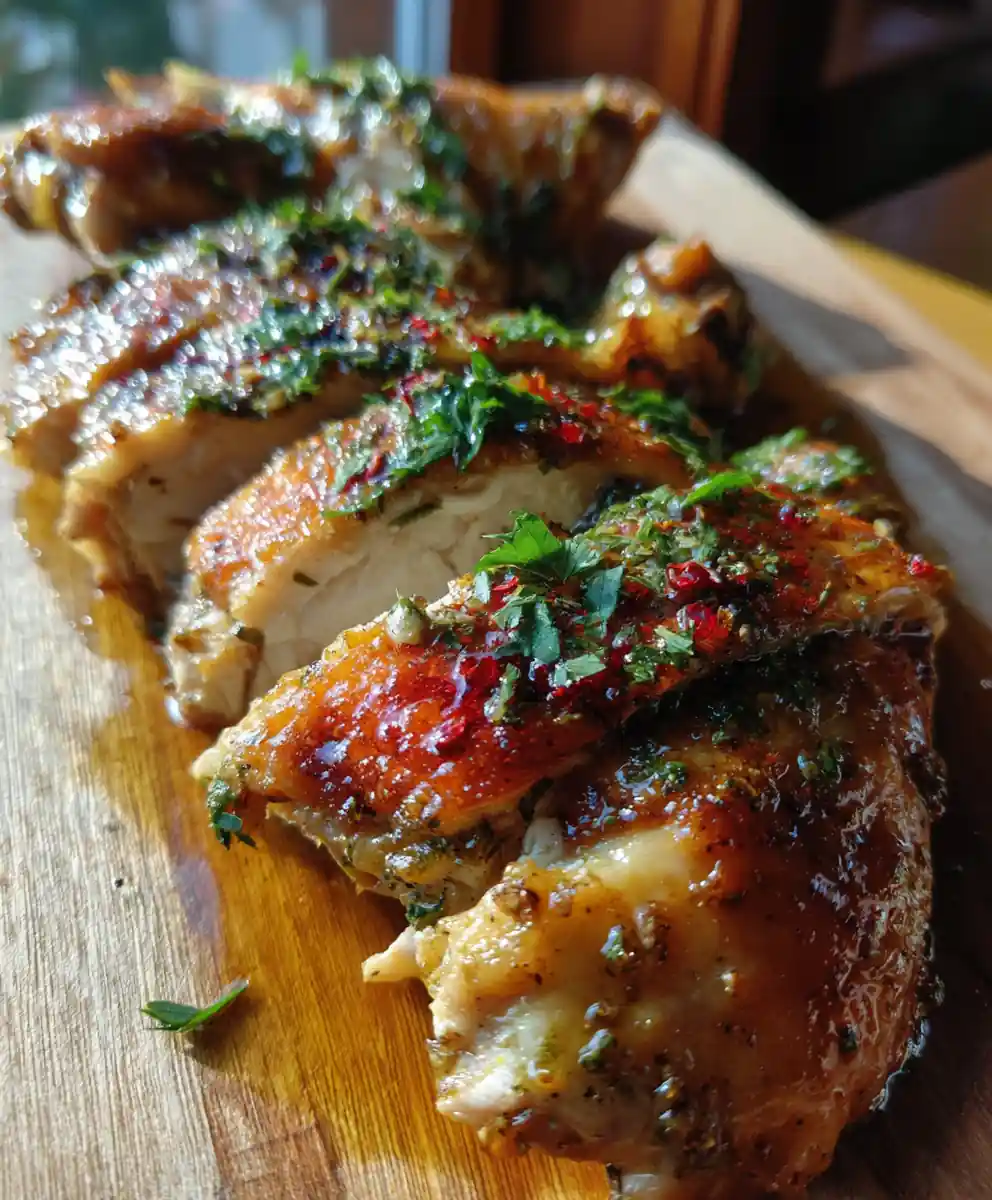
How to Make a Simple Pan Sauce from Scratch
The pan sauce is a critical step in making this roasted chicken recipe complete. It utilizes the “fond”—the browned bits and drippings at the bottom of the roasting pan. After removing the chicken, skim off any excess fat from the pan. Place the pan directly on the stovetop over medium heat and pour in the vegetable or chicken broth. Use a wooden spoon to scrape up all those flavorful browned bits, incorporating them into the liquid. To create a thicker gravy consistency, mix cornstarch with cold water in a small bowl to form a slurry, then whisk it into the simmering broth until slightly thickened. This simple process transforms basic drippings into a flavorful, high-protein sauce.
FAQs
What is sumac and where can I buy it?
Sumac is a deep red spice with a tangy, slightly acidic, and fruity flavor. It’s essential for this roasted chicken recipe’s unique taste. Look for it in the spice aisle of well-stocked supermarkets or in Middle Eastern grocery stores. It’s an ingredient worth keeping in your pantry for adding a bright pop of flavor to many dishes.
Can I use dried herbs instead of fresh?
Fresh herbs are best for flavor and aroma, especially when blended with butter and rubbed under the skin. However, you can substitute dried herbs if necessary, but remember to adjust the quantity. Use 1/3 the amount of dried herbs compared to fresh (e.g., use 1 teaspoon of dried herbs for every 1 tablespoon of fresh).
How do I get crispy skin every time?
The most important step for crispy skin is making sure the chicken is completely dry before you season it. Pat the chicken thoroughly with paper towels inside and out, then rub it with oil and salt. Also, avoid covering the chicken during the final stages of roasting, and ensure your oven rack is high enough for proper air circulation around the bird.
How do I know when the chicken is done?
The most reliable way is to use a meat thermometer. Insert the probe into the thickest part of the thigh, making sure to avoid hitting the bone. The internal temperature should reach 74°C (165°F). For meal prep recipes like this, checking the temperature ensures safety and ideal texture for your roasted chicken recipe.
Why should I let the chicken rest after roasting?
Resting allows the internal juices to redistribute throughout the meat. If you carve it too early, the juices will run out onto the cutting board, leaving you with dry chicken. For this roasted chicken recipe, rest the bird for 10-15 minutes, tented loosely with foil, for the juiciest results.
Can I make this with bone-in chicken pieces instead of a whole chicken?
Yes, you can use bone-in, skin-on pieces like breasts and thighs for this method. The process works well, but you must significantly reduce the cooking time. Chicken pieces typically cook in 30-40 minutes at the lower temperature; check each piece individually with a thermometer to ensure doneness.
Conclusion
This sumac-lemon herb butter roasted chicken recipe truly delivers on flavor and tenderness, making it one of my go-to healthy dinner ideas for a simple weeknight meal. The technique of placing the herb butter under the skin infuses the meat with a vibrant citrus tang, while the two-stage roasting method guarantees crispy skin every time. Make sure to save this recipe to your Pinterest board for later, so you can easily pull it up next time you need an impressive meal that feels like comfort food.
Print
roasted chicken recipe
- Total Time: 100 minutes
- Yield: 6 servings 1x
- Diet: General
Description
This roasted chicken recipe uses a compound butter technique with sumac and lemon zest to create juicy meat and crispy skin, perfect for a weeknight meal.
Ingredients
- 3.5 lb whole chicken
- 0.5 cup unsalted butter, softened
- 4 cloves garlic, minced
- 1 tablespoon ground sumac
- 1 lemon, zested and halved
- 0.25 cup fresh parsley, finely chopped
- 0.25 cup fresh cilantro, finely chopped
- 0.5 tablespoon salt
- 0.5 teaspoon black pepper
- 2 tablespoons olive oil
- 1 cup vegetable broth
- 1 teaspoon cornstarch, optional (for sauce)
- 2 tablespoons cold water, optional (for slurry)
- Fresh herb sprigs (for cavity)
Instructions
- Prep Chicken and Preheat Oven: Preheat oven to 425°F (220°C). Remove the chicken from packaging, take out giblets, and pat the chicken very dry inside and out using paper towels. Place the chicken on a roasting rack set over a roasting pan.
- Make Sumac-Lemon Herb Butter: In a small bowl, combine the softened butter, minced garlic, ground sumac, lemon zest, chopped parsley, chopped cilantro, salt, and black pepper; mix thoroughly until all ingredients are incorporated.
- Apply Butter Under the Skin: Using your fingers, carefully loosen the skin over the chicken breasts and thighs, being careful not to tear it. Take about two-thirds of the compound butter mixture and gently spread it evenly under the skin over the breast and thigh meat.
- Finish Prepping for Roasting: Rub the remaining butter mixture all over the outside of the chicken skin; drizzle with olive oil. Season generously with additional salt and black pepper over the exterior; place the halved lemon and fresh herb sprigs inside the chicken cavity. If desired, tie the chicken legs together with kitchen twine.
- Roast the Chicken: Place the roasting pan in the preheated oven and roast at 425°F (220°C) for 15-20 minutes, or until the skin begins to turn golden brown. Reduce the oven temperature to 375°F (190°C) and continue roasting for an additional 45-60 minutes, or until a meat thermometer inserted into the thickest part of the thigh reads 165°F (74°C). Baste the chicken every 20-30 minutes with pan drippings.
- Rest and Make Sauce: Once cooked, transfer the roasted chicken to a cutting board; tent loosely with foil and let it rest for 10-15 minutes. While the chicken rests, prepare the pan sauce by removing the roasting rack and skimming off excess fat from the pan drippings. Place the pan over medium heat on the stovetop, add the vegetable broth, and scrape up all the browned bits (fond) from the bottom of the pan, bringing the sauce to a simmer.
- Thicken and Serve: To thicken the sauce, whisk together cornstarch and cold water in a small bowl to form a slurry; pour the slurry into the simmering broth and whisk constantly until slightly thickened. Carve the rested chicken into pieces and serve with the pan sauce, garnished with fresh herbs and a light dusting of extra ground sumac.
Notes
To achieve crispy skin, pat the chicken completely dry before applying the butter and olive oil. If the skin begins to darken too quickly during roasting, loosely tent the chicken with aluminum foil. For dietary adjustments, substitute fresh oregano for cilantro.
- Prep Time: 15 minutes
- Cook Time: 70 minutes
- Category: Main Course
- Method: Baking
- Cuisine: Mediterranean
Nutrition
- Serving Size: 1 serving (approx. 200 g)
- Calories: 450 calories
- Sugar: 1 g
- Sodium: 550 mg
- Fat: 32 g
- Saturated Fat: 11 g
- Unsaturated Fat: 15 g
- Trans Fat: 0 g
- Carbohydrates: 3 g
- Fiber: 1 g
- Protein: 38 g
- Cholesterol: 130 mg
FREE PRINTABLE RECIPE
Get the Printable Recipe PDF (Free)
Enter your email and we’ll send you the ingredients + step-by-step instructions as a clean PDF you can save to your phone.
- ✅ Printable PDF (ingredients + steps)
- ✅ Save it to your phone (no long scrolling)
- ✅ Includes cook time + servings
- ✅ Easy to follow
FAQ
Where’s the full recipe?
It’s delivered as a printable PDF so you can save it and cook without scrolling.
I didn’t get the email.
Check Spam/Promotions and search your inbox for your site name. Then click Confirm to receive the PDF.