
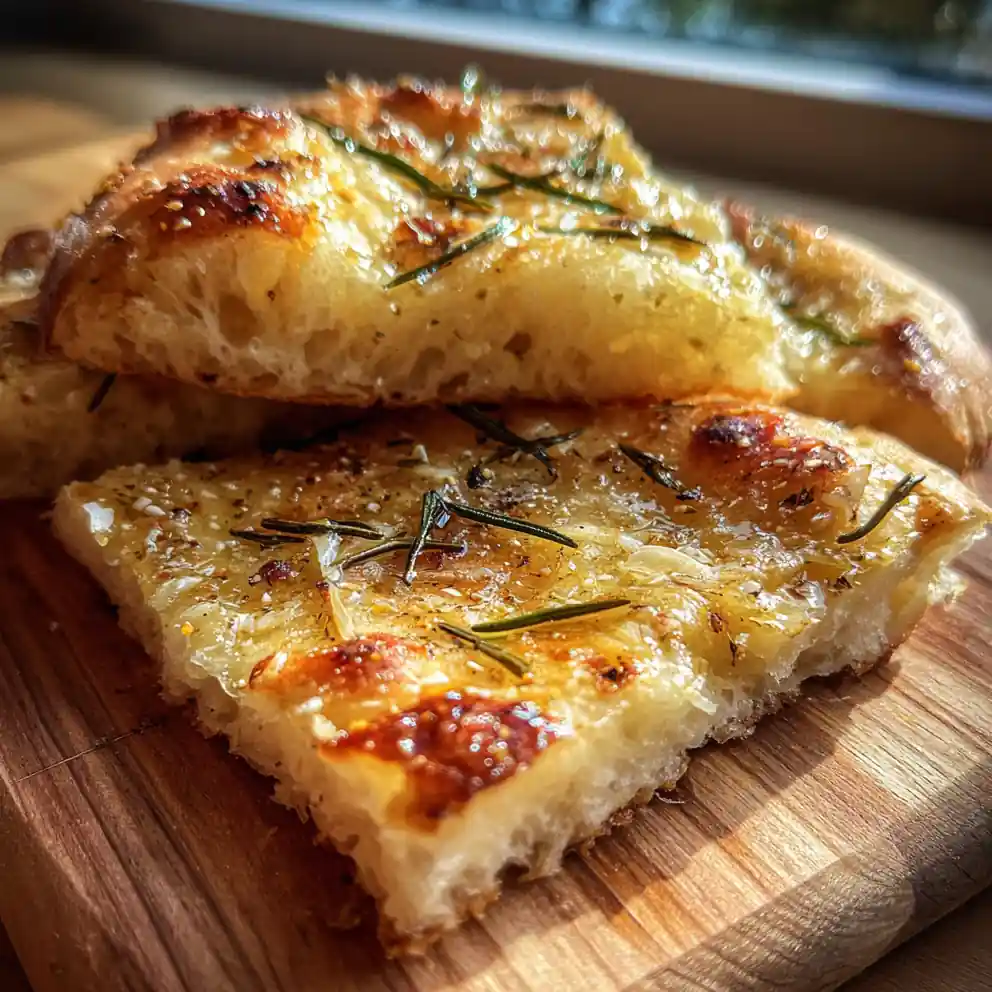
I truly believe that the secret to a perfect pizza night isn’t just the toppings; it’s the crust itself. This homemade pizza crust recipe transforms a standard base into an aromatic, flavor-infused centerpiece using simple roasted garlic and fresh rosemary. Forget boring store-bought dough; this easy recipe takes a little extra time but delivers a major flavor payoff that will make your family ask for seconds. It’s designed for new home bakers, providing reliable steps to create a perfect texture every time for a family-friendly meal. Get ready to elevate your pizza game with this hearty, flavorful homemade pizza crust recipe.
Ingredients
- 360 ml (1.5 cups) warm water (105-115°F / 40-46°C)
The warm water activates the yeast; if it’s too hot, it kills the yeast, and if too cold, it delays activation. For best results, use a kitchen thermometer to ensure accuracy before mixing. - 7 g (2.25 teaspoons) instant dry yeast
Instant yeast can be mixed directly with the flour, but here we proof it first with sugar to ensure it’s active and ready to work. Ensure your yeast hasn’t expired for a proper rise. - 10 g (2 teaspoons) granulated sugar
Feeds the yeast during the proofing process, helping it to become active and bubbly. A small amount is necessary for the initial activation, but the dough itself won’t taste sweet. - 480 g (4 cups) bread flour, plus more for dusting
Bread flour has a higher protein content than all-purpose flour, resulting in a chewier, more authentic pizza crust texture. You can substitute all-purpose flour in a pinch, but the final texture may be less elastic and slightly softer. - 10 g (1.5 teaspoons) fine sea salt
Salt balances the flavor of the yeast and controls its activity while strengthening the gluten structure. Use fine sea salt or kosher salt; avoid iodized table salt which can impart a metallic flavor. - 60 ml (4 tablespoons) extra virgin olive oil, divided
Used to infuse the garlic and rosemary, add richness to the dough, and prevent sticking during the final rise. A high-quality extra virgin olive oil enhances the final flavor profile significantly. - 8 medium garlic cloves, peeled
The star of the infusion, roasted until soft and sweet to add a savory depth to the dough. Avoid substituting garlic powder here; the fresh, roasted flavor is essential to this specific homemade pizza crust recipe. - 2 sprigs fresh rosemary, plus 1 tablespoon finely chopped fresh rosemary for the dough, and 1 teaspoon for garnish
Fresh rosemary provides a vibrant, piney aroma that complements the roasted garlic. Do not substitute dried rosemary; it’s too potent and lacks the fresh oil necessary for the infusion process. - Flaky sea salt, for garnish
A finishing touch to enhance the crispy edges and provide visual appeal right before serving. Sprinkle lightly over the crust after baking, but before adding toppings, for the best effect.
Instructions
Step 1: Prepare the Roasted Garlic and Rosemary Infusion
Preheat your oven to 175°C (350°F). In a small, oven-safe dish, combine the 8 peeled garlic cloves, 2 fresh rosemary sprigs, and 30 ml (2 tablespoons) of the extra virgin olive oil. Roast for 20-25 minutes, or until the garlic cloves are tender and lightly golden; they should be soft enough to easily mince. Remove from the oven, allow it to cool slightly, then finely mince the roasted garlic cloves; set aside the infused oil and rosemary sprigs for later use.
Step 2: Activate the Yeast
In a large mixing bowl, whisk together the warm water, instant dry yeast, and granulated sugar. Let the mixture sit for 5-7 minutes, undisturbed, until a foamy layer forms on top. This foaming indicates that the yeast is active and ready to leaven the dough; if it doesn’t foam, your water may have been too cold or too hot, or your yeast is expired.
Step 3: Combine Dough Ingredients
In a separate large bowl, combine the bread flour and fine sea salt; gradually add the yeast mixture to the dry ingredients. Pour in the remaining 30 ml (2 tablespoons) of uninfused extra virgin olive oil, along with the minced roasted garlic and 1 tablespoon of finely chopped fresh rosemary. Mix with a wooden spoon or your hands until a shaggy dough forms and all the flour is incorporated.
Step 4: Knead and Develop Gluten
Turn the shaggy dough out onto a lightly floured work surface; knead the dough continuously for 8-10 minutes. Kneading develops the gluten structure, resulting in a smooth, elastic dough that springs back when poked. The roasted garlic pieces and rosemary flecks should be evenly distributed throughout the dough by the time kneading is complete. This kneading results in a beautifully textured homemade pizza crust recipe base.
Step 5: First Rise (Bulk Fermentation)
Lightly grease a clean large bowl with a small amount of the reserved infused olive oil (from Step 1). Place the dough in the greased bowl, turning it once to coat, then cover with plastic wrap or a clean kitchen towel. Let the dough rise in a warm spot for 1-1.5 hours, or until it has doubled in size; this process builds flavor and creates air pockets. If you’re in a rush, a great shortcut I use is placing the bowl in a slightly warmed oven (just turned off) to speed up the rise by about 30 minutes.
Step 6: Shape the Dough and Final Rest
Gently punch down the risen dough to release the air and transfer it to a lightly floured surface. Shape the dough into a round or rectangle (depending on your desired pizza shape) by stretching and patting it out. Transfer the shaped dough to a pizza stone or baking sheet lined with parchment paper and let it rest for another 10-15 minutes while you prepare toppings.
Step 7: Bake the Crust
Preheat your oven to 230°C (450°F) for at least 30 minutes with the pizza stone or baking sheet inside if using for a crispy crust. Before adding toppings, lightly brush the surface of the dough with the reserved roasted garlic-rosemary infused olive oil (from Step 1). Bake the homemade pizza crust recipe for 8-10 minutes if par-baking before adding toppings, or follow your full pizza recipe’s baking instructions if adding toppings now.
Step 8: Finishing Touches
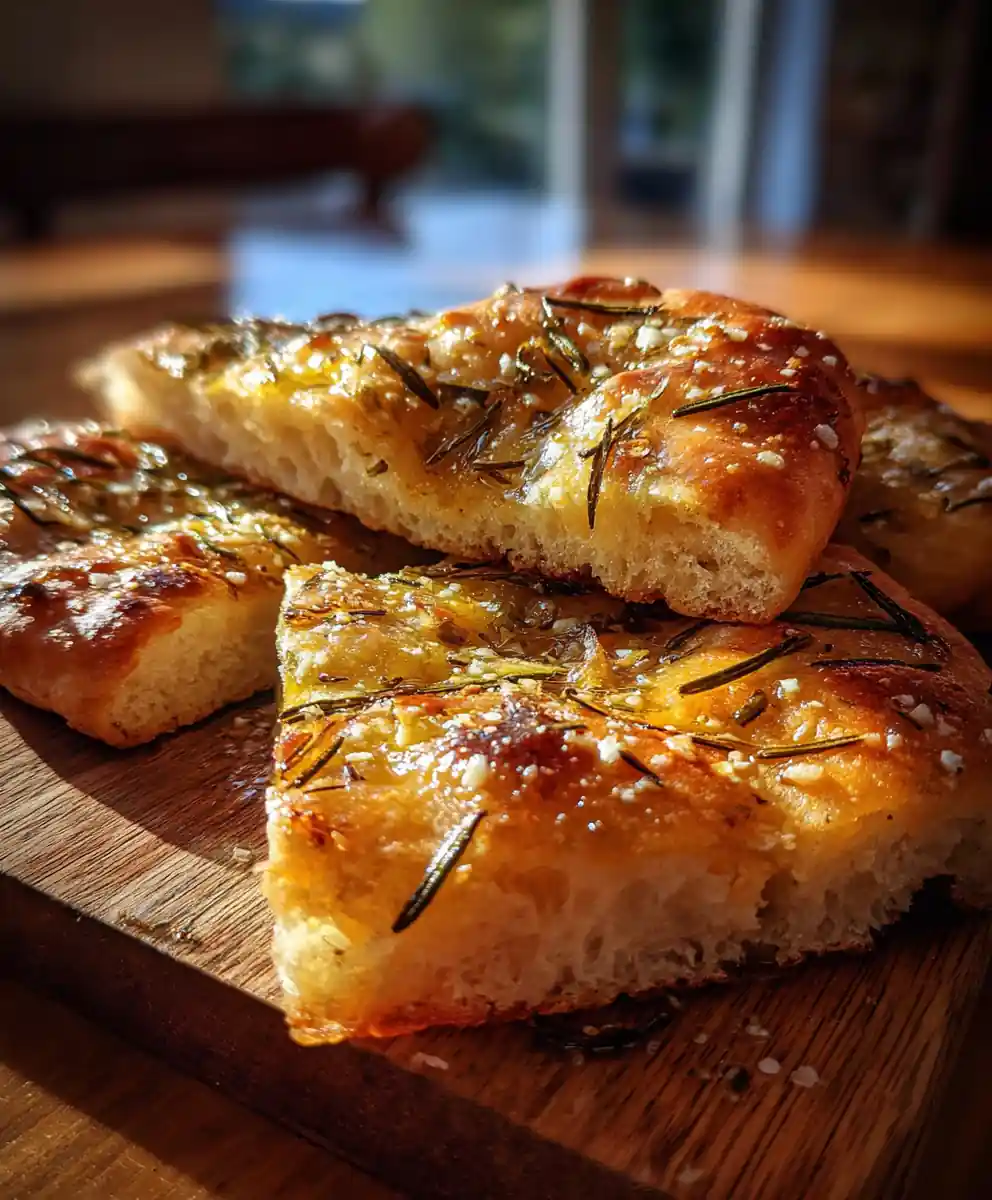
Once baked to a golden-brown with crisp edges, carefully remove the pizza from the oven. For serving as a base, slice immediately and arrange on a rustic wooden board or dark ceramic serving plate. Drizzle lightly with a touch more of the reserved roasted garlic-rosemary infused olive oil, scatter 1 teaspoon of fresh rosemary leaves, and a pinch of flaky sea salt for an aromatic and visually appealing finish.
Make-Ahead Tips for Easy Pizza Night
This homemade pizza crust recipe is perfect for meal prep, making it easier to serve up quick, family-friendly dinners. Preparing the dough in advance cuts down on active cooking time on busy weeknights, moving from a multi-hour project to a quick assembly job.
- To Refrigerate: After the first rise, punch the dough down lightly and place it in an airtight container in the refrigerator for up to 3 days. Let it sit at room temperature for 30 minutes before shaping to ensure a proper final rise.
- To Freeze: After the first rise, punch the dough down and divide it into individual portions (usually one portion per pizza). Wrap each portion tightly in plastic wrap, then place in a freezer-safe bag. Store for up to 3 months. Thaw frozen dough overnight in the refrigerator before use.
Troubleshooting Common Pizza Crust Problems
Even experienced home bakers run into issues. Here’s how to fix common problems when making this homemade pizza crust recipe:
- The Dough Didn’t Rise Enough: This usually indicates an issue with the yeast. Ensure your water temperature was correct (not too hot or cold) and that the yeast wasn’t expired. Make sure your rising spot is warm and draft-free.
- The Dough Is Too Sticky to Handle: If the dough clings excessively to your hands during kneading, add a small amount of extra flour (a tablespoon at a time) until it becomes smooth and manageable.
- The Crust Is Dense or Tough: This can happen if you used too much flour or over-kneaded the dough (over-developing the gluten). Ensure you measure flour accurately, preferably by weight, and stop kneading as soon as the dough becomes smooth and elastic. I’ve found that a heavy hand on the flour scale is the main enemy of a light crust, so I always use my digital scale for accuracy when making this specific homemade pizza crust recipe for family dinner.
- The Crust Is Soggy in the Middle: A soggy crust often happens if you use too many high-moisture toppings (like fresh mozzarella or tomatoes). Par-baking the crust first (Step 7) before adding toppings helps tremendously.
FAQs
Can I use all-purpose flour instead of bread flour for this recipe?
While bread flour yields a superior chew and texture due to its higher protein content, you can use all-purpose flour. Expect a slightly softer, less elastic homemade pizza crust if you make this substitution.
How do I get a crispy homemade pizza crust?
For a crispy crust, bake on a preheated pizza stone or baking steel at a high temperature (450°F / 230°C). Par-baking (baking without toppings first) also helps ensure a crisp bottom before adding toppings.
How long should I let the dough rest before baking?
After shaping, allow the dough to rest on the pan for 10-15 minutes (called a final proof) to allow the gluten to relax. This prevents the dough from shrinking back and ensures easier stretching.
Can I skip the roasted garlic step to save time?
The roasted garlic infusion is the unique feature of this homemade pizza crust recipe. While you could omit it, the crust will lose significant flavor and character; it’s recommended to include this step.
Can I substitute dried rosemary for fresh rosemary?
No, dried rosemary is much stronger and lacks the essential oils needed for the infusion. The roasted garlic and fresh rosemary combination is critical here; use fresh herbs only for the best aromatic results.
What is a good way to store leftover dough?
Store leftover dough tightly wrapped in plastic in the refrigerator for up to 3 days for easy dinner ideas later in the week. It can also be frozen for longer storage. I always freeze my leftover dough in smaller portions, which makes it easier to pull out just enough for a single serving or small family pizza.
Conclusion
Making homemade pizza crust is truly rewarding, and infusing it with roasted garlic and rosemary elevates the experience to new heights. Try making a double batch this weekend; use one for pizza night and freeze the other portion of this homemade pizza crust recipe for a quick meal later in the week for easy family dinners. Save this recipe on Pinterest so you can find it for all your future meal planning.
Print
homemade pizza crust recipe
- Total Time: 140 minutes
- Yield: 1 large pizza crust (6 servings) 1x
- Diet: Vegetarian
Description
This recipe creates an aromatic, flavor-infused pizza crust by incorporating roasted garlic and fresh rosemary directly into the dough. It requires kneading and rising time but yields a chewy texture and savory flavor far superior to store-bought dough.
Ingredients
- 1.5 cups warm water (105-115°F)
- 2.25 teaspoons instant dry yeast
- 2 teaspoons granulated sugar
- 4 cups bread flour, plus more for dusting
- 1.5 teaspoons fine sea salt
- 4 tablespoons extra virgin olive oil, divided
- 8 medium garlic cloves, peeled
- 2 sprigs fresh rosemary
- 1 tablespoon fresh rosemary, finely chopped
- 1 teaspoon fresh rosemary, for garnish
- Flaky sea salt, for garnish
Instructions
- Prepare Garlic Infusion: Preheat oven to 350°F (175°C). Combine garlic cloves, 2 fresh rosemary sprigs, and 2 tablespoons olive oil in a small, oven-safe dish. Roast for 20-25 minutes, or until the garlic cloves are tender. Mince the roasted garlic and set aside the infused oil and rosemary sprigs.
- Activate Yeast: In a large mixing bowl, whisk together the warm water, instant dry yeast, and granulated sugar. Let the mixture sit for 5-7 minutes until a foamy layer forms on top.
- Mix Dough Ingredients: In a separate large bowl, combine the bread flour and fine sea salt. Gradually add the yeast mixture to the dry ingredients, along with the remaining 2 tablespoons uninfused olive oil, the minced roasted garlic, and 1 tablespoon finely chopped fresh rosemary. Mix with a wooden spoon until a shaggy dough forms.
- Knead Dough: Turn the shaggy dough out onto a lightly floured work surface. Knead continuously for 8-10 minutes until the dough is smooth, elastic, and springs back when poked.
- First Rise: Lightly grease a clean large bowl with some of the reserved infused olive oil. Place the dough in the greased bowl, turning to coat, then cover with plastic wrap. Let the dough rise in a warm spot for 1-1.5 hours, or until it has doubled in size.
- Shape and Rest: Gently punch down the risen dough to release air. Transfer it to a lightly floured surface and shape into a round or rectangle. Transfer the shaped dough to a pizza stone or baking sheet lined with parchment paper and let it rest for another 10-15 minutes.
- Bake Crust: Preheat oven to 450°F (230°C). Brush the surface of the dough with the reserved roasted garlic-rosemary infused olive oil. Bake for 8-10 minutes if par-baking before adding toppings.
- Add Finishing Touches: Once baked, drizzle with any remaining infused olive oil and garnish with 1 teaspoon fresh rosemary leaves and a pinch of flaky sea salt before serving.
Notes
To speed up the first rise, place the covered bowl in a slightly warmed oven (just turned off) to reduce rising time by about 30 minutes. Use bread flour for a chewier crust texture, or substitute all-purpose flour for a softer crust. Do not substitute dried rosemary for fresh.
- Prep Time: 30 minutes
- Cook Time: 10 minutes
- Category: Pizza Dough
- Method: Baking
- Cuisine: American
Nutrition
- Serving Size: 1/6 crust
- Calories: 350 calories
- Sugar: 2 g
- Sodium: 630 mg
- Fat: 9 g
- Saturated Fat: 1.5 g
- Unsaturated Fat: 7.5 g
- Trans Fat: 0 g
- Carbohydrates: 60 g
- Fiber: 2 g
- Protein: 9 g
- Cholesterol: 0 mg
FREE PRINTABLE RECIPE
Get the Printable Recipe PDF (Free)
Enter your email and we’ll send you the ingredients + step-by-step instructions as a clean PDF you can save to your phone.
- ✅ Printable PDF (ingredients + steps)
- ✅ Save it to your phone (no long scrolling)
- ✅ Includes cook time + servings
- ✅ Easy to follow
FAQ
Where’s the full recipe?
It’s delivered as a printable PDF so you can save it and cook without scrolling.
I didn’t get the email.
Check Spam/Promotions and search your inbox for your site name. Then click Confirm to receive the PDF.