
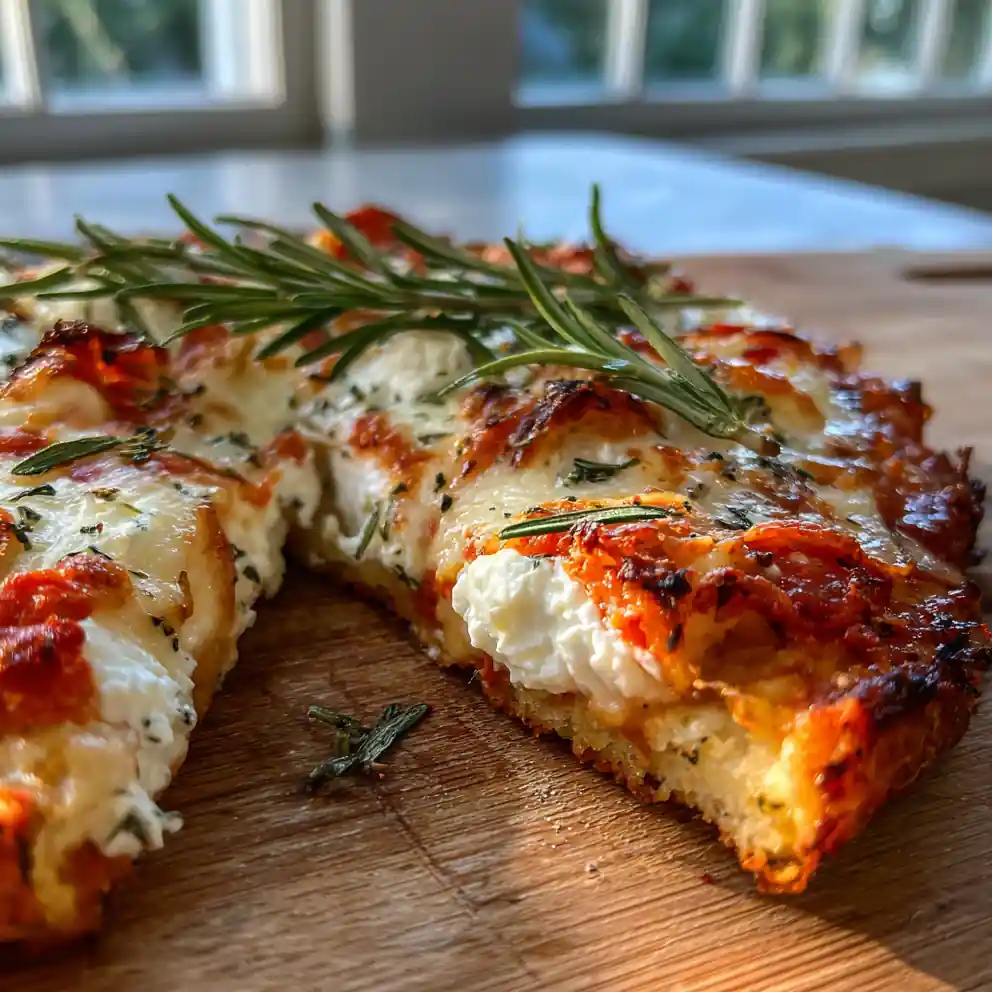
I’ve always loved making pizza at home, but finding a great gluten-free crust that holds up to toppings can be tricky. This sturdy yet tender almond flour pizza crust recipe solves that challenge, offering crispy edges and a satisfying chew without all the gluten. We’re pairing it with a specific topping: a rich, homemade roasted garlic and rosemary ricotta spread that turns a simple meal into a gourmet experience. This is a fantastic option for family pizza night, offering a healthier twist without sacrificing flavor or texture.
Ingredients
- 1 head garlic: Roasting the garlic mellows its sharpness into a sweet, creamy flavor, which is essential for the ricotta topping. Choose a large, firm head of garlic with intact cloves for best results. You’ll roast this first to prepare the base flavor.
- 200 g (2 cups) almond flour: Use finely ground blanched almond flour for the best texture and structure in the crust. Do not substitute with almond meal (which contains skins) as it will create a denser, oilier crust. This serves as the primary base for the gluten-free dough.
- 15 g (2 tablespoons) psyllium husk powder: This ingredient is critical for binding the almond flour and mimicking gluten’s elasticity. It helps hold the dough together and provides a pliable texture that standard almond flour lacks. Make sure to use powder, not whole psyllium husks, for the correct consistency in this almond flour pizza crust recipe.
- 5 g (1 teaspoon) baking powder: Provides the necessary leavening for the crust to rise slightly and achieve a lighter texture. This ensures the crust doesn’t become too dense or hard during baking. Ensure your baking powder is fresh for maximum effectiveness.
- 3 g (1/2 teaspoon) sea salt: Used to enhance the flavor of the crust itself, balancing the richness of the almond flour and toppings. Use fine sea salt to ensure it dissolves evenly throughout the dry mix.
- 1 large egg: Acts as a primary binder, holding the ingredients together and adding moisture to create a cohesive dough. A flax egg substitution (1 tablespoon ground flaxseed + 3 tablespoons water, set for 5 minutes) can be used for a vegan option.
- 30 ml (2 tablespoons) olive oil: Adds richness and flavor to the crust while helping to create a tender texture. We’ll also use additional oil (1 tablespoon) for roasting the garlic. Use a high-quality extra virgin olive oil if possible.
- 60-90 ml (1/4 to 1/3 cup) warm water: The water hydrates the psyllium husk and brings the dough together into a soft, pliable ball. Start with a smaller amount and add gradually until the dough reaches the right consistency (it should not be sticky). The final amount needed may vary based on your environment’s humidity level.
- 125 g (1/2 cup) whole milk ricotta cheese: The base for the creamy topping; whole milk ricotta provides the best richness and texture. Drain excess liquid from the ricotta before use to avoid a watery topping. For a dairy-free option, use a cashew or almond milk ricotta alternative.
- 5 g (1 tablespoon) fresh rosemary: Adds a sharp, aromatic, and slightly peppery flavor to balance the sweet roasted garlic and creamy ricotta. Finely chop the fresh rosemary; dried rosemary can be substituted, but reduce the amount to 1 teaspoon.
- Pinch freshly ground black pepper: Used to season the ricotta mixture, adding a touch of heat and depth. Adjust to taste based on your preference.
- 60 ml (1/4 cup) crushed tomatoes or passata: A light layer of tomato sauce forms the base for the toppings. Crushed tomatoes or smooth passata work best to avoid making the crust soggy.
- 115 g (1 cup) shredded low-moisture part-skim mozzarella cheese: Melts evenly and provides classic pizza flavor and texture. Shredded pre-packaged mozzarella works well for convenience, or you can shred a block yourself.
Instructions
- Prepare the Roasted Garlic: Preheat your oven to 200°C (400°F). Slice off the very top of the garlic head to expose the cloves, then drizzle with 15 ml (1 tablespoon) of olive oil. Wrap loosely in aluminum foil and roast for 30-40 minutes until very soft; squeeze the soft cloves into a small bowl and let cool slightly.
- Make the Almond Flour Dough: In a large bowl, whisk together the almond flour, psyllium husk powder, baking powder, and sea salt until thoroughly combined. Add the egg and the remaining 30 ml (2 tablespoons) olive oil, mixing until a crumbly mixture forms. Gradually add the warm water (starting with 1/4 cup) until the mixture forms a soft, pliable dough. I find the amount of water needed can vary slightly depending on the brand of almond flour I’m using, so adjust carefully to avoid excess water, as the psyllium will continue to absorb liquid as it rests.
- Shape the Crust: Line a 30 cm (12-inch) round baking sheet or pizza stone with parchment paper. Transfer the dough to the center and use lightly moistened hands or the back of a spoon to press the dough evenly into a thin, uniform 30 cm (12-inch) circle. Ensure the thickness is consistent to prevent soggy spots in the middle.
- Pre-bake the Crust: Pre-bake the crust in the 200°C (400°F) oven for 10-12 minutes, or until the edges begin to turn lightly golden and the crust feels firm to the touch. This pre-baking step is essential for creating a crispy base and preventing the crust from becoming undercooked with the toppings, especially in an almond flour pizza crust recipe. Remove the crust from the oven and set it aside to cool slightly.
- Prepare the Topping: In the small bowl containing the roasted garlic cloves, use a fork to mash them into a smooth paste. Add the ricotta cheese, finely chopped rosemary, a pinch of salt, and freshly ground black pepper. Stir until all ingredients are well combined and the mixture is smooth and creamy.
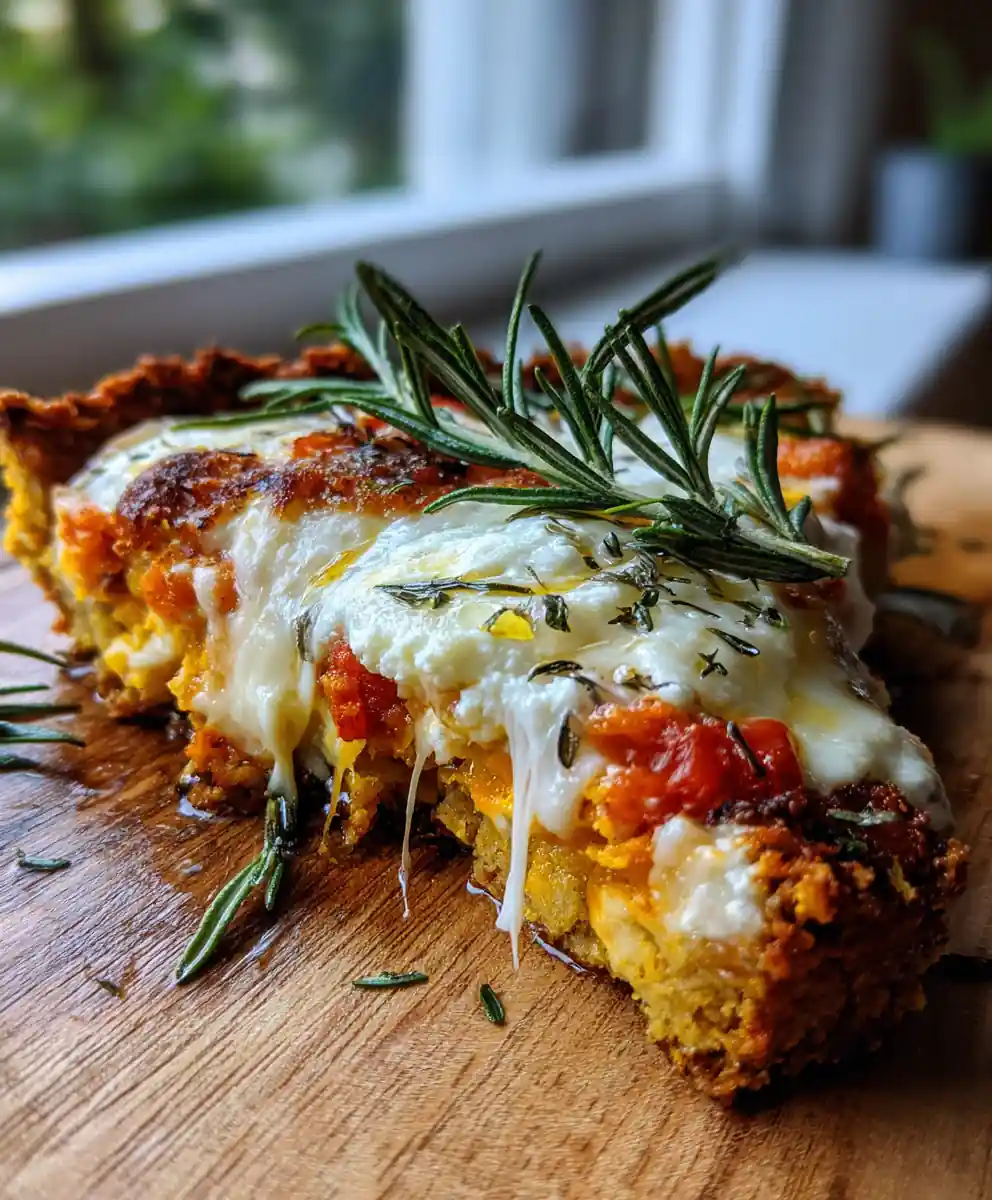
- Assemble the Pizza: Spread the crushed tomatoes thinly and evenly over the pre-baked almond flour pizza crust, leaving a small border around the edges. Spoon dollops of the roasted garlic and rosemary ricotta mixture over the tomato sauce, distributing them in an appealing, irregular pattern. Finally, sprinkle the shredded mozzarella cheese generously over the entire pizza.
- Final Bake: Return the assembled pizza to the 200°C (400°F) oven and bake for another 12-15 minutes. The pizza is finished when the mozzarella cheese is fully melted, bubbly, and has developed golden-brown spots, and the almond flour pizza crust looks crisp around the edges. Watch carefully to avoid burning the edges.
- Rest and Serve: Carefully remove the pizza from the oven and let it rest for 5 minutes on a wire rack to set the crust and toppings. Drizzle with the remaining olive oil for a glossy finish and garnish with a fresh rosemary sprig before slicing.
Troubleshooting Your Almond Flour Pizza Crust
Gluten-free baking can sometimes be finicky, but a few small adjustments can make all the difference when making this almond flour pizza crust. Here are common issues and simple fixes to ensure a perfect result every time.
- The crust is soggy in the middle: This usually happens when the dough is pressed too thin in the center or if you skipped or shortened the pre-baking step. Ensure a consistent thickness across the entire crust (aim for about 1/4 inch) and always pre-bake until the edges are firm before adding toppings. Also, avoid overloading toppings, especially watery ones like fresh tomatoes or excessive sauce.
- The dough feels dry and crumbly: The amount of water needed can vary slightly based on the grind of your almond flour and the humidity level where you live. If the dough isn’t pliable after adding 1/3 cup of water, add another tablespoon very slowly until it comes together. I keep a small bowl of warm water next to me when I mix this dough, adding just a tiny bit more at a time if the psyllium husk seems to be absorbing faster than expected.
- My crust didn’t rise: This particular almond flour pizza crust recipe relies on baking powder for leavening, but it won’t rise significantly like traditional yeast-based dough. Ensure your baking powder is fresh; if it’s expired, it won’t provide lift. The psyllium husk helps with structure, but it’s not a leavening agent.
Topping Swaps and Flavor Variations
- Dairy-Free Topping: Swap the ricotta cheese with a store-bought vegan ricotta alternative (made from almonds or cashews) or create a cashew cream base. For the mozzarella, use a dairy-free shredded cheese that melts well, or simply omit the cheese entirely and use extra roasted vegetables for flavor.
- Herb Swaps for the Ricotta: If you don’t care for rosemary, try substituting other fresh herbs like finely chopped thyme or oregano. A pinch of red pepper flakes adds a nice heat to the creamy ricotta base. For a different flavor profile, mix the ricotta with basil pesto instead of roasted garlic.
- Classic Topping Option: If you prefer a more traditional pizza experience, simply omit the roasted garlic ricotta mixture. Top the pre-baked crust with the tomato passata, mozzarella, and your favorite traditional toppings like mushrooms, bell peppers, or olives.
Make-Ahead and Storage Tips
- Freezing the Crust: To save time, you can pre-bake this almond flour pizza crust as described in Step 4. Let it cool completely, then wrap tightly in plastic wrap and store in a large freezer bag for up to 3 months. When ready to use, thaw it briefly, then add toppings and bake as instructed.
- Storing Leftovers: Store leftover slices in an airtight container in the refrigerator for up to 3 days. Reheat gently in a toaster oven or on a baking sheet at 180°C (350°F) for 5-8 minutes to restore crispiness. Avoid reheating in the microwave, which can make the crust soggy.
FAQs
What is psyllium husk powder and do I need it?
Psyllium husk powder is a plant fiber that acts as a powerful binder in gluten-free baking. In this almond flour pizza crust recipe, it helps create elasticity and structure, preventing the crust from crumbling when cut. It is essential for achieving a pliable dough in this recipe.
Can I use a different flour, like coconut flour?
No, almond flour and coconut flour have very different properties and liquid absorption rates. Substituting coconut flour will result in a dry, dense crust that will likely fall apart. This recipe specifically relies on the characteristics of finely ground blanched almond flour.
Is this almond flour pizza crust low-carb and gluten-free?
Yes, because this recipe uses almond flour instead of wheat flour, it is naturally both gluten-free and lower in carbohydrates than traditional pizza crusts. It fits perfectly into a healthy eating plan or a low-carb lifestyle.
Can I make the dough ahead of time?
It’s best to shape and pre-bake the crust immediately after mixing the dough, as the psyllium husk continues to absorb liquid and makes the dough difficult to spread later. However, you can freeze the pre-baked crust for future use (see Make-Ahead tips).
How can I get a crispier crust?
The most crucial steps for a crispy almond flour pizza crust are pressing the dough thin and even (not too thick in the middle) and ensuring you pre-bake it for the full 10-12 minutes. For extra crispiness, try baking on a preheated pizza stone or a perforated baking sheet.
Can I use this crust for other recipes?
Yes, this sturdy crust serves as a great base for flatbreads or savory tarts. You can use this almond flour pizza crust recipe as a base for a different set of toppings (e.g., goat cheese and fig jam) for a simple appetizer or light lunch.
Conclusion
This easy almond flour pizza crust recipe provides a perfect solution for family pizza night when you need a healthier, gluten-free option. The combination of the sturdy crust base and the decadent roasted garlic and rosemary ricotta topping makes for a truly unforgettable meal. Save this recipe on Pinterest for your next family dinner and share your results by tagging us on social media.
Print
almond flour pizza crust recipe
- Total Time: 70 minutes
- Yield: 8 servings 1x
- Diet: Gluten-Free, Vegetarian
Description
This gluten-free almond flour pizza crust is sturdy yet tender and topped with a rich, roasted garlic and rosemary ricotta spread for a flavorful gourmet experience.
Ingredients
- 1 head garlic, for roasting
- 2 cups (200 g) almond flour, finely ground blanched
- 2 tablespoons (15 g) psyllium husk powder
- 1 teaspoon (5 g) baking powder
- 0.5 teaspoon (3 g) sea salt
- 1 large egg
- 3 tablespoons (45 ml) olive oil, divided (1 tbsp for roasting, 2 tbsp for dough)
- 0.25 to 0.33 cup (60–90 ml) warm water
- 0.5 cup (125 g) whole milk ricotta cheese, drained
- 1 tablespoon (5 g) fresh rosemary, finely chopped
- Pinch freshly ground black pepper
- 0.25 cup (60 ml) crushed tomatoes or passata
- 1 cup (115 g) shredded low-moisture part-skim mozzarella cheese
Instructions
- Roast Garlic: Preheat oven to 400°F (200°C). Slice off the very top of the garlic head, drizzle with 1 tablespoon of olive oil, wrap loosely in foil, and roast for 30-40 minutes until very soft. Squeeze the soft cloves into a small bowl and let cool slightly.
- Prepare Dough: In a large bowl, whisk together the almond flour, psyllium husk powder, baking powder, and sea salt until thoroughly combined. Add the egg and 2 tablespoons of olive oil, mixing until a crumbly mixture forms. Gradually add 1/4 to 1/3 cup of warm water until the mixture forms a soft, pliable dough.
- Shape Crust: Line a 12-inch round baking sheet or pizza stone with parchment paper. Transfer the dough to the center and press it evenly into a thin, uniform 12-inch circle.
- Pre-bake Crust: Pre-bake the crust at 400°F (200°C) for 10-12 minutes, or until the edges begin to turn lightly golden and the crust feels firm to the touch. Remove from oven and set aside to cool slightly.
- Make Ricotta Topping: In the bowl containing the roasted garlic cloves, use a fork to mash them into a smooth paste. Add the ricotta cheese, finely chopped rosemary, a pinch of salt, and freshly ground black pepper. Stir until well combined.
- Assemble Pizza: Spread the crushed tomatoes thinly and evenly over the pre-baked crust, leaving a small border. Spoon dollops of the roasted garlic and rosemary ricotta mixture over the tomato sauce. Sprinkle the shredded mozzarella cheese generously over the pizza.
- Final Bake: Return the assembled pizza to the 400°F (200°C) oven and bake for another 12-15 minutes, or until the mozzarella cheese is fully melted, bubbly, and has developed golden-brown spots, and the crust looks crisp around the edges.
- Rest and Serve: Carefully remove the pizza from the oven and let it rest for 5 minutes. Drizzle with the remaining olive oil for a glossy finish and garnish with a fresh rosemary sprig before slicing.
Notes
To make a vegan version, substitute the egg with a flax egg (1 tablespoon ground flaxseed + 3 tablespoons water, set for 5 minutes) and use a dairy-free ricotta alternative. Ensure the psyllium husk powder is finely ground for the correct dough consistency.
- Prep Time: 30 minutes
- Cook Time: 40 minutes
- Category: Main Course
- Method: Baking
- Cuisine: American
Nutrition
- Serving Size: 1 slice (1/8 pizza)
- Calories: 260 calories
- Sugar: 3 g
- Sodium: 180 mg
- Fat: 23 g
- Saturated Fat: 8 g
- Unsaturated Fat: 15 g
- Trans Fat: 0 g
- Carbohydrates: 9 g
- Fiber: 4 g
- Protein: 10 g
- Cholesterol: 25 mg
FREE PRINTABLE RECIPE
Get the Printable Recipe PDF (Free)
Enter your email and we’ll send you the ingredients + step-by-step instructions as a clean PDF you can save to your phone.
- ✅ Printable PDF (ingredients + steps)
- ✅ Save it to your phone (no long scrolling)
- ✅ Includes cook time + servings
- ✅ Easy to follow
FAQ
Where’s the full recipe?
It’s delivered as a printable PDF so you can save it and cook without scrolling.
I didn’t get the email.
Check Spam/Promotions and search your inbox for your site name. Then click Confirm to receive the PDF.