
I’ve always loved a good dessert that feels special without being complicated, and this is truly it.
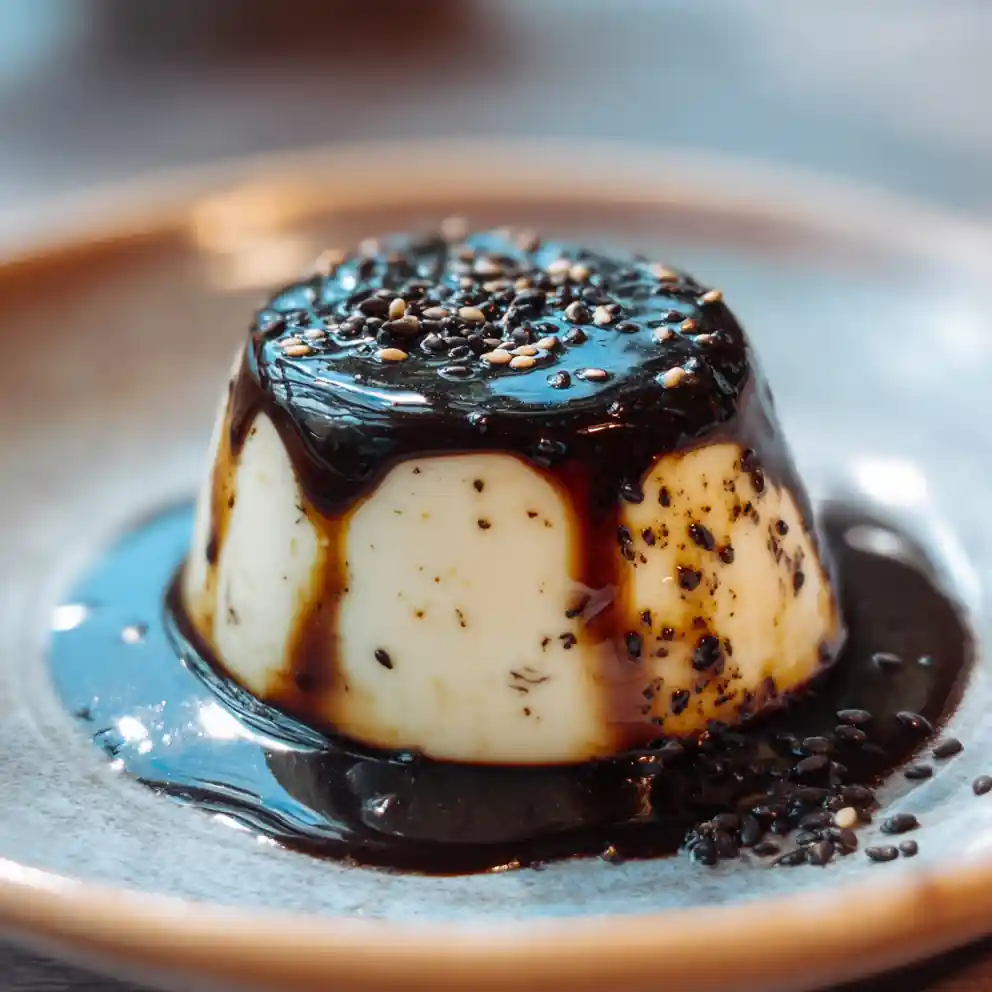
This delightful japanese pudding recipe is your answer for a simple, satisfying treat that everyone will love, boasting a creamy texture and rich, glossy caramel that just melts in your mouth. Perfect for busy parents and families, it’s a wholesome, easy-to-make dessert for any night.
Ingredient Breakdown & Smart Alternatives
Yields 4 servings; total active prep is about 15 minutes, with bake time around 40-50 minutes and chilling.
Core Ingredients for a Perfect Japanese Pudding Recipe
- 75g (1/3 cup + 1 tbsp) granulated sugar: For the black sesame caramel. This creates a rich, amber base.
- 30ml (2 tbsp) water: Helps the caramel sugar dissolve evenly.
- 60ml (1/4 cup) hot water: Crucial for stopping caramelization, ensuring a smooth, pourable sauce.
- 15g (1 tbsp) unsweetened black sesame paste: Adds a unique, nutty depth to the caramel, giving this japanese pudding recipe its signature flavor.
- 3 large eggs (approx. 150g): Essential for the custard’s structure and silky texture. (Using organic free-range eggs can enhance richness and color.)
- 100g (1/2 cup) granulated sugar: Sweetens the custard. (For a lighter option, you can use less sugar or a sugar substitute like stevia, though it may alter the final texture slightly.)
- 500ml (2 cups + 2 tbsp) whole milk: Provides the creamy base for the pudding. (Whole milk yields the best texture, but you can use 2% or even a dairy-free alternative like unsweetened almond milk for a lighter version.)
- 5ml (1 tsp) alcohol-free vanilla extract: Classic flavor enhancer; ensures a broad appeal.
- Pinch of salt: Balances and enhances the sweetness in the custard.
- 2g (1/2 tsp) toasted black sesame seeds: For garnish, adding texture and visual appeal to your finished japanese pudding recipe.
Better Versions
For an elevated experience, opt for organic free-range eggs; their richer yolks contribute to a deeper color and more robust flavor in the custard. Consider using organic whole milk for a purer taste profile. My family prefers the quality from organic ingredients, making it a truly family-friendly dessert.
Substitutions for Popular Diets
- Vegan: This specific recipe relies heavily on eggs and milk. For a vegan pudding, you would need a different base using plant-based milk, cornstarch or agar-agar as a thickener, and a ‘flax egg’ for binding.
- Gluten-free: This japanese pudding recipe is naturally gluten-free! Just ensure your vanilla extract is pure and does not contain any gluten additives.
- Dairy-free: Unsweetened almond, soy, or oat milk can work beautifully as a substitute for whole milk, providing a creamy texture.
Seasonal and Freshness Notes
Always use the freshest possible eggs for the best results, as they contribute significantly to the pudding’s texture and flavor. While there isn’t specific seasonality for these ingredients, quality matters. Fresh, high-quality milk will always yield a superior custard.
Step-by-Step Cooking Method
1. Prepare the Caramel (about 5-7 minutes)
Preheat your oven to 160°C (325°F) and boil water for your bain-marie. In a small, heavy-bottomed saucepan, combine 75g (1/3 cup + 1 tbsp) granulated sugar and 30ml (2 tbsp) water. Cook over medium heat without stirring until the sugar dissolves and the syrup turns a rich amber color, signaling it’s ready. Remove from heat and carefully pour in 60ml (1/4 cup) hot water; it will bubble vigorously. Stir until smooth, then whisk in 15g (1 tbsp) black sesame paste until fully incorporated. Divide the hot black sesame caramel evenly among four 150ml (5 oz) ramekins, swirling to coat the bottom, then set aside to cool.
2. Whisk the Pudding Base (about 3 minutes)
In a medium bowl, whisk the 3 large eggs, 100g (1/2 cup) granulated sugar, and a pinch of salt until well combined and slightly frothy, but avoid creating excessive foam. In a separate saucepan, gently heat 500ml (2 cups + 2 tbsp) whole milk and 5ml (1 tsp) alcohol-free vanilla extract over medium heat until it is warm to the touch and steaming, but not boiling. The milk should feel warm to your finger when tested.
3. Strain for Smoothness (about 2 minutes)
Slowly pour the warm milk mixture into the egg mixture while continuously whisking to temper the eggs and prevent scrambling. Once fully combined, strain the custard mixture through a fine-mesh sieve into a clean bowl or a liquid measuring cup with a spout. If you see any small egg bits after straining, that’s perfectly normal; the sieve catches them for a silkier finish. This step removes any chalazae and ensures a silky smooth japanese pudding recipe texture. I always do this for the perfect custard.
4. Steam or Bake (20-50 minutes)
Carefully pour the strained custard mixture over the black sesame caramel in each ramekin, filling them almost to the top. This ensures a beautiful caramel layer. Place the baking dish with the ramekins into your preheated oven or on the stovetop for steaming.
- Oven Method (40-50 minutes): Carefully pour hot water from the kettle into the deep baking dish until it reaches about halfway up the sides of the ramekins, creating a bain-marie. Bake for 40-50 minutes at 160°C (325°F), or until the puddings are set but still have a slight jiggle in the center when gently shaken; the edges should be firm.
- Steaming Method (20-25 minutes): Place ramekins in a large pan with a lid. Pour hot water into the pan, reaching halfway up the sides of the ramekins. Cover the pan tightly with foil or its lid. Steam over low heat for 20-25 minutes, or until set but still slightly wobbly in the center. The steam will cook the pudding gently.
5. Chill & Serve (at least 4 hours)
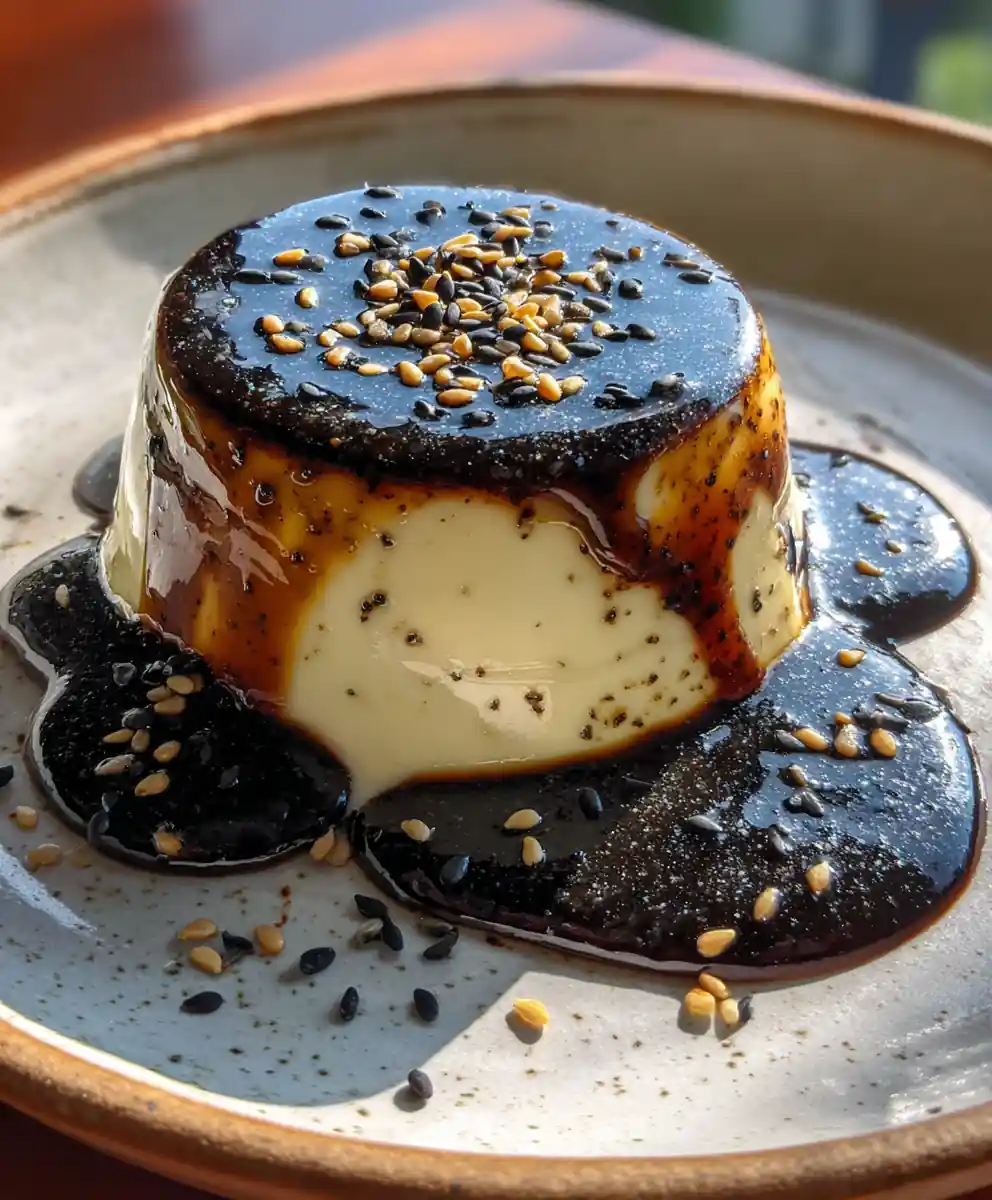
Carefully remove the baking dish from the oven or steamer, then carefully lift the ramekins out of the water bath and place them on a wire rack to cool completely at room temperature. Once cool, cover the ramekins with plastic wrap and refrigerate for at least 4 hours, or preferably overnight, to allow the puddings to firm up and the flavors to meld. To serve this delightful japanese pudding recipe, run a thin knife around the edge of each pudding to loosen it. Place a light-colored ceramic dessert plate upside down over a ramekin, then quickly and confidently invert the pudding onto the plate. Garnish with toasted black sesame seeds. Your delicious japanese pudding recipe is ready to enjoy.
Quick-Prep Hacks
- Make the black sesame caramel ahead of time and store the coated ramekins in the fridge. This saves time on a busy day.
- Use a blender for a super smooth pudding mix, then strain it. This can speed up the whisking process.
Inline Troubleshooting
- If caramel hardens too quickly: Gently reheat it with a tiny splash of water (about 1 tsp) until it becomes liquid again.
- If pudding is rubbery: You likely overcooked it. Reduce cooking time next time and check for a slight wobble.
- If pudding is watery: It’s undercooked. Return it to the oven or steamer for a few more minutes until it sets more firmly.
Occasions & Serving Suggestions
Use Cases:
- Weekday desserts for a family treat.
- Light, elegant finish for dinner parties.
- Delicious lunchbox addition for kids (and adults!).
- Perfect for meal prep for a sweet grab-and-go option.
Creative Serving Suggestions:
- Classic: Inverted with its own rich caramel sauce on top.
- Garnish with fresh berries or a light dollop of whipped cream.
- A delicate sprinkle of cinnamon or a dusting of matcha powder for an earthy touch.
- Serve alongside a warm cup of green tea or coffee for a cozy snack moment.
Storage & Reheating:
- Fridge: Store covered in individual ramekins for up to 3-4 days.
- Freezer: Not recommended for best texture due to the delicate custard base.
Health & Nutrition Value of Japanese Pudding
This delightful dessert is a balanced, portion-controlled option for your sweet cravings. It provides protein from eggs and calcium from milk, contributing to healthy eating habits. This japanese pudding recipe is naturally gluten-free, suitable for many dietary needs, and allows for easy adjustment of sugar content for a lighter, family-approved treat. This makes it a great fit for weight loss meal prep when made with low-sugar, low-fat alternatives.
Budget & Time Efficiency
Creating this simple dessert is incredibly efficient for busy households. Its low cost per serving makes it a budget-friendly choice that easily beats store-bought options.
- Prep Time: 10 minutes active.
- Cook Time: 20-30 minutes.
- Chill Time: 2 hours.
- Cost per Serving: Approximately $0.75 – $1.25, depending on ingredient choices.
- Budget Swaps: Opt for quality store-brand milk and standard eggs to keep costs down.
- Batch Cooking and Make-Ahead Strategies: You can easily double or triple this japanese pudding recipe for more servings. I often make a big batch on Sunday so my family has delicious, ready-to-eat desserts throughout the week. This is perfect for quick meals.
Ingredient Sourcing & Online Delivery
Finding ingredients for this japanese pudding recipe is straightforward, as most are readily available. Quality matters for the best flavor and texture.
Where to Shop:
- Supermarkets: Most ingredients are standard grocery store finds.
- Farmers Market: Ideal for the freshest eggs and high-quality local milk if available.
- Online Grocery Delivery: Convenient for stocking up on all your pantry staples.
- Specialty Asian Markets: May offer unique egg brands or milks for a particular touch.
When to Go Fresh vs Frozen vs Packaged:
- Always use fresh eggs and milk for this japanese pudding recipe to ensure optimal texture.
- Vanilla extract is perfectly fine in its standard packaged form.
Mentions:
Consider organic delivery services for sourcing higher quality ingredients.
Expert Tips & Adjustments
A few simple tweaks can elevate your homemade japanese pudding recipe, making it even more enjoyable for everyone.
Flavor Boosts:
- Add a touch of almond extract for a subtle nutty twist.
- Infuse your milk with a vanilla bean pod or lemon zest before mixing for deeper flavor.
- A pinch of nutmeg or cardamom can introduce a lovely warmth.
Adjustments for Kids vs Spice Lovers:
- For kids: Keep it classic and simple, perhaps with a fun sprinkle on top.
- For adults/sophisticated palates: A hint of coffee or a dash of citrus zest to the custard (after cooking) adds a refined note.
Allergy-Friendly Modifications:
- Lactose intolerance: Use lactose-free milk for the same creamy result.
- Egg allergy: This is more complex; you’d need a completely different “pudding” base using agar-agar and plant milk, which wouldn’t be a true Japanese custard pudding.
FAQs
“Is Japanese pudding good for weight loss?”
When crafted with reduced sugar and lower-fat milk, this japanese pudding recipe can be a satisfying, portion-controlled treat that supports a weight-loss plan. It offers a much healthier alternative to many highly processed desserts.
“Where can I buy Japanese pudding online?”
While you can’t typically buy this specific homemade japanese pudding recipe online ready-made, you can find various Asian-style puddings on specialty grocery delivery sites or from local Japanese bakeries. Making it yourself ensures freshness and a superior taste.
“Can Japanese pudding be meal-prepped ahead of time?”
Absolutely! This japanese pudding is ideal for meal prep. Make a batch on the weekend and store individual servings, covered, in the fridge for up to 3-4 days. I find that chilling it completely for at least four hours gives the best firm yet creamy consistency for meal prep.
“What’s the best substitute for milk in Japanese pudding?”
For dairy-free versions of this japanese pudding recipe, almond milk, soy milk, or oat milk work well, providing a creamy texture. Ensure they are unsweetened to control the overall sugar level, typically using a 1:1 ratio for the swap.
“Why did my Japanese pudding turn out rubbery?”
A rubbery texture usually indicates that your japanese pudding was overcooked. Ensure you use low heat and remove it from the heat or oven as soon as it’s set but still has a slight wobble in the center. Careful monitoring prevents this common issue.
“What’s the difference between Japanese pudding and flan?”
While similar in concept (a custard with caramel), traditional Japanese pudding often has a slightly firmer, silkier texture than many Latin American flans, and can be less sweet. It typically relies on a simpler milk and egg base, making it a distinct delight.
Conclusion
This easy japanese pudding recipe is a delicious, budget-friendly, and healthy dessert for any family, making meal prep a breeze. I always make extra to keep on hand for quick snacks, so save this recipe to your Pinterest board for effortless future family dinners.
Print
japanese pudding recipe
- Total Time: 300 minutes
- Yield: 4 servings 1x
- Diet: Gluten-Free
Description
This delightful Japanese pudding recipe offers a simple, satisfying treat with a creamy texture and rich, glossy black sesame caramel. Perfect for busy parents and families, it’s a wholesome, easy-to-make dessert for any night.
Ingredients
- 75 g granulated sugar, for black sesame caramel
- 30 ml water
- 60 ml hot water
- 15 g unsweetened black sesame paste
- 3 large eggs
- 100 g granulated sugar, for custard
- 500 ml whole milk
- 5 ml alcohol-free vanilla extract
- Pinch of salt
- 2 g toasted black sesame seeds, for garnish
Instructions
- Prepare Caramel: Preheat oven to 160°C (325°F) and boil water for a bain-marie. In a small saucepan, combine 75 g granulated sugar and 30 ml water. Cook over medium heat without stirring until amber. Remove from heat, carefully pour in 60 ml hot water, stir until smooth, then whisk in 15 g black sesame paste. Divide hot caramel evenly among four 150 ml ramekins and set aside to cool.
- Whisk Pudding Base: In a medium bowl, whisk 3 large eggs, 100 g granulated sugar, and a pinch of salt until well combined and slightly frothy (avoid excessive foam). In a separate saucepan, gently heat 500 ml whole milk and 5 ml alcohol-free vanilla extract over medium heat until warm and steaming, but not boiling.
- Strain for Smoothness: Slowly pour the warm milk mixture into the egg mixture while continuously whisking to temper the eggs. Strain the combined custard mixture through a fine-mesh sieve into a clean bowl or measuring cup to ensure a silky-smooth texture.
- Steam or Bake: Carefully pour the strained custard mixture over the black sesame caramel in each ramekin, filling them almost to the top. Place the ramekins in a deep baking dish. For oven method, pour hot water into the baking dish until halfway up the ramekins; bake for 40-50 minutes at 160°C (325°F) until set with a slight jiggle. For steaming method, place ramekins in a pan with a lid, pour hot water halfway, cover tightly, and steam over low heat for 20-25 minutes until set.
- Chill and Serve: Carefully remove ramekins from the water bath and cool completely at room temperature on a wire rack. Once cool, cover with plastic wrap and refrigerate for at least 4 hours, or preferably overnight. To serve, run a thin knife around the edge of each pudding, invert onto a plate, and garnish with toasted black sesame seeds.
Notes
Make the black sesame caramel ahead of time and store coated ramekins in the fridge. Use a blender for a super smooth pudding mix, then strain it. If caramel hardens too quickly, gently reheat it with 1 tsp of water until liquid again. If pudding is rubbery, it was overcooked; if watery, it was undercooked.
- Prep Time: 15 minutes
- Cook Time: 45 minutes
- Category: Dessert
- Method: Baking (Bain-marie)
- Cuisine: Japanese
Nutrition
- Serving Size: 1 serving (approx. 150 ml)
- Calories: 350 calories
- Sugar: 35 g
- Sodium: 50 mg
- Fat: 18 g
- Saturated Fat: 9 g
- Unsaturated Fat: 6 g
- Trans Fat: 0 g
- Carbohydrates: 40 g
- Fiber: 1 g
- Protein: 12 g
- Cholesterol: 180 mg
FREE PRINTABLE RECIPE
Get the Printable Recipe PDF (Free)
Enter your email and we’ll send you the ingredients + step-by-step instructions as a clean PDF you can save to your phone.
- ✅ Printable PDF (ingredients + steps)
- ✅ Save it to your phone (no long scrolling)
- ✅ Includes cook time + servings
- ✅ Easy to follow
FAQ
Where’s the full recipe?
It’s delivered as a printable PDF so you can save it and cook without scrolling.
I didn’t get the email.
Check Spam/Promotions and search your inbox for your site name. Then click Confirm to receive the PDF.