
When I want a dessert that feels indulgent but still fits our busy family life, this cottage cheese cheesecake recipe is my go-to. Its smooth, creamy texture and vibrant swirl of blood orange and cardamom simply sing of pure delight. If you’re tired of heavy, complicated desserts, this recipe is your simple, tasty fix! Enjoy a surprisingly creamy, high-protein dessert without the guilt, perfect for families and anyone seeking a healthier sweet treat. We focus on delightful texture, rich taste, and straightforward steps to get a gorgeous cottage cheese cheesecake on your table. Discover easy ingredients, clear cooking instructions, and fantastic insights for your new favorite dessert.
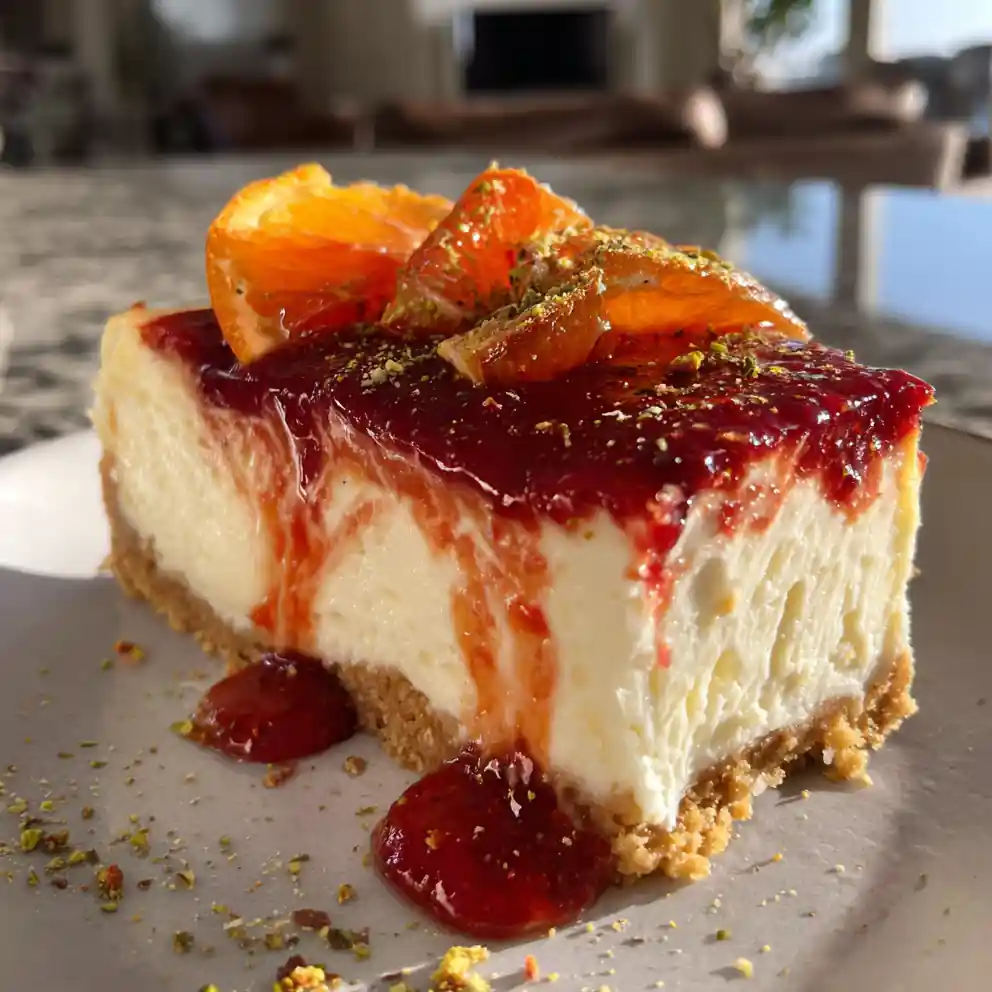
Ingredient Roles & Measured List
Crafting a stellar cottage cheese cheesecake recipe starts with understanding each ingredient’s role. Here’s what you’ll need for this special dessert:
- For the Crust:
- 180 g (1 ½ cups) digestive biscuits or graham crackers, crushed: for the base.
- 75 g (5 tablespoons) unsalted butter, melted: binds the crumbs.
- 15 g (1 tablespoon) granulated sugar: sweetens the crust.
- For the Cheesecake Filling:
- 450 g (2 cups) full-fat cottage cheese: the high-protein base (or low-fat for lighter option).
- 225 g (1 block/8 oz) full-fat cream cheese, softened: for classic richness (a good quality option improves texture).
- 150 g (¾ cup) granulated sugar: balances sweetness.
- 2 large eggs + 1 large egg yolk: bind the filling.
- 5 ml (1 teaspoon) alcohol-free vanilla extract: essential flavor.
- 15 g (2 tablespoons) cornstarch: helps stabilize, prevents cracks (all-purpose flour works too).
- Pinch of fine sea salt: enhances flavors.
- For the Blood Orange Cardamom Swirl:
- 120 ml (½ cup) fresh blood orange juice + Zest of 1 blood orange: vibrant citrus.
- 75 g (⅓ cup) granulated sugar: sweetens the curd.
- 2 large egg yolks: thicken the curd.
- 55 g (4 tablespoons) unsalted butter, cubed: enriches and smooths.
- 2.5 ml (½ teaspoon) ground cardamom: warm, aromatic spice.
- For Garnish: Fresh blood orange segments, additional ground cardamom.
Better-for-You Upgrades
Elevate your cottage cheese cheesecake recipe with these simple swaps:
- Organic cottage cheese: For cleaner ingredients and improved flavor.
- Grass-fed eggs: Offer richer flavor and more nutrients.
- Natural sweeteners: Consider maple syrup or honey for the curd, adjusting liquid.
- Gluten-free flour blend: Use for a GF crust or as the cornstarch alternative.
- Fresh lemon zest: Use fresh for the best aroma.
Smart Swaps for Diets
Adapt this cottage cheese cheesecake recipe to various dietary needs:
- Keto/Low-Carb: Use erythritol or monk fruit sweetener. Opt for an almond flour crust or go crustless for a low-carb treat.
- Diabetic-Friendly: Use sugar substitutes and ensure portion control.
- Lower Calorie: Choose low-fat or non-fat cottage cheese for the filling.
Seasonality/Quality Notes
Consider these points for the best flavor in your cottage cheese cheesecake:
- Vanilla bean paste: For a more intense, gourmet vanilla flavor in the filling.
- Fresh berries: Pair with seasonal fruits for topping; they complement the rich flavors beautifully.
- Quality dairy: Good quality full-fat cottage cheese makes a noticeable difference in the final texture and taste.
Prep & Cook — Clear Steps with Cues
Follow these steps closely for a perfect cottage cheese cheesecake recipe that’s both delicious and visually stunning. This makes a great family-friendly dessert. I usually have my family help with crushing biscuits for the crust, making it a fun, shared kitchen activity.
- Preheat oven to 175°C (350°F). Grease a 9-inch springform pan. Combine crushed biscuits, melted butter, and sugar; press into pan. Bake 8-10 minutes until golden, then cool completely. (The crust will feel set.)
- Reduce oven to 160°C (325°F). Prepare Curd: Whisk juice, zest, sugar, yolks, cardamom in saucepan. Cook med-low for 8-10 minutes, whisking, until thick and coats a spoon. Stir in butter, strain, cool completely.
- Prepare filling: Process cottage cheese until completely smooth (2-3 minutes for silky texture). Beat softened cream cheese and 150g sugar for 2 minutes until creamy.
- Add 2 large eggs and 1 egg yolk one at a time, beating until just combined (do not overmix). Stir in vanilla, cornstarch, salt. Fold in pureed cottage cheese until uniform.
- Assemble: Pour 2/3 batter over cooled crust. Dollop half curd; swirl gently with a knife. Pour remaining batter, dollop rest of curd, and swirl again.
- Prepare water bath: Tightly wrap springform pan with heavy-duty foil. Place in roasting pan. Pour hot water halfway up sides. (This ensures even baking.)
- Bake: Transfer to oven. Bake 60-70 minutes, or until edges are set and center jiggles slightly. If it looks dry or cracks, reduce temperature by 10°C and cover with foil. Turn off oven, prop door open, cool in water bath 1 hour.
- Cool & Chill: Remove from water bath. Cool completely on wire rack. Refrigerate at least 6 hours, or overnight, to set fully for perfect creamy texture.
Equipment Options
Having the right tools simplifies making this cottage cheese cheesecake:
- Springform pan: A 9-inch pan is essential for easy release and professional presentation.
- Blender or food processor: Crucial for achieving a completely smooth, lump-free cottage cheese base.
- Mixing bowls and whisk: For combining ingredients efficiently.
Inline Fixes
Here are quick solutions if you encounter common baking issues with your cottage cheese cheesecake:
- For dryness: Do not overbake! Remove the cheesecake when its center still has a slight jiggle.
- For blandness: Add an extra splash of vanilla, more blood orange zest, or a pinch of salt.
- For sogginess: Ensure the crust is baked adequately and the cheesecake is fully set before chilling.
Serving Ideas, Pairings & Leftover Transformations
This cottage cheese cheesecake is incredibly versatile, fitting seamlessly into many family-friendly moments. It’s a fantastic light dessert for busy weeknights, a thoughtful addition to lunchboxes, or a surprisingly impressive offering for gatherings.
- When to serve: A delightful weeknight dessert, light enough for lunchboxes, impressive for gatherings, or great for healthy meal prep.
- Pairings: Fresh berries (strawberries, blueberries, raspberries), a drizzle of honey or maple syrup, light fruit compote, or a dollop of Greek yogurt or light whipped cream.
- Beverages: Coffee, herbal tea, or a sparkling water with a twist of lemon complements the creamy texture.
Cheesecake Makeovers
Don’t let any of your delicious cottage cheese cheesecake go to waste! Leftovers are easily transformed into exciting new treats.
- Cheesecake parfaits: Layer crumbled cheesecake with granola, fresh fruit, and yogurt for a quick breakfast.
- Fruit & cheesecake bowls: Crumble over a fruit salad for added protein and creamy texture.
- Freezer portions: Slice and freeze individual portions for quick, healthy treats on demand.
- Spread on toast: A surprisingly delicious, protein-packed breakfast option for busy mornings.
Nutrition & Lifestyle Fit for Cottage Cheese Cheesecake
Our cottage cheese cheesecake recipe isn’t just tasty; it’s a smart choice for healthy eating and balanced lifestyles. It delivers a satisfying dessert that supports your wellness goals.
- High-protein option: Cottage cheese provides a significant protein boost, making this dessert more satisfying and excellent for muscle repair and satiety.
- Balanced macros: Often lower in fat and sugar than traditional cheesecakes, this fits well into balanced eating plans.
- Family-friendly: A dessert everyone will love, with the added benefit of being a healthy dinner idea if paired with a light meal.
- Excellent for quick meal prep: Make a whole cottage cheese cheesecake at the weekend and enjoy slices throughout the week.
- Versatile: Easily adapts to gluten-free dinners with a GF crust or high-protein options for fitness goals, making this cottage cheese cheesecake recipe a real winner.
Compatible Diet Tags
This dessert is remarkably adaptable to various dietary needs.
- Keto/Low-Carb: Easily achieved with sugar substitutes like erythritol and a crustless or almond flour crust.
- Diabetic-Friendly: With careful sweetener choices and portion control.
- Vegetarian: Naturally vegetarian (ensure eggs are cage-free for best quality).
Time & Budget Snapshot
You’ll find this cottage cheese cheesecake recipe to be both time and budget-friendly, making it a perfect addition to your home cooking rotation.
- Prep Time: 15-20 minutes (active hands-on)
- Cook Time: 45-60 minutes (passive oven time)
- Chill Time: 4+ hours (passive, essential for setting)
- Total Time: Approximately 6-7 hours, including chilling, but minimal active effort.
- Approximate cost per serving: $1.00-$2.00, significantly less than store-bought cheesecakes.
- Money-saving swaps: Use store-brand cottage cheese, buy eggs in bulk, make your own simple graham cracker crust.
- Batch cooking tips: Double the recipe and make two cheesecakes, freezing one for later. This is an ideal make-ahead guidance recipe for easy family dinners.
Shopping Guide by Budget Tier
Selecting your ingredients for this cottage cheese cheesecake doesn’t have to break the bank, but choosing quality can enhance the experience.
- Good: Conventional supermarket brands for cottage cheese and eggs. Standard granulated sugar.
- Better: Reputable dairy brands like Friendship or Breakstone’s, pasture-raised eggs, pure vanilla extract.
- Best: Organic cottage cheese, local farm-fresh eggs, vanilla bean paste, premium natural sweeteners like Lakanto monk fruit or Swerve.
- Sources: Your local grocery store, farmers’ markets for fresh produce, online grocery delivery services (Instacart, Thrive Market for specialty items), or local organic food shops.
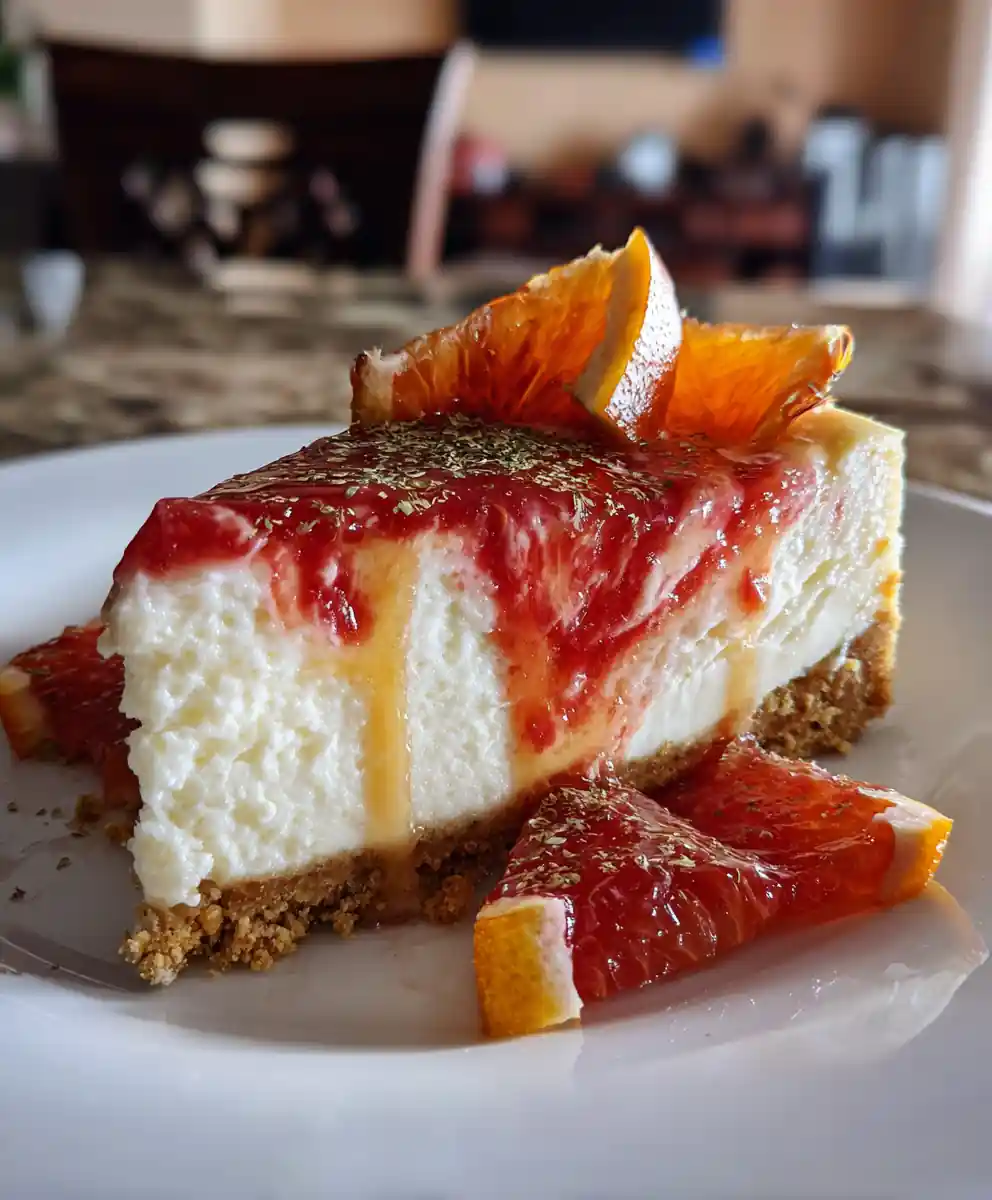
Pro Tips, Flavor Paths & Safety Notes
Mastering your cottage cheese cheesecake involves a few key techniques and plenty of room for creative customization.
Baking Secrets
- Blend, blend, blend: The smoother your cottage cheese, the creamier your cheesecake will be. I’ve found that blending for an extra minute after it looks smooth makes all the difference for a silky texture!
- Gradual cooling: Allowing the cheesecake to cool slowly in the oven helps prevent cracks and ensures an even texture.
- Don’t overmix the batter once eggs are added: This can incorporate too much air, leading to cracks.
- Oven door: Resist opening the oven door frequently during baking to maintain consistent temperature.
- Water bath: For extra creamy results, bake in a water bath, but this is optional for this easy cottage cheese cheesecake recipe.
Customizing Flavors
- Mild & Classic: Stick to pure vanilla and maybe a hint of lemon.
- Herby & Bright: Add orange zest, cardamom, or a touch of lavender extract.
- Spicy & Warm: A pinch of cinnamon, nutmeg, or even ginger can add a cozy warmth.
- Fruity Swirl: Swirl in a few spoonfuls of berry compote or lemon curd before baking.
Dietary Adaptations
- Gluten-free: Ensure you use a gluten-free crust or make it crustless.
- Nut-free: Check all ingredients for cross-contamination if severe allergies are a concern. This recipe is naturally nut-free if you omit almond flour crusts.
- Dairy-free: While the core is cottage cheese, similar high-protein cheesecakes can be made with blended firm tofu and plant-based cream cheese for a dairy-free version.
Safety cues: Ensure eggs are cooked through. Refrigerate the cheesecake promptly and store properly to maintain freshness and safety.
FAQs
Is cottage cheese cheesecake good for weight goals or weekly meal prep?
Yes, this cottage cheese cheesecake is an excellent high-protein, lower-calorie dessert that promotes satiety. It’s perfect for making ahead and portioning for healthy meal prep throughout the week.
Healthiest substitute for traditional cottage cheese cheesecake ingredients?
For a healthier spin, opt for low-fat cottage cheese, erythritol or monk fruit sweetener, and a crustless version or one with an almond flour base. These swaps significantly reduce sugar and calories while maintaining great flavor.
Can I make this cottage cheese cheesecake recipe without a crust?
Absolutely! It’s delicious crustless, saving you time and reducing carbs and calories. Just grease the pan well to prevent sticking, or line the bottom with parchment paper.
How long does cottage cheese cheesecake keep and how to reheat for best texture?
This cheesecake keeps well in the refrigerator for 3-5 days when covered tightly. It’s best served chilled and does not typically benefit from reheating; warming can alter the delicate texture.
Why did my cottage cheese cheesecake crack?
Common causes include overbaking, removing it from the oven too quickly (a sudden temperature change), or overmixing the batter which incorporates too much air. Allowing it to cool slowly in the turned-off oven helps prevent this.
Can I freeze cottage cheese cheesecake?
Yes! Wrap individual slices or the whole cheesecake tightly in plastic wrap, then foil, and freeze for up to 1 month. Thaw in the refrigerator overnight for best results.
Where to buy cottage cheese online or via grocery delivery?
Most major grocery store delivery services like Instacart, Amazon Fresh, or your local supermarket’s app will carry a variety of cottage cheese brands. Look for options from conventional to organic.
Conclusion
This easy cottage cheese cheesecake recipe delivers on taste, nutrition, convenience, and even savings! It’s the perfect way to enjoy a creamy, satisfying dessert that everyone will love, without any of the usual guilt or fuss. Give it a try this week for an amazing family dinner dessert! Pin this recipe for later, add it to your next meal plan, and get ready to impress your taste buds.
Print
cottage cheese cheesecake recipe
- Total Time: 450 minutes
- Yield: 8 servings 1x
- Diet: General
Description
This cottage cheese cheesecake recipe offers a surprisingly creamy, high-protein dessert with a vibrant blood orange and cardamom swirl. It’s a simple, tasty fix for families seeking an indulgent yet healthier sweet treat with straightforward steps.
Ingredients
- 180 g (1.5 cups) digestive biscuits or graham crackers, crushed
- 75 g (5 tablespoons) unsalted butter, melted
- 15 g (1 tablespoon) granulated sugar
- 450 g (2 cups) full-fat cottage cheese
- 225 g (1 block 8 oz) full-fat cream cheese, softened
- 150 g (0.75 cup) granulated sugar
- 2 large eggs
- 1 large egg yolk
- 5 ml (1 teaspoon) alcohol-free vanilla extract
- 15 g (2 tablespoons) cornstarch
- Pinch of fine sea salt
- 120 ml (0.5 cup) fresh blood orange juice
- Zest of 1 blood orange
- 75 g (0.33 cup) granulated sugar
- 2 large egg yolks
- 55 g (4 tablespoons) unsalted butter, cubed
- 2.5 ml (0.5 teaspoon) ground cardamom
- Fresh blood orange segments, for garnish
- Additional ground cardamom, for garnish
Instructions
- Prepare Crust: Preheat oven to 175°C (350°F). Grease a 9-inch springform pan. Combine crushed biscuits, melted butter, and 15g sugar; press into pan. Bake for 8-10 minutes until golden, then cool completely.
- Prepare Blood Orange Cardamom Curd: Reduce oven to 160°C (325°F). Whisk blood orange juice, zest, 75g sugar, 2 large egg yolks, and 0.5 teaspoon cardamom in a saucepan. Cook over medium-low heat for 8-10 minutes, whisking constantly, until thick and it coats a spoon. Stir in 55g cubed butter, strain, and cool completely.
- Prepare Cheesecake Filling Base: Process 450g cottage cheese in a blender or food processor until completely smooth (2-3 minutes) for a silky texture.
- Mix Cream Cheese Batter: In a separate bowl, beat softened cream cheese and 150g sugar for 2 minutes until creamy. Add 2 large eggs and 1 large egg yolk one at a time, beating until just combined (do not overmix). Stir in vanilla extract, cornstarch, and fine sea salt. Fold in the pureed cottage cheese until uniform.
- Assemble Cheesecake: Pour 2/3 of the cheesecake batter over the cooled crust. Dollop half of the cooled blood orange curd over the batter; swirl gently with a knife. Pour the remaining batter over the curd, dollop the rest of the curd on top, and swirl again.
- Prepare Water Bath: Tightly wrap the springform pan with heavy-duty foil. Place the wrapped pan into a larger roasting pan. Pour hot water into the roasting pan, halfway up the sides of the springform pan.
- Bake Cheesecake: Carefully transfer the roasting pan with the cheesecake to the oven. Bake for 60-70 minutes, or until the edges are set and the center jiggles slightly. Turn off the oven, prop the door open, and let the cheesecake cool in the water bath for 1 hour.
- Cool and Chill: Remove the cheesecake from the water bath. Cool completely on a wire rack at room temperature. Refrigerate for at least 6 hours, or preferably overnight, to allow it to set fully for a perfect creamy texture. Garnish with fresh blood orange segments and additional ground cardamom before serving.
Notes
Ensure the cheesecake is fully set before chilling for the best texture; refrigerate at least 6 hours or overnight. For a lump-free filling, process the cottage cheese until completely smooth. If it looks dry or cracks, reduce the oven temperature by 10°C and cover with foil during baking.
- Prep Time: 30 minutes
- Cook Time: 80 minutes
- Category: Dessert
- Method: Baking
- Cuisine: American
Nutrition
- Serving Size: 1 slice (approx 150g)
- Calories: 400 calories
- Sugar: 35 g
- Sodium: 200 mg
- Fat: 25 g
- Saturated Fat: 15 g
- Unsaturated Fat: 8 g
- Trans Fat: 0 g
- Carbohydrates: 30 g
- Fiber: 1 g
- Protein: 18 g
- Cholesterol: 120 mg
FREE PRINTABLE RECIPE
Get the Printable Recipe PDF (Free)
Enter your email and we’ll send you the ingredients + step-by-step instructions as a clean PDF you can save to your phone.
- ✅ Printable PDF (ingredients + steps)
- ✅ Save it to your phone (no long scrolling)
- ✅ Includes cook time + servings
- ✅ Easy to follow
FAQ
Where’s the full recipe?
It’s delivered as a printable PDF so you can save it and cook without scrolling.
I didn’t get the email.
Check Spam/Promotions and search your inbox for your site name. Then click Confirm to receive the PDF.