
I’ve spent years perfecting the home pizza experience, and this recipe for Sourdough Pizza Crust Hand-Stretched, Wood-Fired Style truly elevates weeknight meals.
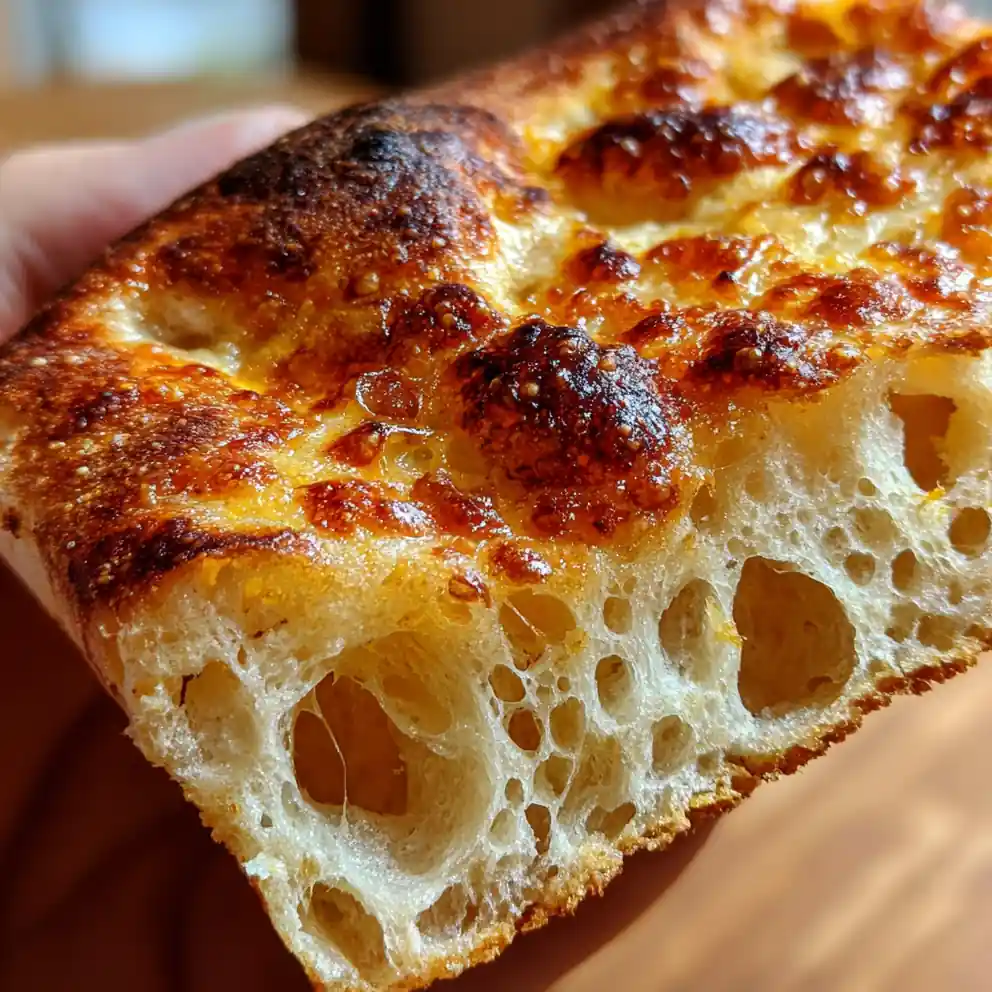
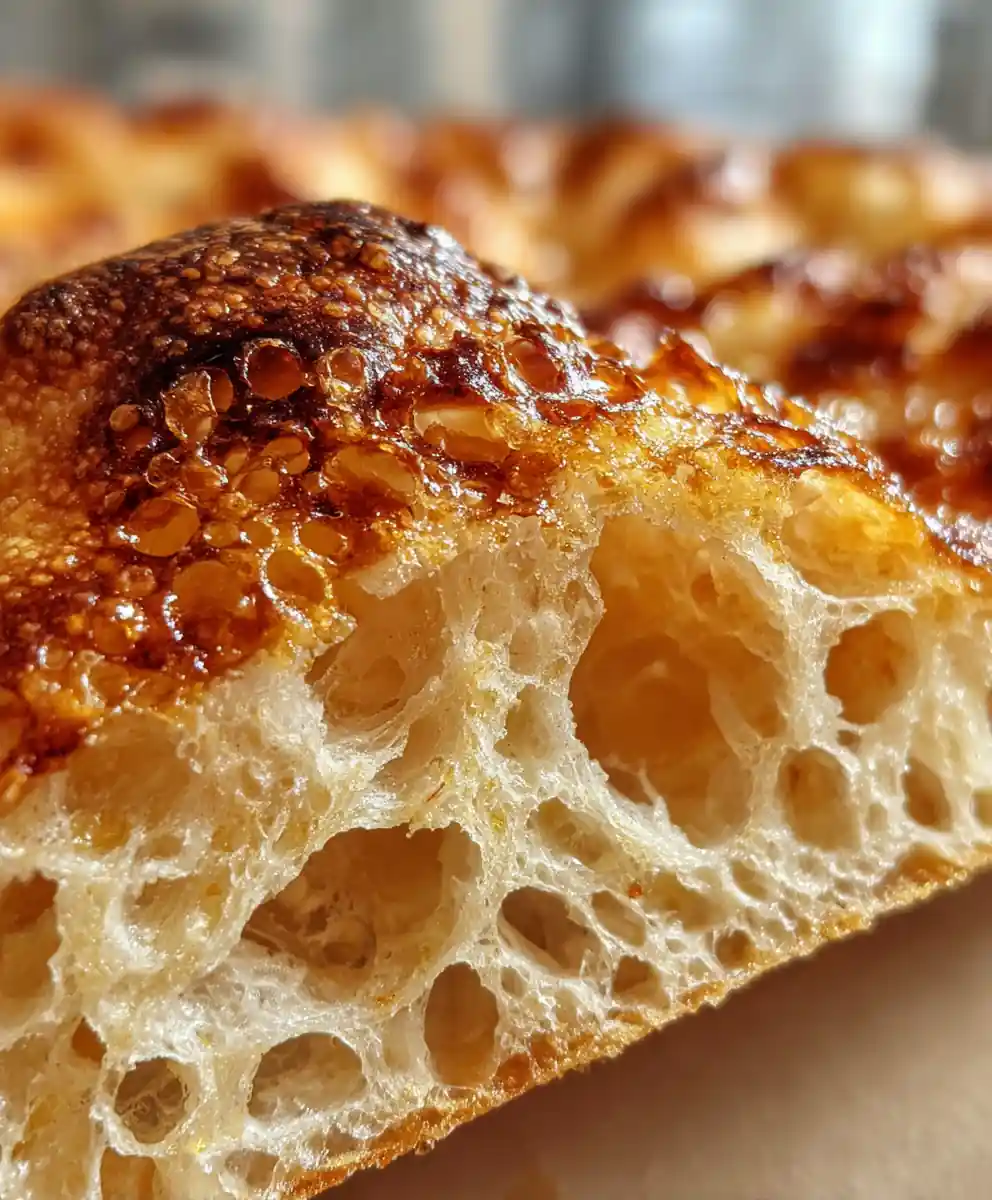
Imagine biting into a slice with a perfectly crisp, chewy crust, boasting those characteristic airy pockets and a delightful tang that only sourdough can deliver. This recipe offers a dependable upgrade for your family pizza night, turning a simple dinner into a gourmet event with authentic Sourdough Pizza Crust Hand-Stretched, Wood-Fired Style. It’s a fantastic, family-friendly project perfect for busy weeknights when you want healthy, delicious food.
We’ll guide you through simple ingredients and step-by-step dough crafting to achieve that authentic wood-fired style right in your oven.
Ingredient Lineup (Amounts • Role • Smart Swap)
- Active Sourdough Starter (150g / Ⅵ cup): The heart of your crust, providing tang and leavening. Ensure it’s bubbly and active!
- Strong Bread Flour (300g / 2 ½ cups): Gives the crust its structure and chew. Look for a high protein content (12-14%). (I often use King Arthur Bread Flour for consistent results, or an organic brand if available.)
- Warm Water (200g / ¾ cup + 2 Tbsp): Hydrates the dough; ideal temperature is around 95-100°F (35-38°C). (Adjust slightly based on your flour’s absorption rate.)
- Fine Sea Salt (7g / 1 ¼ tsp): Essential for flavor and controls fermentation. Don’t skip it!
- Olive Oil (10g / 2 tsp): Adds elasticity to the dough and a touch of flavor. Any good quality extra virgin olive oil works. (Try a local artisanal olive oil for an extra layer of flavor.)
- Pinch of Sugar (Optional): Helps kickstart starter activity and browning, especially in cooler kitchens.
- Upgrades: Organic bread flour, ancient grain flour blends for added nutrition, local artisanal sourdough starter for unique flavor notes.
- Substitutions for diet styles: For low-carb, try a blend of almond or coconut flour (adjust hydration significantly); for a gluten-free Sourdough Pizza Crust, use a certified gluten-free starter and a GF flour blend (texture will vary, but still a delicious option for healthy eating).
- Seasonality/quality notes: Use a fresh, active sourdough starter for the best rise. Good quality bread flour and olive oil make a noticeable difference in the final taste and texture of your hand-stretched crust, contributing to that desired wood-fired style.
Step-by-Step Method with Sensory Cues
- Combine & Rest: In a large bowl, gently mix the active sourdough starter, warm water, and optional sugar until bubbly. Add the bread flour and salt, stirring until a shaggy, cohesive dough forms. Cover and let rest for 30 minutes (autolyse); the dough will feel more supple and hydrated.
- Knead/Fold: Lightly oil your work surface or a 10-inch skillet. Turn the dough out and knead for 5-7 minutes until it’s smooth, elastic, and feels warm and pliable to the touch. Alternatively, perform 3-4 sets of stretch and folds in the bowl every 20-30 minutes for an hour and a half, until the dough shows strength and resilience.
- Bulk Ferment for Flavor: Place the dough in a lightly oiled bowl, cover tightly, and let it ferment at room temperature (68-75°F/20-24°C) for 4-6 hours, or until it has noticeably increased in volume and shows plenty of bubbles. For a deeper, more complex flavor, cold proof in the fridge for 12-24 hours, which significantly enhances the unique tang of a Sourdough Pizza Crust. The dough should look alive and airy, with a slight dome.
- Divide & Shape: Gently turn the dough onto a lightly floured surface. Divide into 2-3 equal portions for 10-12 inch pizzas. Take one portion and gently hand-stretch it from the center outwards, maintaining the airy edge for a beautiful, bubbly crust—essential for achieving that authentic wood-fired style. Avoid using a rolling pin, which can deflate the air. The dough should feel soft and extensible, stretching easily without tearing.
- Top & Bake Wood-Fired Style: Preheat your oven with a pizza stone or steel to 500-550°F (260-290°C) for at least 30-60 minutes; this intense heat is key for a truly amazing Sourdough Pizza Crust Hand-Stretched, Wood-Fired Style. Carefully transfer your hand-stretched dough onto a floured pizza peel or parchment paper. Add your desired toppings and slide onto the preheated stone/steel. Bake for 8-12 minutes, rotating halfway, until the crust is golden brown, bubbly, and slightly charred at the edges. It should sound hollow when tapped.
- Appliance routes: Primarily oven/convection with a pizza stone or steel for best results. For individual easy dinner ideas, an air fryer can cook small crusts quickly at high heat, monitoring closely.
- Inline fixes: If the dough feels too dry and stiff during kneading, add a tiny splash of water (1-2 teaspoons) until pliable. If the crust is too pale after baking, increase oven temperature or bake a few minutes longer until golden. For bland flavor, ensure sufficient salt and allow for a longer, colder fermentation period.
Serving Ideas & Storage
Our homemade Sourdough Pizza Crust Hand-Stretched, Wood-Fired Style elevates any meal. It’s perfect for a lively family pizza night or casual gatherings with friends. You can also integrate it into your weekly meal prep by freezing dough balls or pre-baked slices.
For delicious pairings, consider classic marinara and fresh mozzarella, or gourmet toppings like fig and caramelized onions, and pesto with roasted vegetables. A simple olive oil and herb base also works beautifully. Serve your pizza with a fresh side salad and sparkling water for a complete, healthy dinner idea.
Storage & Reheating
- Baked Pizza: Store leftover baked sourdough pizza in an airtight container in the fridge for 3-4 days.
- Reheating: For optimal crispness, reheat slices in a preheated oven or air fryer at 350°F (175°C) for 5-7 minutes until the cheese is bubbling.
- Dough Balls: Freeze individual dough balls for 1-2 months. Thaw them overnight in the fridge before use, then let them come to room temperature for 30 minutes before stretching.
Nutrition & Lifestyle Benefits of Sourdough Pizza Crust
This naturally fermented Sourdough Pizza Crust offers a healthier dinner idea and can be easier to digest than traditional yeast doughs. It provides complex carbohydrates, healthy fats from olive oil, and protein from your chosen toppings, allowing for balanced macros. You can easily customize it for high-protein options with lean meats or beans, making it an excellent option for family dinners.
Incorporating whole-grain flours increases fiber and satiety, contributing to a nutritious meal. Making pizza is also a fun, kid-friendly cooking activity that encourages healthy eating habits. The crust itself is vegetarian and vegan-friendly. For specific dietary needs, it can be adapted for low-carb (with flour substitutions), diabetic-friendly (focus on low-sugar toppings), or even keto-ish (with specific flour blends).
Time & Budget Planner
Making a Sourdough Pizza Crust Hand-Stretched at home is surprisingly efficient. Active prep for the dough, including mixing and kneading or folding, takes about 20 minutes. Cooking a single pizza typically requires 8-12 minutes. The passive fermentation time, which develops the deep flavor, ranges from 4 hours at room temperature to 24 hours for a cold proof in the fridge. This means total active time is around 30 minutes, making it a great option for meal prep recipes.
The cost per serving for homemade Sourdough Pizza Crust can be as low as $0.50 – $1.00 per crust, significantly more budget-friendly than store-bought or restaurant alternatives. Thrifty swaps include cultivating your own sourdough starter from scratch and purchasing bread flour in bulk. For convenience, prepare a larger batch of dough and divide it into individual dough balls. Freeze extra dough balls in airtight containers, labeled with the date, for cook-once, serve-twice meal prep.
Shopping & Online Ordering
Most ingredients for your Sourdough Pizza Crust, such as flour, salt, and olive oil, are readily available at your local supermarket. For specialty flours or organic ingredients, explore health food stores, organic shops, or online delivery services. If you don’t already have a sourdough starter, many local bakeries or friends might share one, or you can purchase a high-quality starter online to begin your journey.
While it’s possible to use budget-friendly options, investing in high-quality bread flour can noticeably improve the texture of your hand-stretched crust. A good extra virgin olive oil also enhances the overall flavor. Your sourdough starter, once established, is essentially a free, living ingredient. When shopping, look for bread flour with a high protein content (12-14%), olive oil with minimal ingredients, and fine sea salt for the best results.
Pro Tips, Flavor Paths & Safety
To achieve a truly crisp, Sourdough Pizza Crust Hand-Stretched, Wood-Fired Style, ensure your sourdough starter is very active and bubbly before mixing. Cold proofing the dough in the fridge for 12-24 hours isn’t just for convenience; it develops a more profound, complex flavor. Always preheat your pizza stone or steel thoroughly for at least 30-60 minutes before baking. I find letting cold dough sit out for 30 minutes before stretching makes it much more manageable and less likely to tear.
Experiment with flavor paths beyond traditional tomato sauce: brush the finished crust with a lemon-herb olive oil, sprinkle with chili-garlic flakes for a kick, or try a smoky-paprika seasoning blend. For a unique touch, spread a creamy-mustard base before adding other toppings. For allergy-aware swaps, use plant-based cheeses for dairy-free diets, or a pumpkin seed pesto for nut-free preferences. Always ensure your pizza cooks to an internal temperature of at least 165°F (74°C) for safe consumption; wash hands after handling raw dough.
FAQs
Is this Sourdough Pizza Crust compatible with weight-loss or macro-tracked meal plans?
Yes, homemade sourdough offers a healthier base for weight-loss or macro-tracked meal plans. The long fermentation can make it easier to digest, and you control all ingredients. Focus on lean protein toppings and plenty of vegetables to keep calories and fats in check while maximizing nutrition for a healthy eating lifestyle.
What high-protein alternatives can I use if a specific flour isn’t available for my Sourdough Pizza Crust?
If you’re looking to boost protein or swap flours, consider using a high-protein bread flour (13%+) or replacing a portion of the white flour with whole wheat or a small amount of vital wheat gluten. For a truly high-protein meal, focus on toppings like grilled chicken, lean ground turkey, or beans, making it an excellent option for family dinners.
Which gluten-free or low-carb swaps keep the same texture and flavor for a hand-stretched pizza crust?
For a gluten-free or low-carb Sourdough Pizza Crust Hand-Stretched, I recommend using a quality gluten-free flour blend specifically designed for baking, or a mix of almond and coconut flour. However, achieving the exact hand-stretched texture will be challenging; you’ll likely need to press the dough into shape. For low-carb, substitute 1 cup of strong bread flour with ½ cup almond flour and ¼ cup psyllium husk powder, adjusting water as needed.
How do I order ingredients online with consistent quality for sourdough baking?
When ordering ingredients online for your sourdough pizza, prioritize reputable suppliers known for baking flours or organic ingredients. Read reviews for freshness and check protein content for bread flour. For olive oil, look for cold-pressed extra virgin varieties. Many specialty grocers offer reliable grocery delivery services that ensure consistent quality.
What containers and timelines are best for safe storage and crisp reheating of leftover Sourdough Pizza?
To safely store leftover Sourdough Pizza, place cooled slices in an airtight container or wrap tightly in foil, refrigerating for up to 3-4 days. For reheating, an oven preheated to 350°F (175°C) or an air fryer at the same temperature will yield the crispiest results in 5-7 minutes. Avoid microwave reheating for best texture.
How can I scale this Sourdough Pizza Crust recipe for weekly meal prep without losing freshness?
To scale your Sourdough Pizza Crust for weekly meal prep, simply double or triple the dough recipe. After the bulk ferment, divide the dough into individual balls (about 250-300g each) and cold proof them in separate, lightly oiled, airtight containers in the fridge for up to 3 days. For longer storage, freeze dough balls for 1-2 months, thawing as needed for quick meals.
Conclusion
You’ve mastered the delicious Sourdough Pizza Crust Hand-Stretched, Wood-Fired Style, an easy, nutritious upgrade for family meals. I love transforming simple ingredients like this; print or pin the Sourdough Pizza Crust Hand-Stretched recipe and plan your next amazing pizza night today!
Print
Sourdough Pizza Crust Hand-Stretched, Wood-Fired Style
- Total Time: 340 minutes
- Yield: 2–3 (10-12 inch) pizzas 1x
- Diet: General
Description
This recipe guides you through crafting an authentic hand-stretched, wood-fired style sourdough pizza crust, offering a crisp, chewy texture with airy pockets and a delightful tang for an elevated pizza night. It transforms a simple dinner into a gourmet event with healthy, delicious food.
Ingredients
- 0.66 cup active sourdough starter
- 2.5 cups strong bread flour (12–14 percent protein)
- 0.75 cup + 2 tablespoons warm water (95–100 F/35–38 C)
- 1.25 teaspoons fine sea salt
- 2 teaspoons olive oil
- Pinch of sugar (optional)
Instructions
- Combine Ingredients and Rest: In a large bowl, gently mix the active sourdough starter, warm water, and optional sugar until bubbly. Add the bread flour and salt, stirring until a shaggy, cohesive dough forms. Cover and let rest for 30 minutes (autolyse).
- Knead or Stretch and Fold: Lightly oil your work surface or a 10-inch skillet. Turn the dough out and knead for 5-7 minutes until it is smooth, elastic, and feels warm and pliable to the touch. Alternatively, perform 3-4 sets of stretch and folds in the bowl every 20-30 minutes for an hour and a half.
- Bulk Ferment for Flavor: Place the dough in a lightly oiled bowl, cover tightly, and let it ferment at room temperature (68-75 F/20-24 C) for 4-6 hours, or until it has noticeably increased in volume and shows plenty of bubbles. For a deeper, more complex flavor, cold proof in the fridge for 12-24 hours.
- Divide and Hand-Stretch: Gently turn the dough onto a lightly floured surface. Divide into 2-3 equal portions for 10-12 inch pizzas. Take one portion and gently hand-stretch it from the center outwards, maintaining the airy edge for a beautiful, bubbly crust. Avoid using a rolling pin, which can deflate the air.
- Top and Bake: Preheat your oven with a pizza stone or steel to 500-550 F (260-290 C) for at least 30-60 minutes. Carefully transfer your hand-stretched dough onto a floured pizza peel or parchment paper. Add your desired toppings and slide onto the preheated stone/steel. Bake for 8-12 minutes, rotating halfway, until the crust is golden brown, bubbly, and slightly charred at the edges.
Notes
Try organic bread flour, ancient grain flour blends, or local artisanal sourdough starter for unique flavor. For low-carb, use almond or coconut flour (adjust hydration significantly); for gluten-free, use a certified gluten-free starter and GF flour blend (texture will vary). Use a fresh, active sourdough starter, good quality bread flour and olive oil for best results. If the dough feels too dry and stiff during kneading, add 1-2 teaspoons water until pliable. If the crust is too pale after baking, increase oven temperature or bake a few minutes longer until golden. For bland flavor, ensure sufficient salt and allow for a longer, colder fermentation period.
- Prep Time: 30 minutes
- Cook Time: 10 minutes
- Category: Main Course
- Method: Baking
- Cuisine: Italian
Nutrition
- Serving Size: 1 slice (approx. 1/8 of a 10-inch pizza)
- Calories: 87 calories
- Sugar: 0 g
- Sodium: 169 mg
- Fat: 0.5 g
- Saturated Fat: 0.1 g
- Unsaturated Fat: 0.4 g
- Trans Fat: 0 g
- Carbohydrates: 17 g
- Fiber: 0.6 g
- Protein: 3 g
- Cholesterol: 0 mg
FREE PRINTABLE RECIPE
Get the Printable Recipe PDF (Free)
Enter your email and we’ll send you the ingredients + step-by-step instructions as a clean PDF you can save to your phone.
- ✅ Printable PDF (ingredients + steps)
- ✅ Save it to your phone (no long scrolling)
- ✅ Includes cook time + servings
- ✅ Easy to follow
FAQ
Where’s the full recipe?
It’s delivered as a printable PDF so you can save it and cook without scrolling.
I didn’t get the email.
Check Spam/Promotions and search your inbox for your site name. Then click Confirm to receive the PDF.