
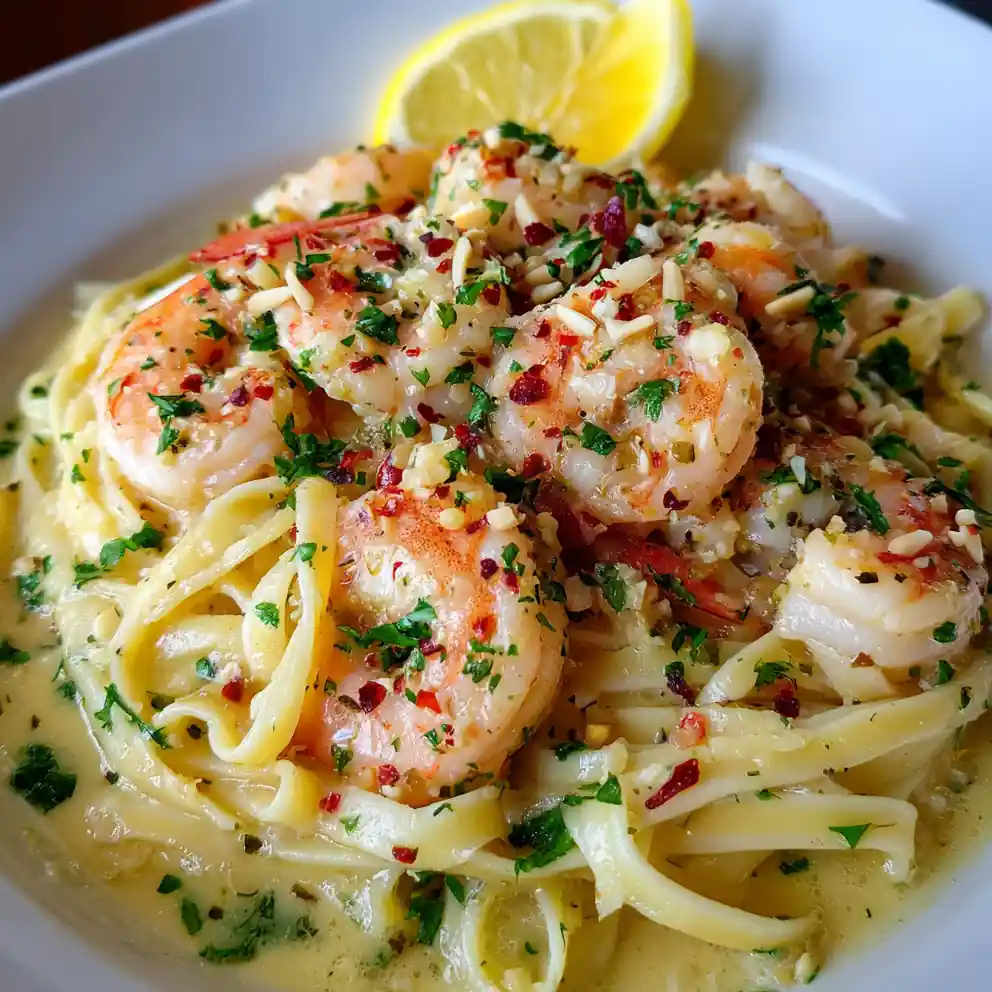
Looking for a weeknight dinner that feels a little bit fancy? Look no further than this Shrimp Piccata Pasta! This dish combines succulent shrimp with a vibrant lemon-butter sauce, tossed with perfectly cooked linguine. It’s a classic Italian-American recipe that’s surprisingly easy to make and bursting with flavor. The bright acidity of the lemon cuts through the richness of the butter, creating a balanced and incredibly satisfying meal. Get ready to impress your family and friends with this restaurant-quality pasta dish – all from the comfort of your own kitchen!
Ingredients You’ll Need
- 250g (8.8oz) Linguine: The foundation of our dish! Linguine’s slightly flattened shape is perfect for clinging to the luscious piccata sauce. Feel free to use whole-grain linguine for added fiber and a nutty flavor.
- 400g (14oz) Raw Shrimp, Peeled and Deveined, Tails On: The star of the show! We’re using raw shrimp, peeled and deveined for convenience. Leaving the tails on adds a beautiful presentation, but you can remove them if you prefer. Ensure your shrimp is fresh and smells clean – a slightly salty scent is normal.
- 2 Tbsp (30ml) Extra-Virgin Olive Oil: Essential for sautéing the shrimp and building the flavor base. Extra-virgin olive oil provides a fruity aroma and healthy fats.
- 2 Tbsp (28g) Unsalted Butter: The key to that rich, velvety piccata sauce. Using unsalted butter allows you to control the overall saltiness of the dish.
- 2 Cloves Garlic, Minced: Aromatic powerhouse! Freshly minced garlic provides a pungent and savory flavor.
- 1 Shallot, Finely Diced: Adds a subtle sweetness and complexity to the sauce. Shallots are milder than onions, making them perfect for delicate sauces like piccata.
- 60ml (1/4 cup) Low-Sodium Chicken Broth: Adds depth of flavor and helps to deglaze the pan, lifting up all those delicious browned bits. Low-sodium broth prevents the dish from becoming overly salty.
- 30ml (2 Tbsp) Freshly Squeezed Lemon Juice: The signature ingredient of piccata! Freshly squeezed lemon juice provides a bright, zesty acidity that balances the richness of the butter.
- 1 Tbsp (15ml) Capers, Rinsed and Drained: These little briny gems add a delightful salty pop to the sauce. Be sure to rinse them to remove excess salt.
- Zest of 1 Lemon: Adds a fragrant lift and enhances the lemon flavor. Use a microplane or fine grater to zest the lemon, avoiding the white pith underneath, which can be bitter.
- ½ tsp (2g) Sea Salt, Plus to Taste: Essential for seasoning and enhancing the flavors of all the ingredients. Sea salt provides a cleaner, more nuanced flavor than table salt.
- ¼ tsp (0.5g) Freshly Ground Black Pepper: Adds a subtle spice and depth of flavor. Freshly ground pepper is always best!
- 1 Tbsp (15ml) Chopped Flat-Leaf Parsley: A fresh, herbaceous garnish that adds color and brightness.
- 1 tsp (2g) Toasted Almond Slivers (Optional): Adds a delightful crunchy contrast to the soft pasta and shrimp. Toasting the almonds enhances their flavor.
- Pinch of Red-Pepper Flakes (Optional): Adds a subtle hint of heat and visual appeal.
Ingredient Substitutions
Don’t have everything on hand? Here are a few simple substitutions you can make:
- Linguine: Spaghetti, fettuccine, or even angel hair pasta can be used in place of linguine.
- Chicken Broth: Dry white wine (like Pinot Grigio or Sauvignon Blanc) makes an excellent substitute for chicken broth, adding a more complex flavor. Use the same amount.
- Shrimp: Chicken breast cut into bite-sized pieces can be used as a substitute for shrimp, though the cooking time will need to be adjusted.
Let’s Make Shrimp Piccata Pasta: A Step-by-Step Guide
- Cook the Linguine: Bring a large pot of generously salted water to a rolling boil. Add the linguine and cook according to package directions until al dente – usually around 9-10 minutes. ‘Al dente’ means ‘to the tooth’ in Italian, indicating the pasta should be firm to the bite. Don’t overcook it! Before draining, reserve about 1 cup (240ml) of the pasta water. This starchy water is liquid gold; it will help emulsify the sauce and create a beautiful, glossy coating. Drain the pasta and set aside.
- Prepare the Shrimp: While the pasta cooks, pat the shrimp completely dry with paper towels. This is crucial for achieving a good sear. Season both sides generously with sea salt and freshly ground black pepper. Don’t be shy with the seasoning – shrimp can handle it!
- Sear the Shrimp: Heat the olive oil in a wide skillet (a large sauté pan works well) over medium-high heat. You want the pan hot enough to get a good sear, but not so hot that the oil smokes. Add the shrimp in a single layer, ensuring they aren’t overcrowded. Cook for about 2 minutes per side, until they turn pink and are just opaque. Overcooked shrimp are rubbery, so watch them carefully. Transfer the cooked shrimp to a plate, cover loosely with foil, and keep warm.
- Sauté Aromatics: Reduce the heat to medium. Add the butter to the skillet. Once melted, add the finely diced shallot and minced garlic. Sauté for 1-2 minutes, stirring frequently, until softened and fragrant. Be careful not to brown the garlic, as it can become bitter.
- Build the Piccata Sauce: Add the capers (rinsed and drained to remove excess salt), lemon zest, freshly squeezed lemon juice, and chicken broth to the skillet. Use a wooden spoon to scrape up any browned bits from the bottom of the pan – these flavorful bits are called ‘fond’ and add depth to the sauce. Bring the sauce to a gentle simmer and cook for about 2 minutes, allowing the flavors to meld together.
- Combine and Emulsify: Return the shrimp to the skillet with the sauce. Add the cooked linguine. Gently toss everything together, adding the reserved pasta water, one tablespoon at a time, until the sauce coats the pasta in a silky sheen. The starch in the pasta water helps to emulsify the sauce, creating a creamy texture. Cook for another 1-2 minutes, adjusting the seasoning with extra salt or pepper if needed.
- Rest and Finish: Remove the skillet from the heat and let the pasta rest in the pan for 2 minutes. This allows the sauce to fully bind to the pasta. Stir in the chopped parsley. If desired, sprinkle with toasted almond slivers and a pinch of red-pepper flakes for added texture and a touch of heat.
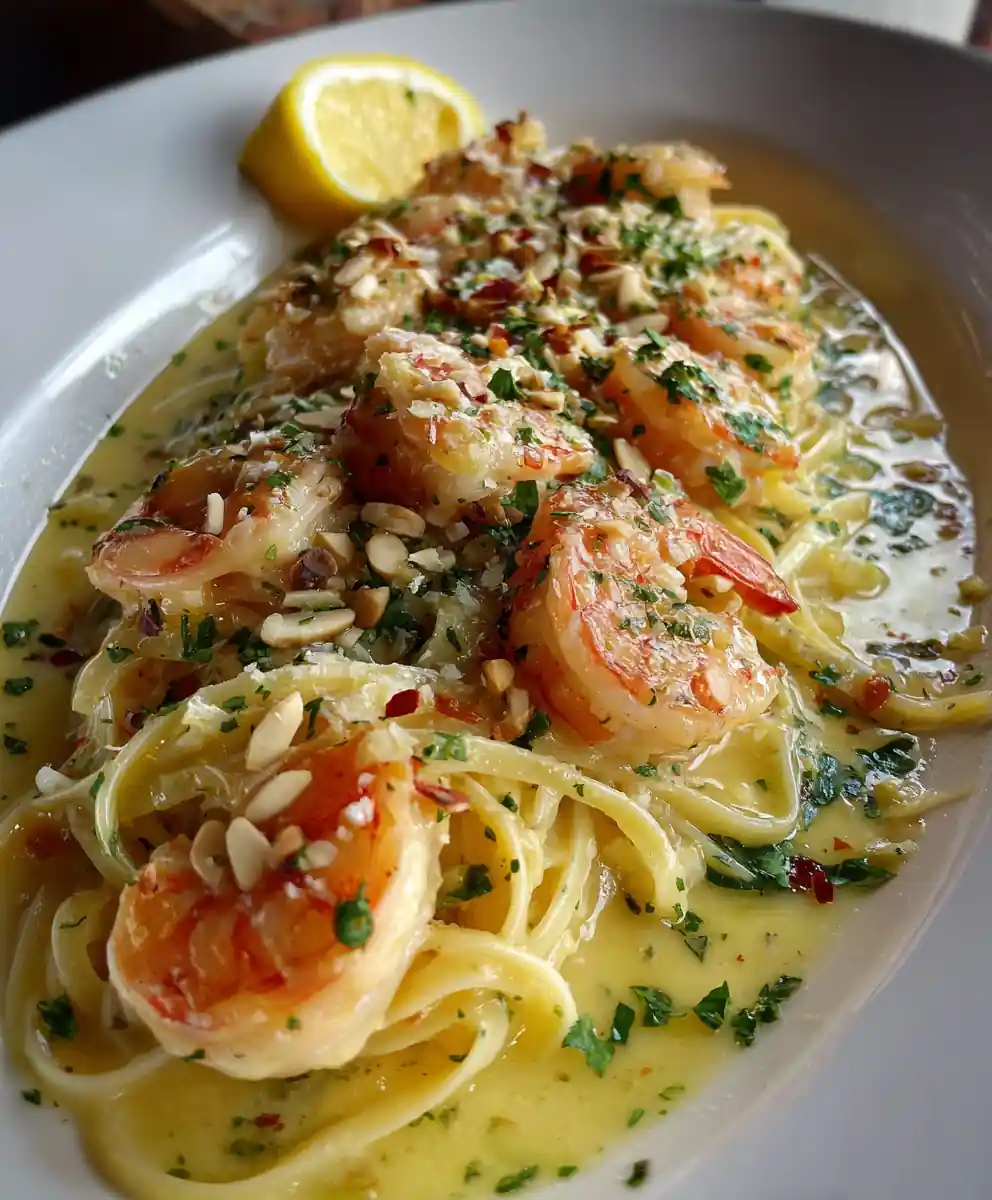
- Plate and Serve: Plate the Shrimp Piccata Pasta on shallow oval plates. Twirl a generous mound of pasta in the center, arrange the shrimp artfully on top, and drizzle any remaining lemon-butter sauce around the edges. Garnish with a sprinkle of parsley, almond slivers, and red-pepper flakes. A lemon wedge adds a pop of color and allows diners to add an extra squeeze of citrus.
Why Shrimp and Piccata are a Match Made in Heaven
The beauty of Shrimp Piccata lies in its simplicity and balance of flavors. The bright, acidic lemon sauce cuts through the richness of the butter and perfectly complements the delicate sweetness of the shrimp. Piccata traditionally uses veal, but shrimp offers a lighter, quicker-cooking alternative that doesn’t sacrifice any of the flavor. The capers provide a delightful briny counterpoint, while the parsley adds freshness. It’s a classic Italian-American dish that’s both elegant and comforting.
Selecting the Best Shrimp for Piccata
When choosing shrimp for this recipe, look for wild-caught shrimp if possible, as they tend to have a more robust flavor. Size matters too – medium to large shrimp (26/30 count per pound) work best, as they hold their shape well during cooking. Ensure the shrimp is properly deveined; you can easily do this yourself by making a shallow incision along the back of the shrimp and removing the dark vein. Patting the shrimp dry before searing is absolutely essential for achieving that beautiful golden-brown color and preventing them from steaming instead of searing.
Troubleshooting Common Piccata Problems
Sauce too thin? Continue simmering the sauce for a few more minutes to reduce it. You can also add a small slurry of cornstarch and water (1 teaspoon cornstarch mixed with 1 tablespoon cold water) to thicken it. Sauce too salty? Add a squeeze of lemon juice to balance the flavors. Shrimp overcooked? Unfortunately, there’s no fixing overcooked shrimp! Pay close attention to the cooking time and remove them from the heat as soon as they turn pink and opaque. Pasta sticking together? Be sure to use plenty of water when cooking the pasta and stir it frequently. Adding a tablespoon of olive oil to the cooking water can also help prevent sticking.
Variations and Additions
Feel free to customize this Shrimp Piccata Pasta to your liking! You can add a splash of white wine to the sauce along with the chicken broth for extra depth of flavor. Spinach or asparagus are excellent additions, adding a boost of nutrients and color. For a spicier kick, increase the amount of red-pepper flakes. And if you’re not a fan of capers, you can omit them altogether.
Frequently Asked Questions (FAQ)
- Can I use frozen shrimp? Yes, but be sure to thaw it completely and pat it very dry before cooking.
- Can I substitute the chicken broth? White wine is a great substitute, or you can use vegetable broth.
- How long does this dish keep? Leftovers can be stored in an airtight container in the refrigerator for up to 2 days, but the sauce may thicken upon standing.
Enjoy this delightful Shrimp Piccata Pasta! It’s a quick, easy, and flavorful meal that’s perfect for a weeknight dinner or a special occasion. Don’t forget to save this recipe to Pinterest for later!
Print
Shrimp Piccata Pasta
- Total Time: 30 minutes
- Yield: 4 servings 1x
- Diet: General
Description
Shrimp Piccata Pasta is a classic Italian-American dish featuring succulent shrimp in a vibrant lemon-butter sauce, tossed with linguine. It’s a surprisingly easy and flavorful meal perfect for a weeknight dinner.
Ingredients
- 250g (8.8oz) Linguine: The base of the dish, choose whole-grain for added fiber.
- 400g (14oz) Raw Shrimp, Peeled and Deveined: Ensure freshness and a clean scent.
- 2 Tbsp (30ml) Extra-Virgin Olive Oil: For sautéing shrimp and building flavor.
- 2 Tbsp (28g) Unsalted Butter: Key to a rich, velvety sauce.
- 2 Cloves Garlic, Minced: Aromatic and savory.
- 1 Shallot, Finely Diced: Adds subtle sweetness.
- 60ml (1/4 cup) Low-Sodium Chicken Broth: Adds depth and helps deglaze the pan.
- 30ml (2 Tbsp) Freshly Squeezed Lemon Juice: Signature ingredient for bright acidity.
- 1 Tbsp (15ml) Capers, Rinsed and Drained: Adds a salty pop.
- Zest of 1 Lemon: Enhances lemon flavor.
- ½ tsp (2g) Sea Salt: For seasoning.
- ¼ tsp (0.5g) Freshly Ground Black Pepper: Adds spice and depth.
- 1 Tbsp (15ml) Chopped Parsley: Fresh garnish.
- 1 tsp (2g) Toasted Almond Slivers (Optional): Adds crunch.
- Pinch of Red-Pepper Flakes (Optional): Adds heat.
Instructions
- Cook Pasta: Boil linguine until al dente, reserving 1 cup pasta water.
- Prepare Shrimp: Pat shrimp dry and season with salt and pepper.
- Sear Shrimp: Sauté shrimp in olive oil until pink and opaque.
- Sauté Aromatics: Sauté shallot and garlic in butter until fragrant.
- Build Sauce: Add capers, lemon zest, juice, and broth; simmer.
- Combine & Emulsify: Return shrimp to skillet, add pasta, and emulsify with pasta water.
- Rest & Finish: Remove from heat, rest, stir in parsley, and add optional toppings.
- Plate & Serve: Plate pasta, arrange shrimp, and drizzle with sauce.
Notes
Reserving pasta water is crucial for creating a creamy, emulsified sauce. Patting the shrimp dry ensures a good sear. Adjust seasoning to taste.
- Prep Time: 10 minutes
- Cook Time: 20 minutes
- Category: Pasta
- Method: Sauté
- Cuisine: Italian-American
Nutrition
- Serving Size: 1 cup
- Calories: 450 kcal
- Sugar: 5 g
- Sodium: 500 mg
- Fat: 20 g
- Saturated Fat: 8 g
- Unsaturated Fat: 10 g
- Trans Fat: 0 g
- Carbohydrates: 50 g
- Fiber: 3 g
- Protein: 30 g
- Cholesterol: 200 mg